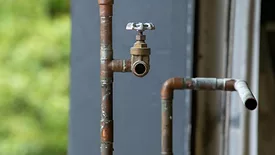
The EPA’s latest update is a step toward making information more accessible. As lead exposure continues to affect homes, schools, andcommunities, clearer guidance could help people take action sooner.
Data centers are often backed by large investments and long-term energy
agreements, and in some cases, companies have already secured water and
power rights years in advance.
The updated plan reflects a broader shift in how water is managed across
the country - less as a one-time-use resource, and more as something
that can be treated, reused, and reintegrated into the system.
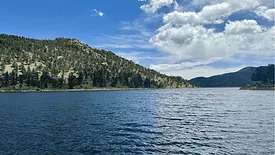
Denver Water last drained Antero Reservoir during a drought in 2002. The reservoir was also emptied in 2015 to allow for dam rehabilitation work. Officials say refilling timelines will depend on future drought conditions.
PFAS contamination isn’t a future problem—it’s already affecting thousands of water systems. The challenge is that fixing it can take years and significant investment.
The U.S. Environmental Protection Agency is opening a new round of funding aimed at one of the most persistent challenges in the country’s water sector:
The initiative also reflects growing public concern about what’s in drinking water. By elevating microplastics and pharmaceuticals to priority status, federal agencies are responding to calls for more transparency and stronger oversight of emerging contaminants.
Warmest winter on record and rapidly melting snow leave statewide snowpack at just 38% of average, threatening water supplies, agriculture, and wildfire conditions
Today's drilling challenges demand smarter solutions. Discover how real operator feedback is driving breakthrough innovations in multi-application rigs, digital integration, and training-friendly designs that boost productivity and profitability.

 RSS
RSS