
Denver Water to Drain Antero Reservoir as Drought Intensifies
The utility serves about 1.5 million people across the Denver metro area
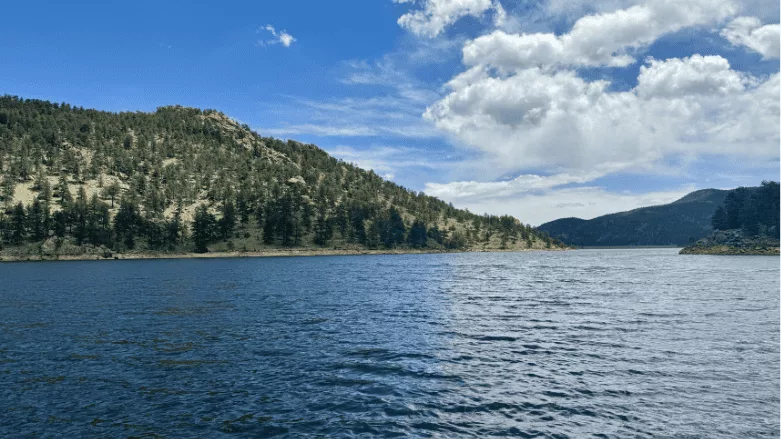
Denver Water plans to drain Antero Reservoir this summer, shifting water downstream in an effort to limit evaporation losses during an ongoing, record-setting drought.
The utility, which serves about 1.5 million people across the Denver metro area, announced Monday that water from the Park County reservoir will be moved to Cheesman Reservoir, located southwest of Deckers. Officials say the move could save roughly 5,000 acre-feet of water—an amount that typically supplies three to four households per acre-foot annually.
Antero Reservoir, which sits along the Middle Fork of the South Platte River south of Fairplay, has one of the highest evaporation rates in Denver Water’s system. By consolidating water into Cheesman, the agency says it can better preserve supply during dry conditions.
“Antero is a drought reservoir, designed to provide water to our customers during a severe drought,” said Nathan Elder, Denver Water’s manager of water supply, in a statement. “Consolidating this water into Cheesman will help us make the most of the water we have.”
The reservoir was about 88% full as of Monday and can hold more than 20,000 acre-feet at capacity. Denver Water has not specified when the draining will begin.
The decision comes as broader drought response measures are already taking shape. Earlier this month, the Denver Board of Water Commissioners approved temporary drought pricing aimed at reducing outdoor water use. The pricing adds charges to higher tiers of residential use while exempting essential indoor consumption, signaling what officials describe as the “premium value” of water during drought conditions and encouraging conservation across the system .
Recreation at Antero will close through the end of the year, including camping—an impact that will be felt by anglers and visitors who frequent the area year-round. The reservoir is widely known as a fishing destination, and officials say they will work with Colorado Parks and Wildlife to minimize fish losses during the process.
For some, the closure hits a bit closer to home.
I spent time at Antero Reservoir in 2023, camping at a free site near the water. It’s the kind of place where you wake up to wind rolling across the surface, watch anglers already casting lines before sunrise, and feel completely removed from everything else. No frills - just water, weather, and wide-open space.
That experience underscores what’s at stake beyond water management numbers. While the move is rooted in conservation, it temporarily takes a well-used outdoor space off the map for the people who rely on it for recreation, quiet, and routine.
Denver Water last drained Antero Reservoir during a drought in 2002. The reservoir was also emptied in 2015 to allow for dam rehabilitation work. Officials say refilling timelines will depend on future drought conditions.
Looking for a reprint of this article?
From high-res PDFs to custom plaques, order your copy today!

John Oldani is an editor, journalist, and reporter with over a decade of experience producing clear, engaging, and well-researched content. He holds a Bachelor of Arts in Journalism from Oakland University, with a focus on financial reporting, editing, and long-form writing. Over the past year, John has specialized in covering the drilling industry, reporting on key developments, policy shifts, and impactful stories shaping the field.
email: johnnyoldaniwords@gmail.com | office: (248) 838-8535

.webp?height=200&t=1779937816&width=200 "Screenshot 2026-05-27 at 11.06.05 PM (2).png")