The silent safety hazard? Neglecting the mental health of our drilling and construction workforce
The idea of leave the drama at home and get back to work is the standard. But how's that working out for today's tradesmen?
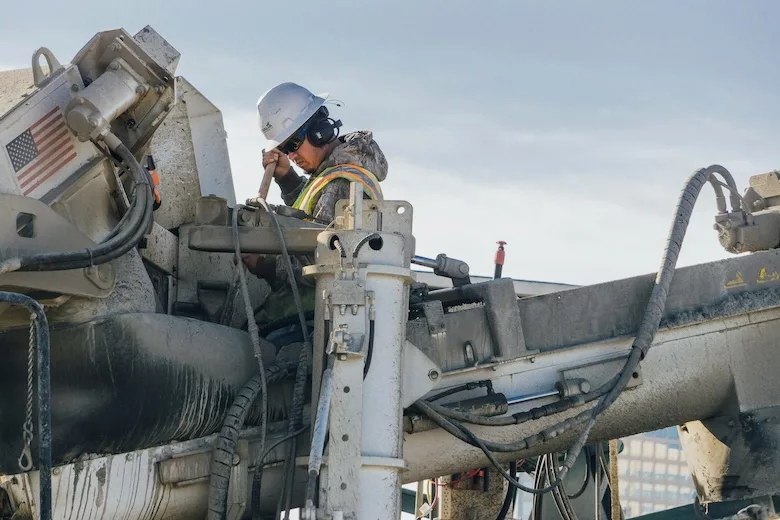
The drilling and construction industry is built on grit. For multiple generations, the prevailing wisdom on the job site has been to rub dirt in it, don't worry about it, keep that drama at home, and do your job. But as construction professionals working on small to massive projects with all levels of hazards, how has that worked out for us?
The construction workforce is roughly 5.1% of the 162.7 million Americans who work every day in the United States. That breaks down to one in 19 American workers building and supporting our infrastructure that supports 95% of the rest of the country.
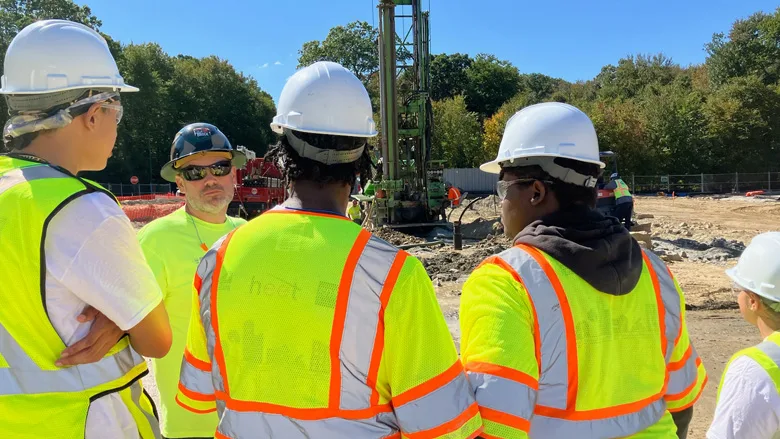
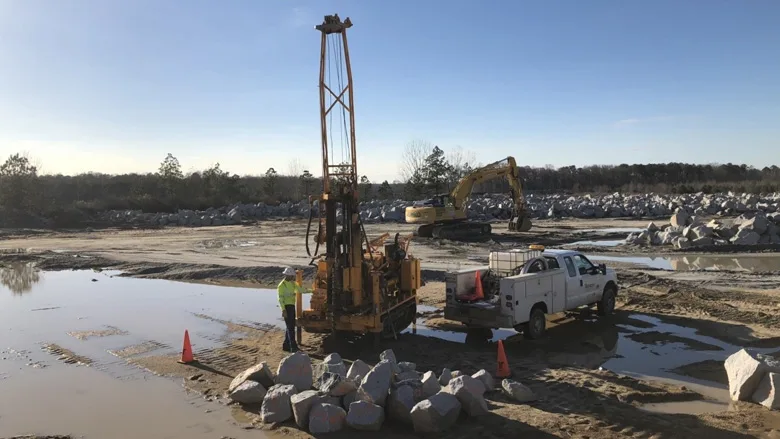
Whether they are drilling boreholes for community-scale thermal energy networks right in the middle of bustling cities or laying the groundwork for generational transit expansions, these crews are performing high-stakes work in crowded environments. Yet, despite being surrounded by millions of people in major metropolitan areas, tradespeople are experiencing a profound epidemic of isolation.
This is isolation in plain sight, and it is quietly deteriorating the mental health of our workforce. We have the highest expectations for performance and comprehensive programs that address all major project risks. It is time that depression and mental fatigue are treated as a critical performance and safety hazard.
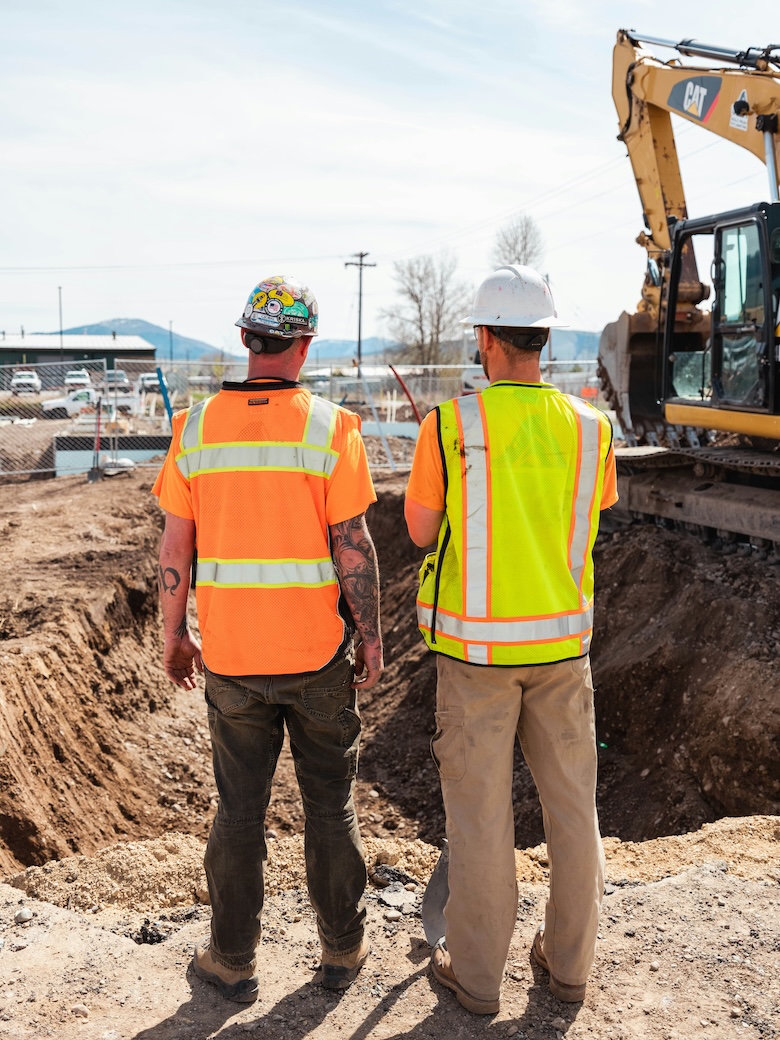
Root Cause Analysis for mental health
In my career working on major drilling projects, I used Root Cause Analysis (RCA) to investigate failures. From a rig failure to a tool falling downhole, the immediate response was to do an RCA. We investigated the underlying mechanisms of the failure to prevent it from occurring again. I believe it is time to apply that same investigative rigor to the mental health and well-being of our crews.
For the traveling construction workers, depression and severe anxiety rarely appear out of nowhere. The root causes are systemic, tied directly to the unique demands of life on the road. At home, a worker has a community. They have a local gym, a church, a favorite diner, or their kids' weekend sports games.
For individuals who work within their communities, it is hard to realize that these places and activities are where people decompress and ground themselves. On the road, those critical decompression zones vanish. The worker's entire existence shrinks to the job site, hotel room, or RV park. They are physically in a vibrant city yet entirely disconnected from it.
"A distracted worker is a dangerous worker, and an individual's or a crew's mental fatigue puts everyone on the site at risk."
The question arises, "Why would people choose to travel over staying local?" The reality is that construction travel often pays better than working locally. However, the brutal irony is that individuals building multi-billion-dollar infrastructure projects are often crushed by financial anxiety. Traveling workers carry the overhead of two lives. They are paying for life in a community while simultaneously not being home to enjoy it.
Furthermore, to send more money home, many workers will gamble with their per diem by sleeping in their trucks or surviving on terrible diets to maximize their decompression time at home.
- More on the subject: PPE is not just physical, it's also needs to be protection for the mental health of our workforce too
Compound no decompression time with pressure to meet tight deadlines to prevent project penalties and profitability. That pressure always flows downhill to the boots on the ground. Crews are subjected to long workweeks with little to no downtime, working six or seven days a week with less than six hours of sleep each day. Chronic sleep deprivation fundamentally alters brain chemistry, stripping away emotional resilience and opening the door to clinical depression.
Consider the focus required for a driller to maintain site safety and to remain attuned to the changing subsurface. A congested project with multiple trades operating simultaneously requires 100% situational awareness. If that driller's mind is 500 miles away reflecting over a failing marriage, mounting debt, or the looming threat of extreme weather delaying project timelines or days off, their cognitive function is compromised.
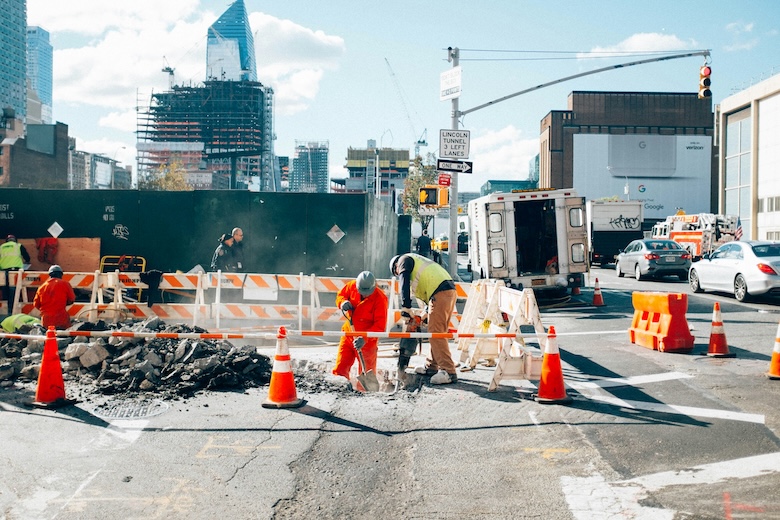
Their reaction times slow down, they develop tunnel vision, and their ability to spot hazards plummets. A distracted worker is a dangerous worker, and an individual's or a crew's mental fatigue puts everyone on the site at risk.
We are drillers and builders. We troubleshoot complex geological formations, navigate massive steel structures, and engineer solutions to impossible physical problems. It is time we applied that same fierce dedication to taking care of our own.
Over 5,000 construction workers took their own lives last year, which is 56 out of every 100,000 construction workers in the United States. The mission of every successful job completion is to be safe, on time, and on budget. Many developers and general contractors have told me that matters most.
I believe the men, women, and individuals completing the work matter more.
You matter more.
Editor's note: The 988 suicide and crisis prevention hotline is completely free, confidential, and available 24/7. You do not have to be actively suicidal to call; it is your near-miss reporting lifeline for any emotional distress crisis. You will be connected to trained counselors who understand how to de-escalate a crisis.
Looking for a reprint of this article?
From high-res PDFs to custom plaques, order your copy today!

Brock Yordy, Director of Industry Engagement for The Driller, is a third-generation driller and globally recognized subject matter expert who has written for The Driller since 2013. Driven by a passion for industry education and digital media, he anchors The Driller Newscast and hosts weekly podcasts for the trade. His technical authority is backed by decades of extreme fieldwork worldwide for organizations like Halliburton, SUEZ, and the U.S. Government. Dedicated to ensuring clean water for all and advancing equitable geothermal heating and cooling, Brock actively collaborates with states nationwide through The Developed Well Group and the Geothermal Drillers Association to shape policy, safety, and workforce training.
email: brock@thedriller.com | office: (269) 348-5156