New Lead Website Expands Public Education Push on Exposure Risks
It aims to focus on awareness and access
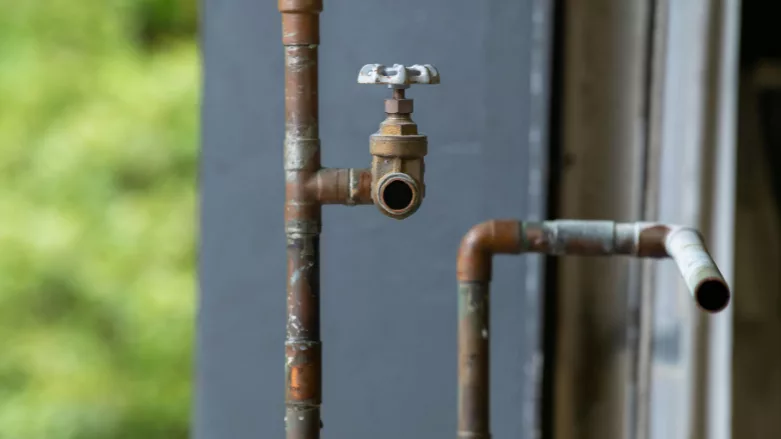
Image via Alex Khoury from Pexels
The U.S. Environmental Protection Agency is rolling out a new set of public education tools aimed at reducing lead exposure, including a redesigned website and an interactive StoryMap focused on children’s health.
The updated platform, available at epa.gov/lead, is designed to serve as a central hub for information on lead risks and prevention. EPA officials say the goal is simple. Make it easier for parents, contractors, health professionals, and the public to quickly find clear guidance on how to identify and limit exposure.
Lead is not a new problem, but it has not gone away. It can still be found in older paint, contaminated dust, drinking water infrastructure, soil, and even air in certain industrial settings. Children are especially vulnerable, with exposure linked to developmental and neurological impacts.
There is also a key reality that continues to shape policy. There is no known safe level of lead exposure in children. Even small amounts can have measurable health effects, which is why prevention remains a priority across agencies .
“Public education and actionable risk communication are key tenets to further reducing lead exposures, especially for children,” said David Fotouhi in a statement. He described the new tools as part of a broader push to improve transparency and expand access to information.
At a practical level, the redesigned site is meant to be easier to use. It pulls together a wide range of EPA resources into one place. Users can find guidance on identifying lead hazards, steps for remediation, and information tailored to homeowners, renters, and construction professionals.
The StoryMap adds a more visual element. It walks users through how lead exposure happens and why it is still a concern today. The focus stays on children’s health, with an effort to make technical information easier to understand.
One of the most common exposure pathways is still drinking water. Lead can enter water through corrosion in aging pipes and plumbing fixtures. In many homes, lead service lines remain the primary source when contamination is present .
The launch is part of a broader federal push to reduce lead exposure. That includes coordination across agencies and continued investment in infrastructure and cleanup efforts. The EPA says the updated website reflects a larger effort to improve communication while tracking progress.
Recent actions tied to that effort include billions of dollars in funding aimed at reducing lead in drinking water systems. Some of that funding is directed to states, while additional support is going toward schools and child care facilities, where aging infrastructure can increase risk.
The agency has also introduced new approaches to cleaning up contaminated soil at residential properties, especially at Superfund sites. Officials say these changes are meant to speed up cleanup timelines and improve long-term outcomes.
Other updates include revised educational materials, such as the “Protect Your Family from Lead in Your Home” pamphlet. This document is required in housing transactions for properties built before 1978. The latest version reflects updated standards and includes expanded language options.
The EPA has also proposed updates for industries that handle lead-bearing materials, including facilities that recycle lead-acid batteries. These efforts are aimed at reducing emissions and limiting how lead enters the environment.
Taken together, the agency’s actions show that lead is still very much on the radar. It is a legacy issue, but it is also an ongoing one.
At the same time, making information easier to find is only one part of the solution. Lead exposure is often tied to older infrastructure, housing conditions, and environmental factors that take time and money to address. For many communities, especially those with older homes, the path to full remediation is not simple.
There is also another side to the conversation. While expanded guidance and stricter standards aim to protect public health, they can also place added pressure on utilities, contractors, and property owners who are responsible for upgrades and compliance. Replacing lead service lines and updating infrastructure can be expensive and time-consuming, especially for smaller communities with limited budgets.
Even so, the EPA’s latest update is a step toward making information more accessible. As lead exposure continues to affect homes, schools, and communities, clearer guidance could help people take action sooner.
The agency says these tools are part of a long-term strategy to reduce exposure nationwide. The impact will depend on how widely they are used, but the message is clear. Lead may be an old problem, but it is not a solved one.
Looking for a reprint of this article?
From high-res PDFs to custom plaques, order your copy today!