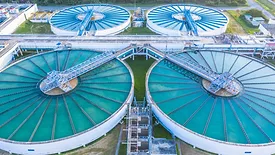
In a region where every drop counts, Global Water’s results offer a real-world look at how utilities are adapting to growth, scarcity, and the push for smarter water management — all at once.
The water technology company is expanding into an underserved market with localized service, rapid fulfillment, and point-of-use systems designed to tackle pathogens and contaminants at the tap.
Behind every burger, fried chicken order, and delivery truck rolling out of its commissaries is now a power system largely fueled by heat from beneath the earth.
The agency highlights nearly $1 billion in funding, expanded testing, and Superfund enforcement, while critics argue the response to “forever chemicals” still falls short of the scale of contamination.
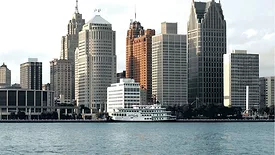
As Detroit continues its uneven but steady redevelopment, investments like this aim to ensure that the people living near long-neglected properties are not just bystanders to change, but participants in it.

 RSS
RSS