
Crackdown on Microplastics in Drinking Water
New initiative adds microplastics to EPA watchlist
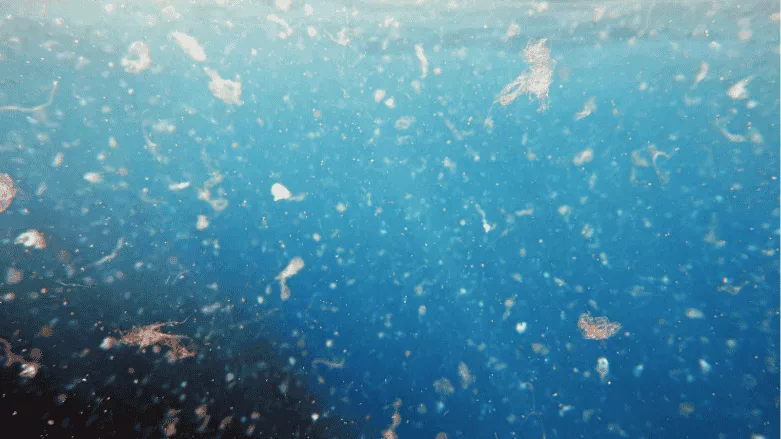
Image via Tunatura from Getty Images Pro
The federal government is taking a step yet to address microplastics in drinking water, with a coordinated push from the U.S. Environmental Protection Agency (EPA) and the Department of Health and Human Services (HHS).
The initiative combines regulatory groundwork with cutting-edge research, signaling a shift toward treating microplastics as a serious and emerging public health concern.
At the center of the effort is the EPA’s decision to include microplastics—for the first time—on its draft Sixth Contaminant Candidate List (CCL 6). The list identifies substances that may require future regulation under the Safe Drinking Water Act and helps guide federal research and funding priorities.
Microplastics aren’t the only new addition. Pharmaceuticals are also being included as a group for the first time, alongside other known or suspected contaminants such as PFAS, disinfection byproducts, and dozens of individual chemicals and microbes that may be present in public water systems.
While inclusion on the list doesn’t automatically trigger regulation, it’s a key early step. It signals that federal agencies are prioritizing these substances for further study—and potentially setting the stage for future limits in drinking water.
Alongside that regulatory move, HHS is launching a major research initiative aimed at understanding how microplastics affect the human body—and what can be done about it.
The program, led by the Advanced Research Projects Agency for Health (ARPA-H), is called STOMP, short for Systematic Targeting of Microplastics. It’s designed as a nationwide effort to build tools for detecting, studying, and ultimately removing microplastics and nanoplastics from human tissue.
The approach is structured in three phases: measuring how much plastic is present in water and the body, identifying which particles pose the greatest risk and how they move through biological systems, and developing methods to eliminate them.
Together, the EPA and HHS efforts represent a more comprehensive federal response than has previously existed. Microplastics—tiny fragments shed from larger plastic products—have been found in water supplies and, increasingly, in human tissue, though many of their health effects remain unclear.
The initiative also reflects growing public concern about what’s in drinking water. By elevating microplastics and pharmaceuticals to priority status, federal agencies are responding to calls for more transparency and stronger oversight of emerging contaminants.
Still, the process is just beginning. The draft contaminant list is open for public comment, and additional research will be needed before any regulatory standards are set.
For now, the announcement marks a notable shift: microplastics are no longer just a topic of scientific debate—they are now firmly on the federal policy agenda. However, critics argue that this is not enough and just a blip on the radar.
Looking for a reprint of this article?
From high-res PDFs to custom plaques, order your copy today!