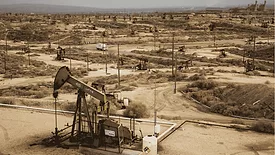
The BLM has revived its effort to open more of California’s public lands to oil extraction. But its strategy has changed little since the agency’s earlier attempt in 2019 and drillers may not be interested.
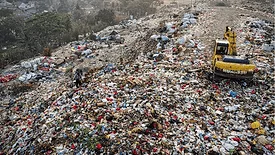
The agency says funds can be used to establish or improve collection systems, invest in infrastructure and technology, support markets for recycled commodities, and increase the diversion and quality of materials collected in municipal solid waste systems.
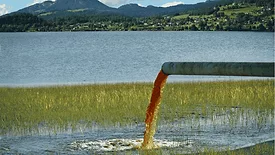
Critics of enforcement settlements like this often focus on two things: whether the penalty is large enough to deter future violations, and whether compliance claims are verified over time.
Ahead of the curve when it comes to testing city water for PFAS, Michigan has met its match with the state’s over one million private wells, urging residents to get their water tested.

 RSS
RSS