EPA Rolls Out $30 Million Initiative to Support Small and Rural Water Systems
New funding targets technical assistance, workforce challenges, and aging infrastructure across thousands of small U.S. communities
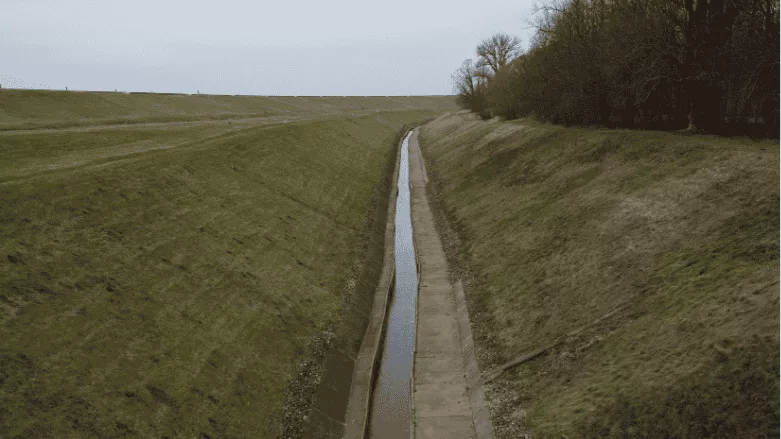
Image via volcjoks from Getty Images
The U.S. Environmental Protection Agency is opening a new round of funding aimed at one of the most persistent challenges in the country’s water sector: helping small and rural systems keep up with the demands of safe, reliable service.
On April 13th, the agency announced $30 million in available grant funding through its Real Water Technical Assistance initiative, known as RealWaterTA. The program is designed to deliver hands-on support to small drinking water and wastewater systems, as well as private well owners, many of whom operate with limited staff, tight budgets, and aging infrastructure.
Rather than focusing on large-scale construction projects, this funding is geared toward something more practical and immediate: expertise. That includes engineering and system design support, day-to-day operational guidance, workforce training, and financial management assistance. The goal is to connect smaller systems with the kind of resources that are often readily available to larger utilities but harder to access in rural areas.
The need is significant. Across the United States, more than 90% of drinking water systems serve fewer than 10,000 people. Many of these systems are located in rural communities, where maintaining compliance with federal standards can be especially challenging. Limited staffing, high operator turnover, and shrinking local budgets can make even routine system upkeep difficult, let alone long-term upgrades.
EPA officials say the RealWaterTA initiative is meant to bridge that gap by pairing local systems with organizations that can provide direct, on-the-ground assistance. These partnerships are expected to help communities identify problems, develop solutions, and implement changes that improve water quality and system reliability.
The funding will be distributed through competitive grants, with eligibility open to nonprofit organizations, nonprofit private colleges and universities, and public institutions of higher education. EPA anticipates awarding up to five grants, totaling approximately $30.7 million in federal funding.
Each grant recipient will be tasked with delivering training and technical assistance across several key areas. For drinking water systems, that includes helping operators achieve and maintain compliance with the Safe Drinking Water Act, as well as improving managerial and financial practices that support long-term sustainability. Wastewater systems, including those that rely on decentralized or onsite solutions, will also receive support aimed at strengthening local water resources.
Private well owners, who are not regulated under the same framework as public systems, are another focus of the initiative. Assistance in this area is expected to center on improving drinking water quality through better testing, maintenance, and system management practices.
The RealWaterTA program reflects a broader shift in how federal agencies approach infrastructure challenges in smaller communities. While large funding packages often focus on capital projects like treatment plant upgrades or pipeline replacements, technical assistance programs emphasize capacity-building—helping communities develop the knowledge and systems needed to manage their infrastructure effectively over time.
EPA says the application window for this funding opportunity is open for 30 days through Grants.gov, giving eligible organizations a limited timeframe to submit proposals. Selected recipients will then begin working directly with communities across the country.
For many small systems, this kind of support can be the difference between reactive maintenance and proactive management. And in a sector where even minor failures can have wide-reaching public health impacts, that distinction matters.
Why this matters
Small and rural water systems don’t usually make headlines, but they serve millions of people—and they’re often the most vulnerable. When these systems struggle, the risks can include service disruptions, compliance violations, or degraded water quality.
This funding doesn’t replace the need for major infrastructure investment, but it addresses a critical piece of the puzzle: giving smaller systems the expertise and support they need to operate effectively. In practical terms, that can mean fewer breakdowns, better compliance with federal standards, and safer drinking water for communities that might otherwise be overlooked.
Looking for a reprint of this article?
From high-res PDFs to custom plaques, order your copy today!

John Oldani is an editor, journalist, and reporter with over a decade of experience producing clear, engaging, and well-researched content. He holds a Bachelor of Arts in Journalism from Oakland University, with a focus on financial reporting, editing, and long-form writing. Over the past year, John has specialized in covering the drilling industry, reporting on key developments, policy shifts, and impactful stories shaping the field.
email: johnnyoldaniwords@gmail.com | office: (248) 838-8535