Three Bits
Three bits: The State of Things, Class is in Session for Geothermal, and More
A daily look at the news that's affecting the industry and the people involved in all of it, brought to you by the Driller
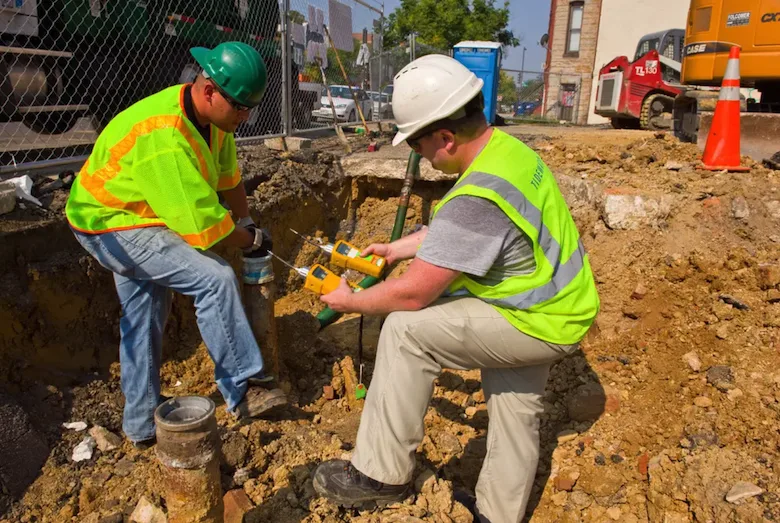
Each day, the Driller is will take a daily look at the news that's affecting the industry and the people involved in all of it. From geothermal to water to the latest in equipment and the innovation that powers it. As we we turn the page to a new month, here's a look back at a few stories around the drilling industry that'd be good to know before you go.
'Precision, stability, and sustainability'
The drilling industry has become the quiet giant of the global economy. The $1.2 trillion Infrastructure Investment and Jobs Act in North America has created massive, sustained demand for foundation drilling, with $110 billion dedicated to roads and bridges, fueling a surge in work for rotary rigs and hydraulic pile drivers. At the same time, the geothermal energy market has reached valuations of up to $74.4 billion, transforming local drillers into utility-scale geothermal contractors. Our latest look at the industry shows where it stands and where it’s headed.
Berkeley County schools go geothermal
The heating and cooling equipment at 10 schools within the Berkeley County School District in West Virginia were in dire need of an upgrade. Weighing a $23.4 million capital project against decades of operating costs, maintenance demands and other factors, the district ultimately chose closed-loop geothermal heat pump systems that according to a U.S. Department of Energy case study, energy use by 75% and reduced annual energy and maintenance costs by a reported $772,000. Here’s more on how Berkeley got it done in time for the school season.
Checking in on public water
The Environmental Protection Agency recently released a new checklist designed to help states identify problems in public drinking water systems before they turn into larger concerns and to curb what the agency called “systemic issues.” What are those issues? They include everything from water sources approaching capacity, malfunctioning treatment equipment and frequent water main breaks. The goal? equipment failures, service interruptions or public health concerns if left unresolved. Here’s more on the plan, and what’s on the new list.
Keeping contractors safe(r)
While industrial and construction work sites rely highly on contractors to deliver specialized on-site services, global safety statistics consistently show that contractor workmen are injured more frequently than permanent work force. This disparity is not simply a matter of skill or competence. It reflects deeper differences in induction, supervision, communication, reporting behavior, and integration into organizational safety culture. Here’s a look at what’s being done to keep workers of all types safe.
Want More Geothermal Insights?
Explore the inaugural Ground2Grid Thermal Energy Summit, launching in 2027, and connect with the ideas shaping the future of geothermal energy. Learn more.
Looking for a reprint of this article?
From high-res PDFs to custom plaques, order your copy today!