Safety News
The Differences in Safety Culture Between Employees and Contractors
Global safety statistics show that contracted workers are injured more frequently than permanent work force. The disparity has nothing to do with skill or competence
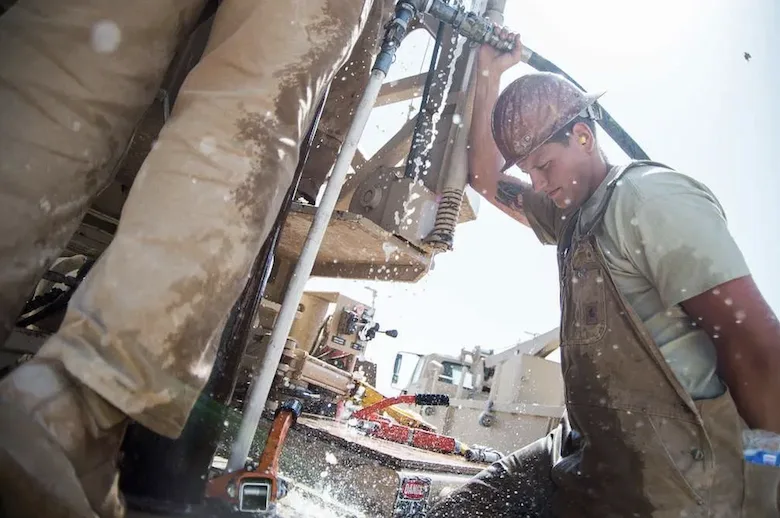
Industrial workplaces and construction work sites rely highly on contractors to deliver specialized on-site and shop floor services, manage tight workloads, and provide flexibility.
Yet, global safety statistics consistently show that contractor workmen are injured more frequently than permanent work force. This disparity is not simply a matter of skill or competence. It reflects deeper differences in induction, supervision, communication, reporting behavior, and integration into organizational safety culture.
Recognizing these distinctions is essential for safety leaders seeking to minimize incidents and build a cohesive safety culture across a diverse workforce.
The Contractor Safety Paradox
Contractors often bring technical expertise and adaptability, but they face unique challenges:
Short-term engagement reduces exposure to organizational safety systems: Temporary, or contract workers usually spend less time within the worksite or plant, meaning they don’t fully absorb the organization’s established safety culture, procedures, or safety systems. They may not undergo the same level of training or reinforcement that permanent staff receive, leaving them less familiar with critical safeguards like emergency response protocols, reporting structures, or hazard control measures.
Limited induction leaves gaps in risk awareness: Induction programs are often shortened for contract workmen focusing only on immediate tasks rather than comprehensive hazard and risk assessment awareness. This can result in blind spots such as workers who may not recognize site-specific risks (e.g., confined spaces, chemical hazards, or equipment-specific dangers) because they weren’t fully briefed. The lack of thorough onboarding increases the likelihood of unsafe practices during work.
Weaker integration into reporting and communication channels creates blind spots: Contract workers may not be fully integrated into the client company’s communication networks such as safety committees, toolbox talks, or digital reporting systems. As a result, they might hesitate to report near-misses, unsafe conditions, or incidents. This weak link in communication creates blind spots for management, who may not receive a complete picture of workplace risks such as safety committees, toolbox talks, or digital reporting systems. As a result, they might hesitate to report near-misses, unsafe conditions, or incidents. This weak link in communication creates blind spots for management, who may not receive a complete picture of workplace risks.
According to OSHA and EU-OSHA data, contractors in construction and heavy industry consistently show higher injury rates than employees, particularly in high-risk tasks such as confined space entry, hot work, and heavy equipment operation.
This story first appeared at Industrial Safety and Hygiene News. Read the complete version here.
Looking for a reprint of this article?
From high-res PDFs to custom plaques, order your copy today!