EPA Turns Attention to Rural Water Challenges in Western Kansas
Rural water systems rarely make national headlines, but they play a critical role in keeping communities healthy and local economies running.
Key Takeaways
- EPA’s Kansas roundtable addressed federal funding, workforce shortages and infrastructure challenges facing rural drinking water and wastewater systems.
- EPA’s RealWaterTA program helps small water systems improve compliance, infrastructure planning and access to technical assistance.
- Rural water utilities face aging infrastructure, declining groundwater supplies and growing demand for qualified water and wastewater professionals.
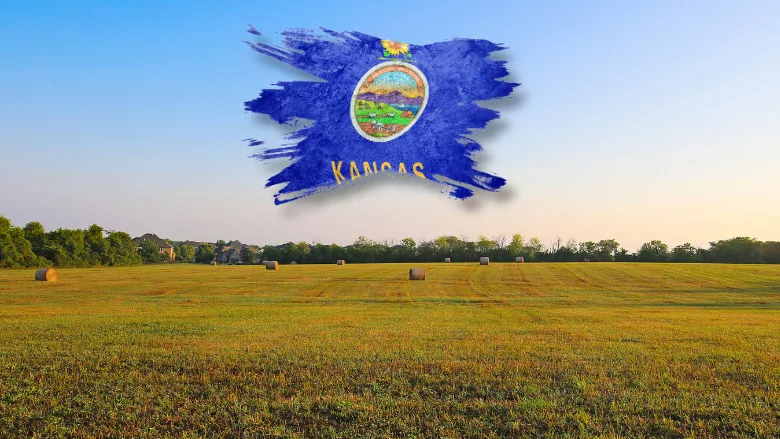
Water systems were the focus of a recent U.S. Environmental Protection Agency roundtable in western Kansas, where federal officials, city leaders and water professionals gathered to discuss the challenges facing small drinking water and wastewater systems.
Held in Hays, Kansas, the meeting brought together EPA Region 7 Administrator Jim Macy, leaders from Hays and Russell, water project managers and other local stakeholders. The conversation centered on federal funding opportunities, workforce development and the day-to-day issues affecting rural water utilities.
While those topics may sound familiar, they come at a time when many small communities across Kansas and the rest of the country are dealing with aging infrastructure, shrinking workforces and increasing pressure on water supplies.
Access to clean, reliable drinking water is something many Americans take for granted. In rural communities, however, providing that service is often far more complicated than simply turning on a faucet.
Many small water systems serve only a few hundred or a few thousand residents. Unlike larger metropolitan utilities, they have a much smaller customer base to help pay for infrastructure improvements. Replacing aging water mains, upgrading treatment equipment or modernizing wastewater facilities can cost millions of dollars, leaving many communities dependent on state and federal grants or low-interest loans.
That financial challenge is especially significant in western Kansas, where water availability has become a growing concern.
Much of the region relies on groundwater from the Ogallala Aquifer, one of the largest underground freshwater reserves in the world. The aquifer has supported agriculture, industry and rural communities for generations, but decades of heavy pumping have caused groundwater levels to decline significantly in many parts of the High Plains. Some areas of western Kansas have experienced substantial drops in water levels over the past several decades, forcing communities and farmers to think carefully about long-term water management.
For rural municipalities, protecting existing water supplies while preparing for future shortages has become an increasingly important balancing act.
EPA officials used the roundtable to discuss resources available to help communities navigate those challenges.
One initiative highlighted during the meeting was RealWaterTA, a technical assistance program launched by EPA's Office of Water in 2026. The program is designed to help drinking water and wastewater systems improve compliance with the Safe Drinking Water Act and Clean Water Act while ensuring technical assistance providers deliver measurable results.
Technical assistance may not grab headlines, but for small utilities with limited staff, having access to engineering expertise, financial planning guidance and regulatory support can make the difference between staying ahead of problems and falling behind.
Many rural systems simply do not have full-time engineers or specialists on staff. Operators often wear multiple hats, handling everything from water treatment and distribution to equipment maintenance, customer service and emergency response. Outside expertise can help communities identify infrastructure priorities, pursue grant funding and develop long-term improvement plans.
Another major topic discussed during the roundtable was the growing shortage of qualified water professionals.
Across the United States, utilities are preparing for a wave of retirements among experienced operators, treatment specialists and maintenance personnel. Replacing those workers has become increasingly difficult, particularly in rural communities where attracting new employees can be challenging.
Water and wastewater careers require specialized training, state certifications and ongoing education. They also offer stable employment and the opportunity to work in a field directly tied to public health and environmental protection. Despite those benefits, many young people simply are not aware of the career opportunities available in the water sector.
To help address that gap, EPA is refreshing its Water Workforce Initiative, an effort aimed at strengthening recruitment and coordinating workforce resources across government, educational institutions and industry.
Kansas already has experience building that pipeline.
Through EPA's Innovative Water Workforce Development Grant Program, Wichita State University received grants in both 2021 and 2024 to support its Future Water Leaders Program. The initiative introduces K-12 students to water-related careers while also providing educational opportunities for students interested in pursuing careers in drinking water, wastewater and environmental protection.
Programs like these are becoming increasingly important as utilities compete for skilled workers in an already tight labor market.
Reliable staffing is about much more than filling open positions. Certified operators are responsible for ensuring drinking water meets health standards, wastewater is treated properly and critical infrastructure continues operating during emergencies. Without enough trained personnel, even well-funded utilities can struggle to maintain consistent service.
The roundtable also reinforced the importance of communication between federal agencies and local communities.
Every rural water system faces different challenges. Some are focused on replacing aging infrastructure. Others are working to improve treatment processes, expand capacity or secure additional water supplies. Communities dealing with population changes may have entirely different priorities than those experiencing prolonged drought or agricultural growth.
Meetings like the one in Hays give local leaders an opportunity to discuss those concerns directly with federal officials while learning about funding opportunities and technical resources that may otherwise go unnoticed.
For rural America, maintaining safe and reliable drinking water involves far more than repairing pipes or upgrading treatment plants. It requires long-term investment, workforce development, sustainable groundwater management and continued collaboration between local, state and federal partners.
As water demands continue to grow and infrastructure continues to age, the challenges facing small communities are unlikely to disappear anytime soon. But conversations like EPA's western Kansas roundtable suggest there is increasing recognition that rural water systems need targeted support if they are going to remain resilient for decades to come.
Looking for a reprint of this article?
From high-res PDFs to custom plaques, order your copy today!

John Oldani is an editor, journalist, and reporter with over a decade of experience producing clear, engaging, and well-researched content. He holds a Bachelor of Arts in Journalism from Oakland University, with a focus on financial reporting, editing, and long-form writing. Over the past year, John has specialized in covering the drilling industry, reporting on key developments, policy shifts, and impactful stories shaping the field.
email: johnnyoldaniwords@gmail.com | office: (248) 838-8535