$500K to Detroit’s Green Door to Turn Brownfields Into Jobs
The grant will fund hands-on training in asbestos, lead, and site cleanup, putting hundreds of residents on a path to environmental careers

Image via Robert Morrow from Pexels
The U.S. Environmental Protection Agency has selected Detroit-based nonprofit Green Door to receive $500,000 in Brownfields Job Training Grant funding, a move aimed at pairing environmental cleanup with workforce development in one of the country’s most resilient industrial cities.
The funding will allow Green Door to recruit, train, and place workers in jobs connected to cleaning up and redeveloping contaminated properties known as brownfields. These sites, often former industrial or commercial properties, can sit vacant for years due to environmental concerns. EPA’s Brownfields Program is designed to help communities assess, remediate, and ultimately return those properties to productive use. In Detroit, where legacy industrial activity has left its mark across neighborhoods, that mission carries both environmental and economic weight.
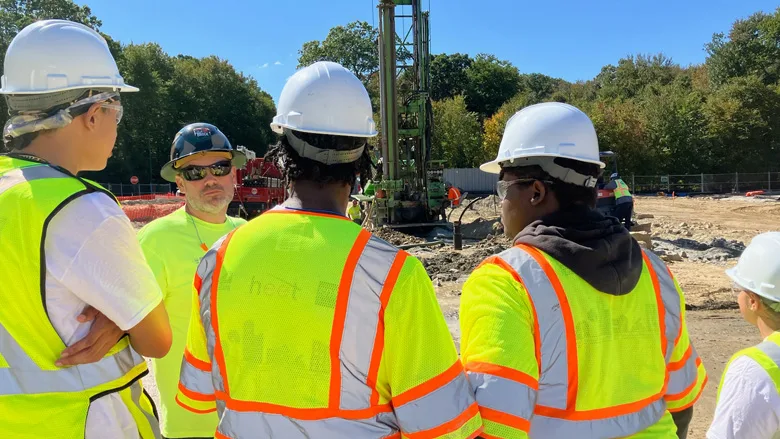
Green Door plans to train 300 students through the program and place 270 of them in environmental jobs. Participants will complete 208 hours of instruction covering asbestos abatement, lead paint remediation, land surveying, and mold remediation. Along the way, students may earn up to two state certifications and four federal certifications, credentials that can make a tangible difference when entering the environmental and construction workforce.
The initiative is focused on individuals who are underemployed or face barriers to employment, positioning the grant as both a cleanup effort and a pathway into stable careers. To carry out the work, Green Door will partner with several organizations, including BDS Environmental, Go Green Contracting, Team Wellness, Alternatives for Girls, and the United Auto Workers.
EPA officials say the grant reflects the broader goal of linking environmental stewardship with economic revitalization. Brownfields funding has long been framed not just as a cleanup tool, but as a catalyst for redevelopment and job creation at the local level.
Nationally, the numbers are significant. Since its launch in 1995, EPA’s Brownfields Program has provided nearly $2.9 billion in grants to assess and clean up contaminated properties. Those investments have leveraged more than $42 billion in additional funding for redevelopment and have helped create more than 220,500 jobs.
The job training component has been a key part of that strategy. Since 1998, EPA has awarded 456 Brownfields Job Training grants totaling more than $119 million. More than 23,400 individuals have completed training under the program, and over 17,400 have been placed in environmental and remediation-related careers. Over the last five years, the average starting wage for graduates has been approximately $23 per hour.
In a city like Detroit, where vacant industrial parcels and workforce challenges often intersect, the grant represents a practical attempt to address both at once. Cleaning up contaminated land is rarely simple, but tying that work directly to local job training adds another layer of long-term impact.
For organizations interested in similar opportunities, EPA maintains resources and technical assistance for prospective Brownfields Job Training applicants through its online grant tools.
As Detroit continues its uneven but steady redevelopment, investments like this aim to ensure that the people living near long-neglected properties are not just bystanders to change, but participants in it.
Looking for a reprint of this article?
From high-res PDFs to custom plaques, order your copy today!