EPA Starts Cleanup at Ohio Superfund Site
Contaminated soil to be finally removed
Image via Alex Moliski from Pexels
The federal government is taking another step toward cleaning up long-standing groundwater pollution in western Ohio.
The U.S. Environmental Protection Agency has begun soil removal work at the East Troy Contaminated Aquifer Superfund site in Troy, targeting one of the main source areas responsible for toxic chemical pollution in the groundwater. The project is expected to wrap up by summer.
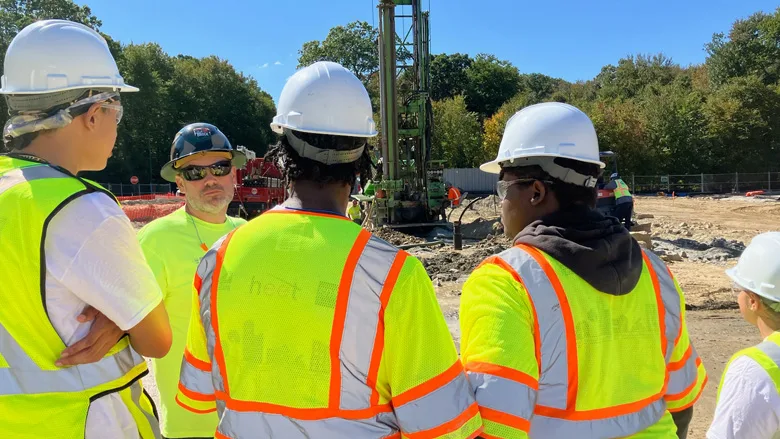
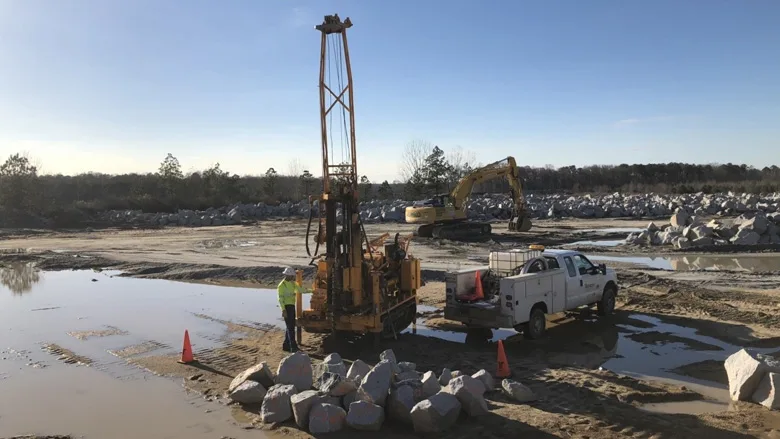
Crews are working in the northwest corner of the former Hobart Cabinet property, where contaminated soil linked to decades of industrial activity is being excavated and hauled off for proper disposal. Once the soil is removed, the area will be backfilled with clean material and restored.
Residents nearby will likely notice increased truck traffic during weekday work hours, and possibly some Saturdays depending on weather. EPA teams are taking steps to keep dust under control and prevent contaminants from spreading, including covering truckloads and cleaning vehicles before they leave the site.
The East Troy site covers about 20 square blocks along the western bank of the Great Miami River, an area that hosted numerous businesses and industrial operations throughout the 20th century. Several of those operations have been linked to groundwater contamination by trichloroethene and tetrachloroethylene — chemicals commonly associated with industrial solvents and degreasing processes.
This soil cleanup addresses one of two known source zones contributing to the polluted aquifer beneath the neighborhood. Removing the contaminated material is a key step toward stopping further spread and protecting local water resources.
The work falls under EPA’s Superfund program, which focuses on cleaning up some of the most contaminated sites in the country and restoring them so communities can safely live, work, and build around them again.
For Troy residents, it marks visible progress on a problem that has lingered underground for years — and another reminder of how historic industrial activity continues to shape today’s water and environmental challenges.
Looking for a reprint of this article?
From high-res PDFs to custom plaques, order your copy today!