EPA announces $25.5 million to help small communities tackle wastewater challenges
The funding helps support EPA's Real Water Technical Assistance initiative, known as RealWaterTA, which launched earlier this year.
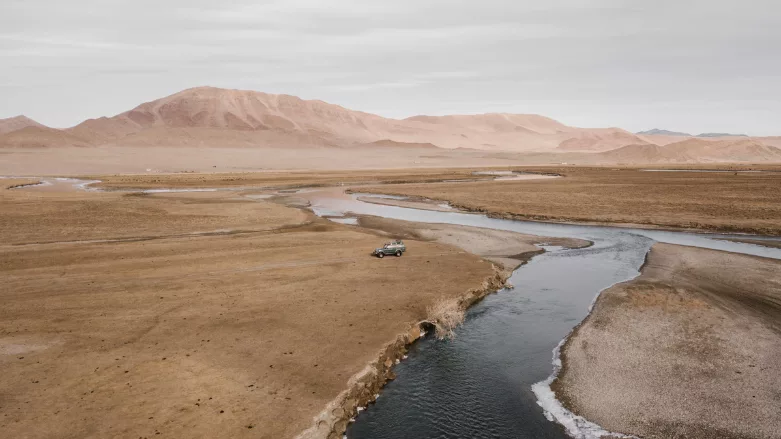
When people talk about America's water infrastructure, the conversation usually centers on major cities and massive treatment plants.
But some of the biggest challenges are often found in the smallest communities.
Across rural America and its tribal lands, many wastewater systems are operating with aging infrastructure, limited budgets, and shrinking workforces. In some cases, finding qualified operators can be just as difficult as finding the funding needed to upgrade equipment.
That's why the U.S. Environmental Protection Agency's latest funding announcement is aimed less at pouring concrete and more at helping communities figure out how to keep their systems running.
On June 17, EPA announced $25.5 million in grant funding for technical assistance providers that work with rural, small, and Tribal communities on wastewater infrastructure issues. Applications are being accepted through August 14.
The funding helps support EPA's Real Water Technical Assistance initiative, known as RealWaterTA, which launched earlier this year. The program focuses on providing practical support in areas such as engineering, operations, workforce development, financial management, and regulatory compliance.
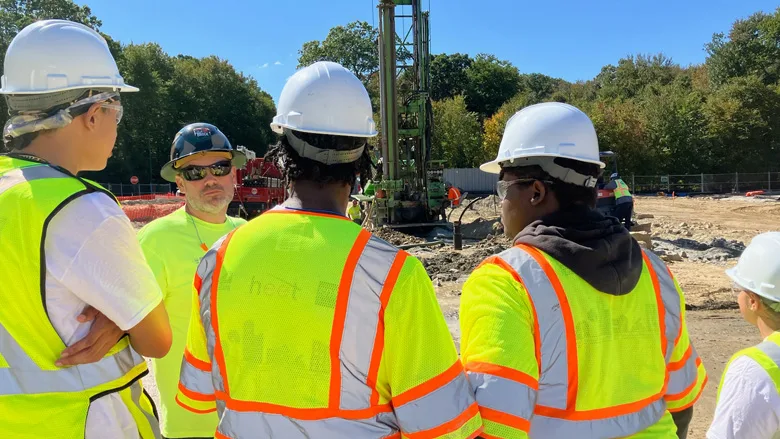
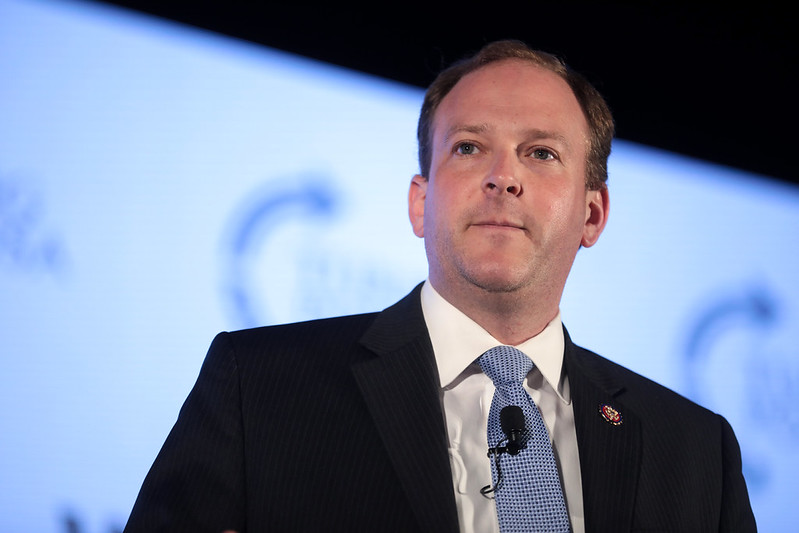 EPA head Lee Zeldin's office believes a $25.5 million investment can help wastewater issues in rural America and its tribal lands. Courtesy / George Skidmore
For many communities, those needs can be just as pressing as replacing a lift station or upgrading a treatment plant.
After all, securing funding is only part of the challenge. Communities still need people who understand the regulations, can manage projects, train operators, and keep systems functioning long after construction crews leave town.
EPA officials say the funding will help communities assess infrastructure needs, address water quality compliance issues, improve system management practices, and navigate the often-complicated world of federal funding programs.
The announcement also shines a light on a reality that many in the water industry already know well. Small systems are under pressure.
Aging infrastructure continues to demand attention. Workforce shortages remain a concern. Operating costs keep rising. In some rural communities, customer bases are shrinking, making it even harder to fund long-term improvements.
Those challenges aren't limited to wastewater utilities. Similar conversations are happening throughout the drilling and groundwater industries, where workforce development and infrastructure investment remain ongoing concerns.
The program itself was created through the America's Water Infrastructure Act of 2018. Since then, EPA says more than $102 million has been awarded through the initiative to help communities improve wastewater operations and management.
While large infrastructure projects often grab the headlines, many industry professionals would argue that technical assistance is where some of the most important work happens. A new treatment plant only solves part of the problem if a community lacks the resources to operate, maintain, and manage it effectively.
That's why programs like this tend to fly under the radar despite having a significant impact.
For contractors, engineers, consultants, and water professionals, the announcement is another reminder that infrastructure is about more than construction. Long-term success depends on planning, training, operations, and the people responsible for keeping systems running every day.
And in many small communities, that's exactly where the biggest challenges still exist.
Looking for a reprint of this article?
From high-res PDFs to custom plaques, order your copy today!

John Oldani is an editor, journalist, and reporter with over a decade of experience producing clear, engaging, and well-researched content. He holds a Bachelor of Arts in Journalism from Oakland University, with a focus on financial reporting, editing, and long-form writing. Over the past year, John has specialized in covering the drilling industry, reporting on key developments, policy shifts, and impactful stories shaping the field.
email: johnnyoldaniwords@gmail.com | office: (248) 838-8535