EPA Nears Approval of Colorado Underground Injection Wells Application
Public hearing set for Colorado UIC wells application that is essential for geothermal energy mining
.webp?t=1774923773)
The Environmental Protection Agency (EPA) says it is near approving an application from Colorado to administer permitting for Class VI “underground injection control” (UIC) wells under the Safe Drinking Water Act (SDWA). However, as the application is not finalized, the EPA is accepting comments on its proposed decision through May 4, 2026, and has scheduled an online public hearing for April 23, 2026 on the agency’s planned determination.
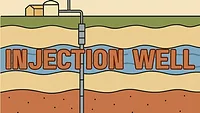
UIC wells are bored, drilled, or driven shafts used to place fluids—such as water, wastewater, brine, or chemicals—into porous geologic formations for storage or disposal, EPA says. In order to protect drinking water, EPA regulates the wells, which are essential for geothermal energy mining, industrial waste disposal, oil and gas production, brine disposal and enhanced recovery, and carbon sequestration.
UIC programs under SDWA play a key role in protecting “underground source of drinking water” (USDW) and ensuring that byproducts of industrial and energy projects are safely stored underground, according to the EPA. Class VI wells are used to inject carbon dioxide into deep rock formations for long-term underground storage, also known as geologic sequestration.
The SDWA directs the EPA to establish requirements that states, territories, and authorized tribes must meet to be granted primary enforcement responsibility or “primacy” for a UIC program. The SDWA requires applicants seeking primacy for a UIC program to demonstrate to the EPA that the proposed UIC program meets the applicable requirements promulgated by the EPA for protecting USDWs. To date, six states have received primacy for Class VI wells, including Arizona, Louisiana, North Dakota, Texas, North Dakota, West Virginia and Wyoming.
Six Classes of Injection Wells
The UIC program consists of six classes of injection wells, with each well class based on the type and depth of the injection activity and the potential for that injection activity to result in the endangerment of USDWs. Those classes of wells are:
- Class I wells are used to inject wastes into deep isolated rock formations.
- Class II wells are used to inject fluids related to oil and natural gas production, primarily to enhance recovery of oil and gas, or to dispose of wastewater associated with oil or gas production into rock formations.
- Class III wells are used to inject fluids to dissolve and extract minerals.
- Class IV wells are used to inject hazardous and radioactive wastes into or above USDWs and are only allowed as part of an EPA- or state-authorized groundwater clean-up action.
- Class V wells are used to inject non-hazardous fluids underground, typically into or above a USDW, and range from simple shallow wells to complex experimental injection technologies. Most Class V wells are “low-tech” to drain fluids directly below the land surface and include dry wells, cesspools, and septic system leach fields.
- Class VI wells are used to inject carbon dioxide into deep rock formations for the purpose of long-term underground storage, also known as geologic sequestration.
On April 2, 1984, Colorado received primacy for Class II injection wells, and on Oct. 7, 2025, Colorado applied to the EPA for primacy for Class VI injection wells located within the state, except those located on Indian lands for which the EPA retains primacy.
On March 16, 2026, EPA Administrator Lee Zeldin approved Colorado’s request for primary enforcement responsibility of Class VI wells under the UIC program. After reviewing Colorado’s application, EPA is proposing to approve Colorado’s primacy application because EPA has determined, subject to public comment, that the application meets all applicable requirements for primacy approval under section 1422 of the SDWA. The EPA announced its proposed decision on March 19, 2026 with EPA Regional Administrator Cyrus Western saying, “Congress laid out a clear vision under the Safe Drinking Water Act for delegating decision-making from EPA to the states. This primacy proposal supports Congress’ vision and recognizes that Colorado has the local expertise to protect its groundwater resources while supporting economic growth.”
If granted primary enforcement responsibility, the Colorado Energy and Carbon Management Commission will be authorized to approve injection for Class VI wells and ensure compliance with UIC program requirements, EPA says.
Filing Comments; Registering for the Hearing
The deadline to file comments on Colorado’s Class VI UIC application is May 4, 2026, and comments can be filed online through the Federal Register using Docket ID No. EPA-HQ-OW-2025-2829.
The online public hearing is scheduled for April 23, 2026, from 5-8 p.m. MST. Those wanting to attend can register online through the ZOOM for Government Website, or by email. The online registration is now open, and the address to register by email is UICprimary@EPA.gov.
Looking for a reprint of this article?
From high-res PDFs to custom plaques, order your copy today!