search
cart
facebook twitter linkedin youtube
  • Sign In
  • Create Account
  • Sign Out
  • My Account
  • NEWS
    • Water
    • Geothermal
    • Construction
    • Environmental
    • Mining
    • All Industry News
  • CLASSIFIEDS
  • EQUIPMENT
    • Rigs & Heavy Equipment
    • Consumables
    • Pumps
    • Featured Products
  • SAFETY
  • VIDEOS
    • Newscast
    • Drill Talks
    • Ask Brock
    • Emerging Drillers
  • PODCASTS
    • The Newscast
    • The DRILLERcast
  • EDUCATION
    • Drilling Business Insights
    • Reference Desk
    • Sponsored Insights
  • SOURCEBOOK
  • EVENTS
    • Ground2Grid
    • Conferences & Demo Days
  • ABOUT
    • Contact
    • Advertise
  • SIGN UP
Drilling Industry News

Remediation

Pennsylvania is trying to solve its orphaned well problem. But it's still trying to figure out just how many there are.

The abandoned well surge in the Keystone State continues to grow in numbers as cleanup efforts desperately try to keep pace.
By John Oldani
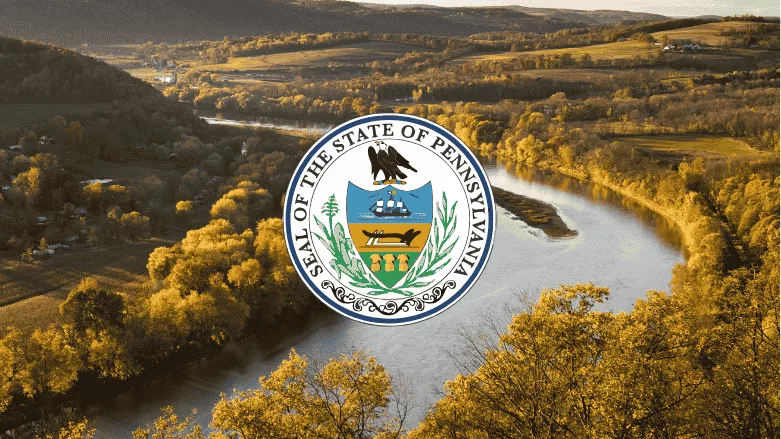
Image of a waterway in Pennsylvania
Image credit: Pgiam from Getty Images Signature
May 13, 2026

Pennsylvania is sitting on what many experts describe as one of the largest abandoned oil and gas well problems in the United States, and the full scale of it still is not completely understood.

State officials and researchers estimate Pennsylvania may contain anywhere from 300,000 to 700,000 abandoned or orphaned oil and gas wells, most of them concentrated in the western portion of the state. Many were drilled decades ago, long before modern environmental regulations existed. Some date back to the earliest days of America’s oil boom in the late 1800s.

The challenge is not just the number of wells. It is the fact that many of them were never properly documented in the first place.

While Pennsylvania officially has records for roughly 30,000 orphan wells, experts believe hundreds of thousands more may exist underground without clear locations or ownership records. In many cases, companies that originally drilled the wells no longer exist, leaving taxpayers and state agencies responsible for cleanup.

That uncertainty has turned abandoned wells into both an environmental and public safety concern.

Many of the wells leak methane, a greenhouse gas significantly more potent than carbon dioxide in the short term. Others can release contaminants into groundwater, soil, and nearby air. Heavy metals, brine, and other chemicals tied to historical oil and gas production can migrate through damaged or aging well structures over time.

The location of many of these wells only adds to the concern.

According to researchers and state data, roughly 93% of Pennsylvania’s orphaned and abandoned wells are located within 3,280 feet of buildings. Some sit near homes, schools, farms, parks, and waterways. Others remain hidden in forests or buried beneath overgrown land where nobody realizes they exist until a problem emerges.

In some cases, wells have reportedly leaked gas into basements or created risks during construction and land development projects.

The problem is especially severe in western Pennsylvania, where generations of drilling activity supported some of the earliest oil and natural gas development in the country. Thousands of wells were drilled during periods when recordkeeping standards were minimal or nonexistent.

As a result, locating abandoned wells has become one of the biggest challenges facing cleanup efforts today.

Billions in Cleanup, But Decades of Work Ahead

Pennsylvania is now receiving more than $400 million in federal funding through the Bipartisan Infrastructure Law to accelerate plugging operations and reduce environmental risks tied to orphan wells.

The Pennsylvania Department of Environmental Protection, or DEP, has been actively working to identify and plug wells across the state. The agency has also partnered with researchers and contractors to improve detection efforts for undocumented wells.

New technologies are beginning to play a major role in that process.

Drone surveys, remote sensing systems, aerial methane monitoring, and historical mapping techniques are all being used to help locate hidden wells, particularly in heavily wooded areas of northwestern Pennsylvania where old drilling sites may no longer be visible from the ground.

Still, the reality of the cleanup effort remains daunting.


Properly plugging a well is expensive and technically difficult, especially when dealing with aging infrastructure or incomplete records. Plugging operations typically involve filling wells with cement to prevent methane migration and fluid leakage. Some wells are unstable or collapsed, making remediation even more complicated.

Despite the increase in funding, progress remains slow compared to the estimated scale of the problem.

According to state reporting, the DEP plugged just 308 wells over a recent two-and-a-half-year period. At that pace, experts warn it could take decades to significantly reduce the state’s orphan well inventory, particularly if estimates closer to 700,000 wells prove accurate.
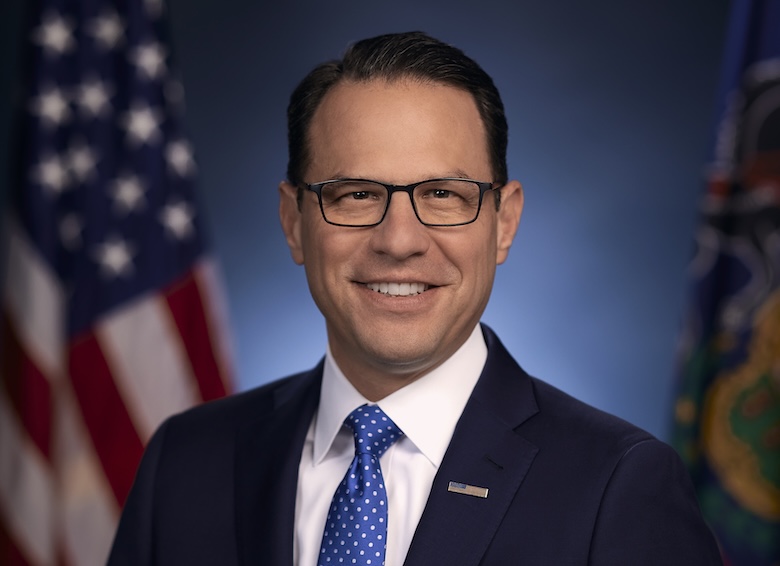
Image of PA governor Josh ShapiroCourtesy / Office of Pa. Gov. Josh Shapiro

The issue also continues growing.

Environmental groups and policymakers have raised concerns that low financial bonding requirements for oil and gas operators may allow additional wells to become orphaned in the future. In some cases, companies abandon aging wells after production declines, leaving cleanup responsibilities behind when operators go bankrupt or dissolve.

That long-term liability is becoming a larger focus nationwide as states attempt to balance energy production, environmental protection, and public safety.

Beyond methane emissions, orphan wells have increasingly become part of broader climate discussions. Federal agencies and environmental researchers view plugging programs as one potential method for reducing greenhouse gas emissions while also protecting local communities and water resources.

For Pennsylvania, however, the issue is deeply tied to the state’s industrial history.

The same oil and gas development that helped shape portions of the state’s economy also left behind a sprawling network of aging infrastructure underground. Some wells remain relatively harmless. Others continue leaking decades after they stopped producing.

The challenge now is identifying where those wells are, determining which pose the greatest risks, and finding enough funding and manpower to address them.

Even with new federal investment and advancing detection technology, Pennsylvania’s orphan well problem is increasingly being viewed not as a short-term cleanup project, but as a long-term environmental management challenge that could stretch across generations.

KEYWORDS: orphan wells remediation

Share This Story

Looking for a reprint of this article?
From high-res PDFs to custom plaques, order your copy today!

Johnoldani author

John Oldani is an editor, journalist, and reporter with over a decade of experience producing clear, engaging, and well-researched content. He holds a Bachelor of Arts in Journalism from Oakland University, with a focus on financial reporting, editing, and long-form writing. Over the past year, John has specialized in covering the drilling industry, reporting on key developments, policy shifts, and impactful stories shaping the field.

email: johnnyoldaniwords@gmail.com | office: (248) 838-8535

LinkedIn Follow Icon

Recommended Content

JOIN TODAY
to unlock your recommendations.

Already have an account? Sign In

  • geotechnical drilling rig

    6 Onsite Phrases Environmental Drillers Hate

    Here are six phrases that highlight common frustrations...
    Markets
    By: Jeff Garby
  • Pipe Stuck? Common Causes and Solutions for Drillers

    If you have drilled for any length of time, sooner or...
    Oil & Gas Drilling
  • deep water well

    Selecting and Sizing Submersible Pump Cable

    This article helps pump installers and servicers decide...
    Markets
    By: Bob Pelikan
You must login or register in order to post a comment.

Report Abusive Comment

Manage My Account
  • Newsletters
  • Online Registration
  • Subscription Customer Service
  • Manage My Preferences

More Videos

Sponsored Content

Sponsored Content is a special paid section where industry companies provide high quality, objective, non-commercial content around topics of interest to the The Driller audience. All Sponsored Content is supplied by the advertising company and any opinions expressed in this article are those of the author and not necessarily reflect the views of The Driller or its parent company, BNP Media. Interested in participating in our Sponsored Content section? Contact your local rep!

close
  • skid-packaged booster stations
    Sponsored byBaker Water Systems

    Built to Spec: Custom Booster Stations for Real-World Water Systems

  • 3135GT drilling rig
    Sponsored byGeoprobe

    Driller Feedback Drives Innovation in Geotechnical & Environmental Drilling

  • CUE100 external variable‑frequency drive (VFD)
    Sponsored byGrundfos

    Unlocking Simplicity and Reliability in Critical Water Systems

Popular Stories

An image of a reservoir in Colorado with mountains in the background

Denver Water to Drain Antero Reservoir as Drought Intensifies

spears for drilling tool fishing

Star Iron Works, Inc. Manufactures Fishing Tools including Spears and Overshots

An image of the Pennsylvania intro

DOE Backs $14 Million Geothermal Demonstration in Pennsylvania

The DRILLER logo CLASSIFIEDS

COMPRESSORS

EAST WEST MACHINERY & DRILLING IS BUYING AND SELLING AIR COMPRESSORS, AIR BOOSTERS, AIR ENDS & PARTS
Company: East West Machinery

DRILL RIGS

LOOKING FOR LATE MODEL TOPHEADS & DRILLTECH D25'S
Company: Spikes’s Rig Sales

DRILL RIG PARTS

MEETING DRILLERS NEEDS AROUND THE WORLD
Company: East West Machinery

ELEVATORS

SEMCO INC. PIPE ELEVATORS
Company: Semco Inc.

GROUTERS

GROUTING EQUIPMENT - GROUT PUMPS & GROUT HOSE REELS
Company: Geo-Loop Inc.

PUMP HOISTS

SEMCO INC. - BASIC PUMP HOISTS
Company: Semco Inc.

WELL PACKERS

LANSAS PRODUCTS - INFLATABLE WELL PACKERS
Company: Vanderlans Lansas Products

WELL SCREENS

WELL SCREENS & SLOTTED PIPE
Company: Alloy Screen Works

Events

June 15, 2027

Ground2Grid Thermal Energy Summit

Ground2Grid logoGround2Grid is a new, national event hosted by The Driller where the full lifecycle of Thermal Energy Resources comes together. From the subsurface to the final system connection, this summit brings builders, policymakers, engineers, and investors into one collaborative space to accelerate the future of carbon-neutral heating and cooling.
View All Submit An Event

Products

Water Quality Engineering: Physical / Chemical Treatment Processes

By carefully explaining both the underlying theory and the underlying mathematics, this text enables readers to fully grasp the fundamentals of physical and chemical treatment processes for water and wastewater.

See More Products

The Driller EGO award - Tell Us Who's Making An Impact in the Field

Related Articles

  • An image of a river in a rural area

    EPA Rolls Out $30 Million Initiative to Support Small and Rural Water Systems

    See More
  • An image of Epic's Geothermal campus

    Still Drilling, Still Building

    See More
  • An image of the Pennsylvania intro

    DOE Backs $14 Million Geothermal Demonstration in Pennsylvania

    See More

Related Products

See More Products
  • Audel Water Well Pumps and Systems Mini-Ref

  • A Builder's Guide to Wells and Septic Systems, Second Edition

  • Safety from Start to Finish

See More Products

Related Directories

  • Pennsylvania Ground Water Assn.

    The Pennsylvania Ground Water Association (PGWA) is the premier organization for professionals in the groundwater industry throughout Pennsylvania. As a nonprofit organization, we bring together a diverse network of groundwater experts, including drilling contractors, scientists, engineers, equipment manufacturers, and suppliers, all united by a shared commitment to protecting and advancing groundwater resources.
  • Minnesota Water Well Assn.

    Beyond maintaining high standards in the ground water industry, the MWWA is devoted to providing continuing education to its members and furnishing accurate information to the public regarding the quantity, quality and availability of Minnesota ground water resources. The MWWA works with government agencies, communities, land owners and industry to identify and solve problems associated with ground water use.
  • Vanair®, a Lincoln Electric Co.

    Vanair®, a Lincoln Electric Company, offers an extensive product line of vehicle-mounted air compressors, generators, welders, hydraulics, Electrified Power Equipment®, chargers/boosters, and engine starters, making it the most comprehensive Mobile Power Solution® provider in the world. Through innovative design, training and support, Vanair® delivers rugged and reliable products that enhance efficiency and productivity globally. Wherever, whenever and however you need it... Vanair® is there. For more information about Vanair® and its products and services, visit the Company's website at https://vanair.com/.
×

Dig deeper into the drilling and water supply industry!

Build your knowledge with The Driller, covering the people, equipment and technologies across drilling markets.

SIGN UP NOW
  • RESOURCES
    • Advertise
    • Contact Us
    • Directories
    • Store
    • Want More
    • Classifieds
  • SIGN UP TODAY
    • Create Account
    • Newsletters
    • Customer Service
    • Manage Preferences
  • SERVICES
    • Marketing Services
    • Reprints
    • Market Research
    • List Rental
    • Survey/Respondent Access
  • STAY CONNECTED
    • LinkedIn
    • Facebook
    • YouTube
    • X (Twitter)
  • PRIVACY
    • PRIVACY POLICY
    • TERMS & CONDITIONS
    • DO NOT SELL MY PERSONAL INFORMATION
    • PRIVACY REQUEST
    • ACCESSIBILITY

Copyright ©2026. All Rights Reserved BNP Media, Inc. and BNP Media II, LLC.

Design, CMS, Hosting & Web Development :: ePublishing