The Work We Planned Is Not the Work We Do
Why safety problems begin long before someone gets hurt.
Key Takeaways
- Experienced drilling crews often overcome operational deficiencies, masking problems that leadership may not recognize.
- When organizations mistake successful outcomes for effective planning, hidden safety risks can spread to other crews.
- Leaders should examine how work actually gets done and address recurring obstacles before they cause incidents.
Every organization has them: the people we know will deliver. Experienced operators, crew leaders, technicians, and supervisors who get the job done regardless of obstacles. When equipment fails, staffing is short, or schedules tighten, they find solutions. We recognize their resourcefulness, reward their performance, and trust them with the most challenging assignments. They succeed where others struggle, time after time. But what if their success is hiding problems we don't even know we have?
Work as Planned / Work as Performed
Every job is planned, scheduled, and budgeted based on expectations: the people, equipment, experience, processes, and time needed to do the work while managing the risks. That planning is based on assumptions about the conditions under which the work will happen and what has been done previously.
But those assumptions are sometimes incorrect. Conditions change, and the way we actually perform the work does not always match what we planned. The work still has to get done, so people adjust.
Adapting is not inherently unsafe; doing it well is necessary and often what makes those employees so valuable. Safety and quality concerns arise, however, when those adaptations introduce risks that were not anticipated or are not adequately controlled. The people exposed to those risks are often the same people keeping the hardest jobs running, without telling “the office” everything they had to overcome. We reward their effort, tenacity, and dependability, sometimes without understanding the conditions under which they delivered.
When Success Hides the Problem
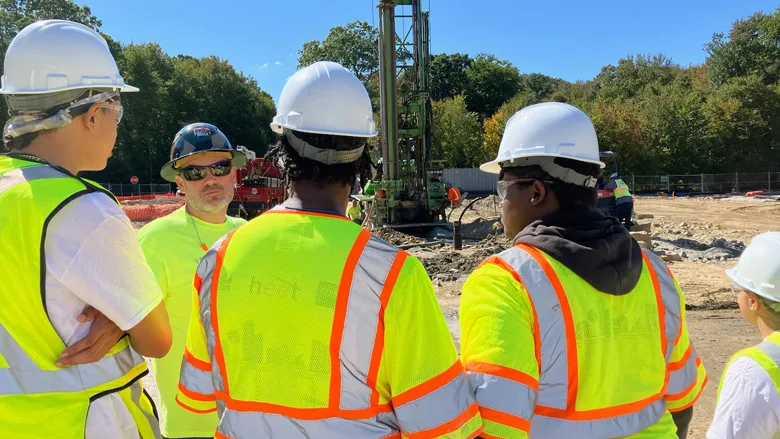
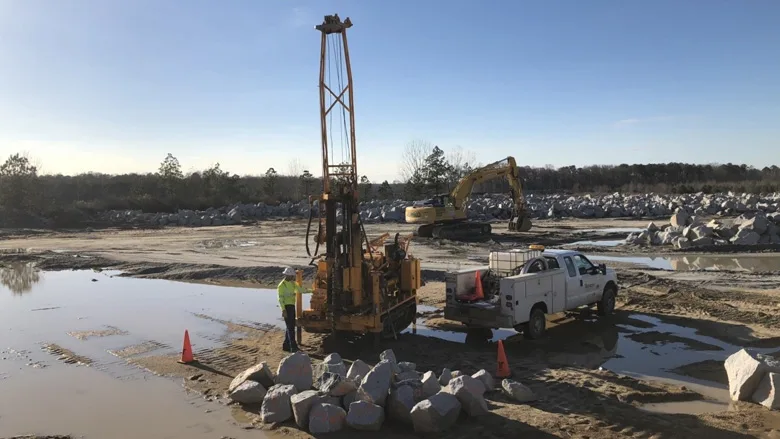
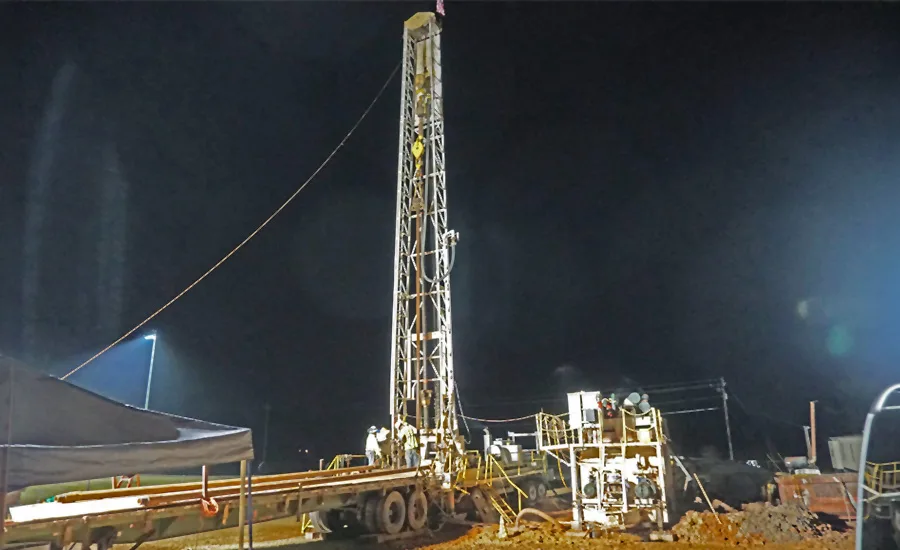
Consider a drilling contractor whose most experienced crew—their “A Team”—consistently finishes jobs on schedule. The equipment is aging, materials do not always arrive when promised, someone keeps taking the new wrenches off the truck, and site conditions rarely match the assumptions in the estimate. The crew knows which repairs cannot wait, which tasks can be rearranged, and how to keep the work moving when conditions do not match the plan.
Most of those decisions never appear in the daily report. The job finishes, the client is satisfied, and the next bid inherits the same production expectations even though the crew succeeded by compensating for a plan that did not reflect reality.
Now imagine business picks up and you need to assemble another crew. The new crew gets similar equipment, expectations, schedule, and performance targets. What they do not inherit is years of informal knowledge about the workarounds that made those targets achievable.
The new crew must now improvise based on their experience and available resources, without understanding how other crews overcome similar issues. Some adjustments are sensible; others may introduce hazards no one considered when the job was planned. The risk of injury or an incident increases. If nobody gets hurt, nothing gets broken, and the work is completed, organizations can mistake successful outcomes for evidence that their plans are working. Those “successful” outcomes depend on employees continuously compensating for plans that do not reflect reality.
The Decisions We Make Create the Conditions Others Work In
Staffing decisions, compressed schedules, and delayed equipment repair or replacement may all seem like necessary business decisions in the office. In the field, those decisions may mean skipped breaks, improvised repairs, longer working hours, and employees driving heavy vehicles while fatigued.
Field conditions, and the need to adapt, are shaped by leadership decisions made far from the work. That is not an accusation. It is a business reality—and understanding that is an essential leadership responsibility.
The broader a business decision reaches across an organization, the greater its potential impact. The farther decision-makers are from the work, the harder it becomes to see where and how people must adapt to get the work done.
Leaders do not need to know every detail of every job, but they do need to understand how their decisions change the reality of doing the work.
What Are Our Results Really Telling Us?
When a project finishes on schedule and within budget, we naturally consider it successful. But those results tell us what was accomplished, not necessarily what employees had to overcome to accomplish it. A distinct set of questions can help reveal the gap:
- What did the crew actually do to complete the work?
- What equipment, time, skills, and support were not available as planned?
- What pressures or unexpected conditions did they encounter?
- Which adjustments or unofficial “tricks” have become routine?
We do not want to eliminate adaptability. It is essential. Our best employees recognize problems and find solutions. But we should not depend on them to continually overcome deficiencies the organization can—and should—address.
That requires listening to those closest to the work, understanding what makes the job difficult, and using those answers to improve the operation, not simply rewrite the procedure. When the work changes, our plans, resources, and risk assessments must change with it.
The Real Question for Leaders
Our most dependable employees may be the reason the system continues to work. They may also be the reason we fail to recognize where it does not. The job gets done, the paperwork is complete, and the client is happy. On to the next. Other jobs and crews demand our attention, so we assume everything went fine with them.
Understand the issues they dealt with and celebrate their ingenuity. But when someone repeatedly overcomes the same obstacle, ask why that obstacle is still there. Are we giving people what they need, or relying on them to make an unrealistic plan work?
Leaders make business decisions, set performance expectations, measure outcomes, and manage crises. But simply knowing that the work got done is different from understanding how it got done—or what extra effort was required to get it done successfully.
Looking for a reprint of this article?
From high-res PDFs to custom plaques, order your copy today!