Water Wells
Well Integrity Under Pressure: Preventing Failures That Threaten Groundwater
Recent EPA enforcement notices put mechanical-integrity testing back in the spotlight.
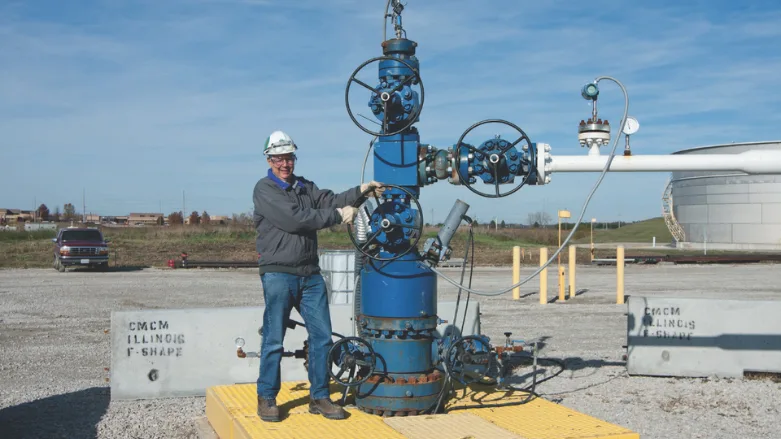
A well can look perfectly fine at the surface and still have serious problems hundreds or thousands of feet underground.
- A small casing defect, an improperly seated packer or a poorly cemented annulus can create pathways for fluids to move between geological formations.
- In injection wells, where fluids are deliberately pumped underground under pressure, those failures can potentially threaten nearby groundwater resources.
Two recent enforcement notices from the U.S. Environmental Protection Agency (EPA) show examples of why mechanical integrity remains an important part of well construction and maintenance.
Earlier this month, EPA Region 6 announced proposed administrative orders against two Oklahoma operators, alleging violations of federal Underground Injection Control (UIC) regulations.
In Osage County, EPA alleges that CapturePoint LLC failed to successfully demonstrate mechanical integrity at its Well No. 45-W26. A separate proposed order against SNR Operating LLC involves the Drew 1 well in Kay County.
In both cases, EPA alleges that the wells were maintained in ways that could allow fluids containing contaminants to enter underground sources of drinking water. The allegations remain subject to the agency's administrative process, and the notices do not establish that groundwater contamination actually occurred.
The potential consequences of those failures aren't limited to regulatory penalties.
In 2024, EPA reached a settlement with Sunrise Power Company in California after alleging that an injection well at its Kern County facility had lost mechanical integrity, allowing wastewater to reach the ground surface.
“Failure to adhere to all permit requirements risks damage to vital and limited groundwater resources,” said Martha Guzman, then-EPA Pacific Southwest regional administrator, when the settlement was announced.
For drilling contractors, these cases bring up a practical question: What causes a well to fail its mechanical-integrity test, and what can be done to prevent it?
 Image courtesy: Nigel Msipa
What Mechanical Integrity Actually Measures
Under federal regulations, an injection well must satisfy two separate requirements to demonstrate mechanical integrity.
The first concerns the physical components of the well. There must be no significant leaks in the casing, tubing or packer assembly.
The second concerns the space outside the casing. There must be no significant fluid movement into an underground source of drinking water through vertical channels adjacent to the wellbore.
These are commonly referred to as internal and external mechanical integrity.
Under 40 CFR 146.8, internal integrity can be evaluated through pressure testing or approved annular-pressure monitoring methods. External integrity is typically evaluated using temperature or noise logging, although certain injection-well classes may use qualifying cementing records and other approved methods.
The distinction matters because a well can successfully hold pressure inside its casing while still having an inadequate cement seal outside it.
A pressure test alone does not necessarily tell contractors what is happening behind the pipe.
Where Things Go Wrong
Mechanical-integrity problems can originate during construction or develop after years of operation.
Casing corrosion is one potential culprit, particularly in wells exposed to aggressive formation fluids or injected chemicals. Over time, wall loss can weaken the casing and eventually create leak paths.
Threaded connections and packer assemblies present additional potential failure points. Improper installation, damaged seals or mechanical movement can compromise the pressure barrier.
But some problems begin before the well ever enters service.
During cementing, incomplete mud displacement, poor centralization or inadequate cement placement can leave channels between the casing and borehole wall.
If those channels provide a continuous pathway, fluids may migrate vertically outside the casing rather than remaining isolated within the intended geological interval.
Cement integrity also depends on formation conditions, drilling-fluid properties and the pressure and temperature conditions the completed well will experience.
These issues are particularly important in injection wells, where the well must withstand repeated or sustained pressure while maintaining isolation between formations.
EPA guidance identifies pressure testing, temperature logging, noise logging and other diagnostic methods as useful tools for evaluating different potential failure mechanisms. No single test can identify every problem.
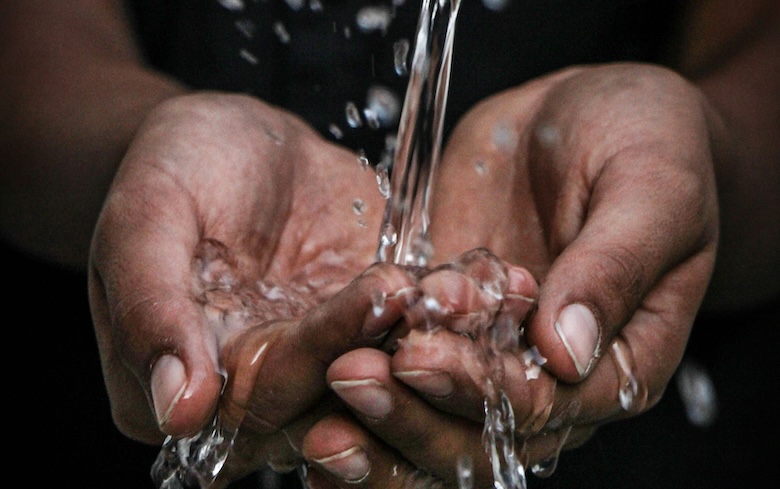 Image courtesy: MRJN Photography
When a Well Fails the Test
A failed mechanical-integrity test does not automatically identify the source of the problem.
For example, an unexpected pressure decline during testing could indicate leakage through the casing, tubing, packer or wellhead equipment. Temperature changes and test-equipment problems can also affect pressure readings and need to be evaluated before determining the cause.
Contractors may need to isolate individual sections of the well, inspect surface connections or conduct additional downhole logging to narrow down the problem.
Cement-bond logs can provide information about the casing-to-cement bond and help evaluate cement placement, while temperature and noise logs may help identify fluid movement behind the casing.
Caliper surveys and other casing-inspection tools can also help identify deformation, corrosion or changes in internal diameter.
Once the source is identified, corrective measures depend on the type and extent of the failure.
Repairs might involve replacing damaged tubing, resetting a packer, installing a casing patch or conducting squeeze-cementing operations to seal unwanted flow paths.
In more serious cases, a well may need to be plugged and abandoned if its integrity cannot be restored.
A 2013 EPA enforcement case in Colorado offers an example of how these problems can develop.
The agency assessed Maralex Disposal LLC an $89,900 penalty for violations at a commercial brine disposal well on the Southern Ute Reservation. EPA inspectors had identified excessive annulus pressure, and the operator continued injecting waste fluids despite unresolved mechanical-integrity concerns.
“Companies that dispose of production wastes into the subsurface are responsible for taking steps to ensure injection wells are not leaking,” said Mike Gaydosh, then-director of EPA's enforcement program in Denver.
The well was eventually repaired and successfully retested before injection operations were authorized to resume.
For regulated injection wells, failed integrity demonstrations can prevent continued injection until the issue is addressed and the necessary regulatory requirements are satisfied.
Why Construction Records Matter
One of the more overlooked aspects of well integrity is documentation.
For contractors, recording construction details can be just as important as performing the work itself, particularly if a problem develops years later.
Casing specifications, centralizer placement, cement volumes, slurry properties, placement pressures and returns can all provide useful information when evaluating a suspected failure.
Pressure-test records should identify the tested interval, test pressure, duration, pressure behavior and equipment used, along with any unusual conditions that could influence the results.
Accurate drilling logs and completion records also make it easier to determine whether a problem developed during initial construction or subsequent operation.
EPA regulations require operators reporting mechanical-integrity test results to describe the tests and methods used. Regulators may also review monitoring and test records collected since the previous evaluation.
Poor documentation does not necessarily mean a well was improperly constructed. However, it can make demonstrating compliance and diagnosing future problems substantially more difficult.
Lessons Beyond Injection Wells
Although the October enforcement notices involve regulated injection wells, the underlying construction principles apply to several other drilling applications.
Groundwater monitoring wells depend on appropriate annular seals to prevent vertical movement between separate water-bearing formations. Remediation wells need reliable casing and seal systems to keep treatment or extraction activities confined to their intended intervals.
Municipal water wells face their own integrity concerns, including casing corrosion, deteriorated seals and unwanted communication between aquifers.
Testing requirements and construction standards vary by well type, so the UIC mechanical-integrity framework should not be treated as a universal testing standard.
Still, the basic concerns are familiar to nearly every drilling contractor: sound casing, reliable seals, proper cement or grout placement and accurate construction records.
The two Oklahoma cases also demonstrate that mechanical integrity is not simply a box to check before a well begins operating.
Conditions change underground, components deteriorate, and pressure cycles place additional stress on equipment. So, a well that passed its original tests may eventually develop problems.
Preventing those problems starts with construction practices that account for the well's intended operating conditions and continues with testing, monitoring and maintenance throughout its service life. Because when a well loses its integrity, the consequences can extend well beyond the cost of repairing it.
Looking for a reprint of this article?
From high-res PDFs to custom plaques, order your copy today!

John Oldani is an editor, journalist, and reporter with over a decade of experience producing clear, engaging, and well-researched content. He holds a Bachelor of Arts in Journalism from Oakland University, with a focus on financial reporting, editing, and long-form writing. Over the past year, John has specialized in covering the drilling industry, reporting on key developments, policy shifts, and impactful stories shaping the field.
email: johnnyoldaniwords@gmail.com | office: (248) 838-8535