The future of water
Another Shortage Affecting America's Water? The Decline of People Working in the Sector
The EPA is looking for ways to bring more workers into the nation’s water sector as expected retirements raise concerns about who will operate and maintain drinking water and wastewater systems in the years ahead.
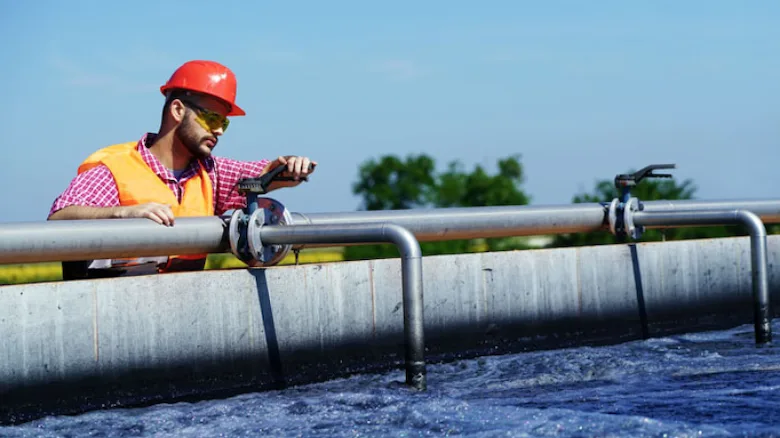
The Environmental Protection Agency is looking for ways to bring more workers into the nation’s water sector as expected retirements raise concerns about who will operate and maintain drinking water and wastewater systems in the years ahead.
The EPA held a roundtable earlier this month with water systems, industry associations, states and federal partners to discuss recruiting and keeping qualified workers. The conversation also focused on barriers that may make it harder for people to enter the field and ways states could better coordinate their efforts.
The issue may not be immediately visible to most Americans, but the workers behind water systems perform jobs that communities depend on every day. They operate treatment plants, maintain equipment and help make sure drinking water and wastewater systems continue to function properly.
According to the EPA, about one-third of the water sector workforce is nearing retirement age. That could leave water systems looking for a large number of new employees at the same time experienced workers are leaving.
“Every time we turn on the tap, flush the toilet, or water the garden, we are depending on the dedicated professionals managing public water systems,” EPA Assistant Administrator for Water Jess Kramer said.
Kramer said the agency wants to work with its partners to improve recruitment and retention and encourage more people to consider careers in the water sector.
The roundtable is also expected to help the EPA update its 2020 Water Workforce Initiative, which was developed during President Donald Trump’s first administration. The agency says it plans to create an online toolbox with resources for water systems, states and technical assistance providers.
Those resources are expected to focus on recruiting workers, helping them develop the necessary skills and encouraging experienced employees to remain in the field.
But updating an initiative and providing new resources are only part of the challenge. The EPA announcement does not say how many additional workers the water sector will need in the coming years or how quickly those positions must be filled. It also does not provide specific targets for measuring whether the updated workforce initiative is successful.
The challenge goes beyond replacing people who retire.
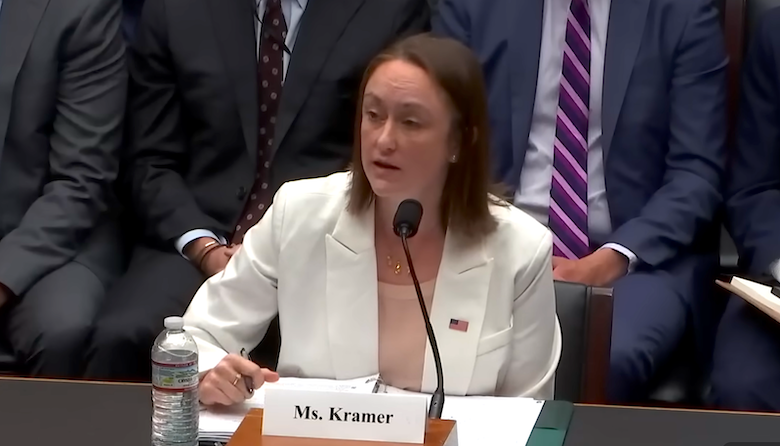 EPA administrator Jess Kramer. Image: YouTube screenshot
Understanding water's new wave
The EPA says modern water systems increasingly need employees with technical and scientific skills. Workers may also need to understand newer responsibilities, including cybersecurity practices, as water systems become more technologically complex.
That means water systems are not simply looking for more workers. They also need people with the right training and qualifications to operate modern facilities safely and effectively.
At the same time, many communities are dealing with aging water infrastructure. The EPA argues that investing in new pipes, treatment facilities and other infrastructure will only go so far if there are not enough qualified people to operate and maintain those systems.
The federal government already supports water infrastructure through programs such as the State Revolving Funds and the Water Infrastructure Finance and Innovation Act, known as WIFIA. These programs can help finance improvements to drinking water and wastewater infrastructure.
Still, money for physical infrastructure does not automatically solve workforce shortages. A new or upgraded treatment system still needs trained employees to run it.
That is why the EPA says investment in workers, sometimes referred to as human capital, needs to be part of the larger conversation about improving the country's water systems.
One possible solution is expanding apprenticeships, training and education programs that can introduce more people to careers in the field. The EPA also wants to increase public awareness of water sector jobs, which may receive less attention than careers in other infrastructure or technical industries.
The agency says connecting people with these jobs and providing training could help create a stronger pipeline of workers.
However, the EPA announcement offers limited details about how large that pipeline needs to become or how the agency plans to overcome specific recruitment and retention problems. It also remains to be seen whether federal resources and better coordination will be enough to address workforce challenges that can vary significantly between water systems and states.
The federal government already has some programs aimed at the issue.
 Photo: aquaArts studio / E+ via Getty Images
One is the Innovative Water Workforce Development Grant Program, which began in 2018. According to the EPA, more than $15 million has been invested through the program to increase awareness of water sector job opportunities.
The EPA also has a role in overseeing state Operator Certification Programs required under the Safe Drinking Water Act. These programs help make sure water system operators have the training and technical knowledge necessary to do their jobs.
The agency works with states to provide training, technical assistance and other resources that can help operators earn the certifications they need to treat and deliver drinking water.
Those existing programs give the EPA a foundation to build on, but the expected wave of retirements could put greater pressure on workforce development efforts.
The larger concern is relatively straightforward. Water infrastructure depends on more than pipes, pumps and treatment plants. It also depends on having enough trained people to operate them.
The EPA’s roundtable signals that the agency recognizes the potential workforce problem and is looking for ways to address it before more experienced workers retire. The planned update to the 2020 initiative, along with additional training and recruitment resources, could help water systems prepare.
But the roundtable itself is an early step. Whether the EPA’s efforts lead to a meaningful increase in qualified workers will depend on what comes next, including the programs that are developed, the resources available to states and water systems, and whether those efforts can attract people to careers that communities rely on every day.
Looking for a reprint of this article?
From high-res PDFs to custom plaques, order your copy today!

John Oldani is an editor, journalist, and reporter with over a decade of experience producing clear, engaging, and well-researched content. He holds a Bachelor of Arts in Journalism from Oakland University, with a focus on financial reporting, editing, and long-form writing. Over the past year, John has specialized in covering the drilling industry, reporting on key developments, policy shifts, and impactful stories shaping the field.
email: johnnyoldaniwords@gmail.com | office: (248) 838-8535