Is $39 million enough to clean up PFAS contamination in Pennsylvania? The EPA thinks so.
Funding targets drinking water contamination in vulnerable communities
The Environmental Protection Agency is providing more than $39 million to Pennsylvania to help communities test for and address PFAS contamination in drinking water, particularly in smaller and underserved areas that often struggle to afford treatment systems and infrastructure improvements.
The funding is being distributed through the agency’s Emerging Contaminants in Small or Disadvantaged Communities grant program, which helps states and local water systems respond to PFAS and other contaminants that have raised increasing public health concerns in recent years.
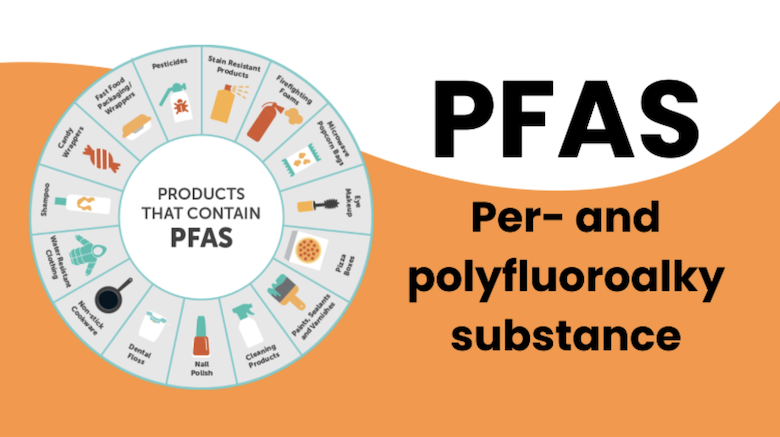
PFAS, often called “forever chemicals,” are man-made compounds that have been linked to a variety of health concerns and are difficult to remove once they enter water systems. The chemicals have been found in drinking water supplies and food nationwide and are commonly tied to industrial facilities, firefighting foam, and military installations.
Public awareness and scientific research surrounding PFAS are still relatively recent developments. In 2010, only two publicly available scientific studies focused on PFAS in food and water. By 2022, that number had grown to 677 studies, reflecting a sharp increase in research activity and growing concern among regulators, utilities, and public health experts.
Why this matters…
According to the EPA, the Pennsylvania funding can be used for water testing, treatment planning, infrastructure improvements, and support for private well owners. The agency said communities may also use the money to address other emerging contaminants, including perchlorate, manganese, and 1,4-dioxane.
The announcement highlights the growing pressure on states and local utilities to deal with PFAS contamination as federal regulations become stricter. While the EPA has moved forward with new drinking water standards for certain PFAS compounds, many utilities are still weighing how to pay for treatment upgrades and meet the new requirements.
A major focus of the latest funding appears to be on smaller and rural communities, which often have aging water infrastructure and limited budgets. EPA officials said the agency’s newer “PFAS OUT” initiative is intended to help those systems identify contamination, reduce exposure, and prepare for future compliance requirements.
The broader challenge is scale. PFAS contamination is widespread, treatment technology remains expensive, and questions persist around long-term disposal methods for contaminated materials once the chemicals are filtered from water supplies.
 Courtesy / ACT Lab
The issue also reflects broader concerns about environmental health, industrial pollution, and the aging infrastructure many communities rely on for drinking water. As federal standards become stricter, smaller utilities in particular are facing increasing pressure to upgrade systems that can be expensive to build and maintain.
For additional reporting, useful sources could include Pennsylvania environmental and public health agencies, water utilities currently managing PFAS treatment projects, and researchers studying the long-term effects of PFAS exposure. Communities located near military bases, airports, and industrial facilities tied to contamination may also provide insight into how the issue is affecting residents locally. Environmental advocacy groups and legal experts involved in PFAS litigation and cleanup efforts could offer a perspective on the regulatory and financial challenges still unfolding.
As research into PFAS continues to expand, the issue is likely to remain a major focus for regulators, utilities, and public health officials for years to come. For many communities, the challenge is no longer determining whether PFAS contamination exists, but how quickly and affordably it can be addressed.
Looking for a reprint of this article?
From high-res PDFs to custom plaques, order your copy today!

John Oldani is an editor, journalist, and reporter with over a decade of experience producing clear, engaging, and well-researched content. He holds a Bachelor of Arts in Journalism from Oakland University, with a focus on financial reporting, editing, and long-form writing. Over the past year, John has specialized in covering the drilling industry, reporting on key developments, policy shifts, and impactful stories shaping the field.
email: johnnyoldaniwords@gmail.com | office: (248) 838-8535