Flomatic Introduces Sewair-Combo NXC for Wastewater Systems
The Sewair-Combo NXC is designed to handle three air management functions within a single valve.
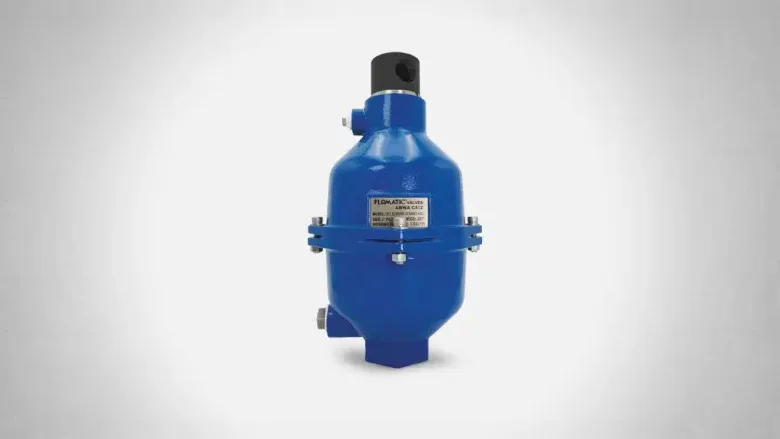
Flomatic Valves recently introduced the Sewair-Combo NXC, a new combination air valve designed for municipal and industrial wastewater systems. The valve is intended to manage trapped air and vacuum conditions in wastewater force mains, particularly at high points and areas where changes in pipeline slope can cause air to collect.
Air management is an important part of wastewater system operation. When air becomes trapped in a pipeline, it can restrict flow and affect pumping efficiency. Vacuum conditions can create a different set of problems, including the risk of column separation and damage to pipelines.
The Sewair-Combo NXC is designed to handle three functions within a single valve. It releases larger volumes of air as a pipeline fills, allows air into the pipeline during draining or sudden flow interruptions, and releases smaller amounts of trapped air while the system is operating under pressure.
Combining those functions is not a new concept in wastewater infrastructure, but Flomatic’s latest design puts them into a compact unit intended specifically for wastewater service.
The valve is designed in accordance with AWWA C512 and is available with a 2-inch NPT connection. According to Flomatic, it can operate at pressures ranging from 3 psi to 230 psi and at temperatures up to 140 degrees Fahrenheit, or 60 degrees Celsius.
Designed With Wastewater Conditions in Mind
Materials are an important consideration for any valve expected to operate around wastewater.
The Sewair-Combo NXC uses a ductile iron body with a powder fusion-bonded epoxy coating. The float is made from 316 stainless steel, while the valve also uses stainless steel internal components.
These materials are intended to provide corrosion resistance in sewage environments. How they perform over the long term will depend on operating conditions, maintenance and the characteristics of the wastewater at a particular installation.
One of the more noticeable design choices is the shape of the valve's lower body.
Instead of providing a flat area where material could potentially settle, the NXC uses a sloped, funnel-shaped lower section. Flomatic says this design helps reduce the accumulation of grease and debris.
For wastewater operators, that could be useful. Grease, solids and other material can complicate the operation and maintenance of equipment used in wastewater systems.
The company says reducing that buildup can also lower maintenance requirements. However, the information provided for the product does not include long-term field data showing how much maintenance the design saves compared with other combination air valves.
That will likely become clearer as the valve spends more time in operating wastewater systems.
Flomatic has also included two cleanout and drain ports on the Sewair-Combo NXC. They provide access for inspection, draining, testing and backflushing.
It is a relatively simple feature, but potentially an important one.
Wastewater equipment inevitably requires maintenance, and the ability to access and clean a valve without unnecessarily complicating the process can matter to operators. The two ports should provide additional options when servicing the unit, although the actual time and maintenance savings will vary between installations.
The valve's specifications also give it a relatively wide range of potential wastewater applications. Its listed operating pressure range extends from 3 psi to 230 psi.
Still, utilities will need to evaluate more than the pressure rating when determining whether the NXC is appropriate for a particular location. Pipeline size and configuration, expected air volumes, operating pressures and the characteristics of the wastewater system all play a role in selecting an air valve.
What Does the NXC Actually Change?
The Sewair-Combo NXC is best viewed as another option for utilities looking to manage air in wastewater force mains rather than as a fundamentally new approach to air management.
Its main points of interest are the combination of three air-management functions, corrosion-resistant materials, a sloped lower body and maintenance access through two cleanout and drain ports.
Flomatic says the valve can improve hydraulic performance, reduce maintenance concerns and protect pipelines from air-related problems. Those are important goals, but they should be viewed as manufacturer claims until there is enough field experience to judge the NXC's performance over longer periods.
The company information provided with the product does not include independent performance comparisons with competing combination air valves. It also does not provide long-term operating data showing how the design performs under different wastewater conditions.
That does not mean the claims are inaccurate. It simply leaves some questions that utilities and operators will have to consider when evaluating the valve.
For example, the sloped lower body sounds useful for reducing debris accumulation, but its practical value will depend on how effectively it performs in actual sewage environments. Similarly, the cleanout ports could make maintenance easier, but the size of that advantage will depend on how often the valve needs servicing and how easily operators can access it.
The Bottom Line
On specifications alone, the Sewair-Combo NXC addresses several familiar concerns associated with wastewater air valves.
It manages air release and vacuum conditions within one unit, uses materials selected for corrosive environments and includes design features intended to deal with debris and routine maintenance.
The valve could be particularly relevant for force mains with high points or changing slopes where air tends to accumulate. However, utilities will still need to evaluate whether its size, pressure range and air-management capabilities match the needs of their individual systems.
The more interesting question will be how the NXC performs after extended use in the field. Wastewater equipment operates in difficult conditions, and long-term reliability and ease of maintenance can matter as much as specifications on a product sheet.
For now, the Sewair-Combo NXC adds another option for engineers and operators evaluating combination air valves. Its design addresses several practical wastewater concerns, but its longer-term performance will ultimately be determined by how it holds up in actual installations.Looking for a reprint of this article?
From high-res PDFs to custom plaques, order your copy today!

John Oldani is an editor, journalist, and reporter with over a decade of experience producing clear, engaging, and well-researched content. He holds a Bachelor of Arts in Journalism from Oakland University, with a focus on financial reporting, editing, and long-form writing. Over the past year, John has specialized in covering the drilling industry, reporting on key developments, policy shifts, and impactful stories shaping the field.
email: johnnyoldaniwords@gmail.com | office: (248) 838-8535