AI infrastructure
EPA Opens Door to More Off-Grid Power for Data Centers, but Questions Remain
What islanded power means for data center development
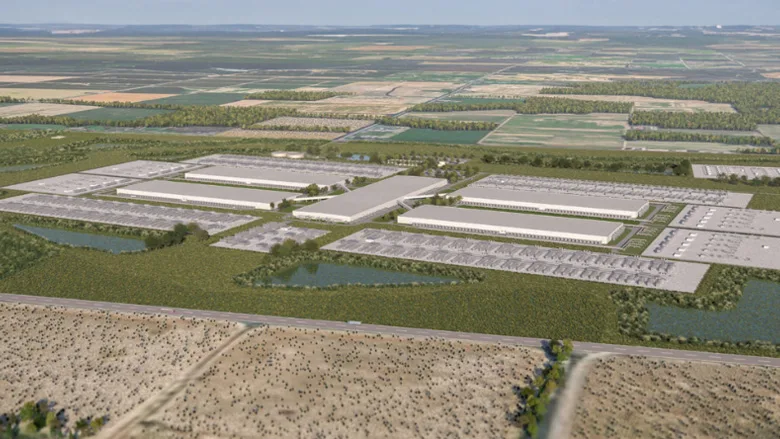
The Environmental Protection Agency (EPA) has issued new guidance that could make it easier for data centers to generate their own power instead of relying on the public electric grid. The move is part of the Trump administration’s broader push to expand artificial intelligence and data center development across the U.S.
The EPA says this approach could give developers more flexibility while easing some of the strain that large data centers can put on local power grids. But whether it will actually deliver those benefits remains to be seen. The guidance also raises questions about environmental oversight, particularly as more companies could choose to operate their own power generation facilities outside the public grid.
At the center of the EPA’s new guidance is the Clean Air Act’s Acid Rain Program, which regulates certain emissions from power plants.
Under the new guidance, the EPA says the program does not apply to certain power facilities that operate separately from the public electric grid. These are known as “islanded” power generation facilities.
For data center companies, the idea is fairly simple. Instead of depending entirely on the local electric grid, a company could build or use its own power generation to supply electricity directly to its data center.
The EPA says this could give developers more freedom when deciding where to build new data centers and potentially allow projects to move forward more quickly. It could also take some pressure off local electric grids, which may otherwise have to handle the large amounts of electricity needed to run these facilities.
But those benefits are not guaranteed. The EPA announcement explains what the agency believes the guidance could accomplish, but it does not provide data showing how much pressure islanded data centers would actually take off local grids.
There are environmental questions, too. The guidance focuses specifically on the Acid Rain Program and does not provide a broader analysis of how an increase in independently powered data centers could affect emissions, local air quality, electricity costs or nearby communities.
The Trump administration has also connected the new guidance to President Donald Trump’s Ratepayer Protection Pledge. The initiative is based on the idea that companies creating large amounts of new electricity demand should be responsible for the cost of meeting that demand.
Companies that sign the pledge agree to build, bring or buy the energy needed to power their facilities. They also commit to paying the full cost of that energy and the infrastructure needed to support it. According to the administration, those responsibilities also involve utilities, developers and states, all of which can play a role in determining how electricity costs are passed on to customers.
RELATED VIDEO
The basic argument is easy to understand: If a new data center requires a huge amount of electricity and new infrastructure to deliver it, families and other ratepayers should not be expected to pick up the bill.
Whether the pledge will actually keep household electricity bills from rising is another question. The EPA announcement explains what participating companies are promising to do, but it does not provide evidence showing how much the pledge has affected electricity rates so far.
EPA Assistant Administrator for Air and Radiation Aaron Szabo said the guidance is intended to support the administration’s AI goals while also protecting consumers from higher energy costs.
“Ensuring that the United States maintains our artificial intelligence dominance is essential to national security and economic prosperity. At the same time, it is equally important that we safeguard our communities from utility price hikes,” Szabo said.
“This guidance will provide an avenue to do both. EPA is proud to further the President’s agenda through commonsense approaches to regulating,” he added.
The reasoning behind the EPA’s decision comes down to how the agency interprets the Acid Rain Program.
According to the EPA, the program applies to facilities that sell electricity or are required to report as generating units to the U.S. Department of Energy. Islanded facilities generally do neither, according to the agency. Because of that, the EPA concluded that these facilities fall outside the Acid Rain Program.
That could make building independent power generation more appealing to data center developers.
Still, the guidance does not mean these power facilities are automatically free from environmental rules. The EPA’s announcement deals specifically with the Acid Rain Program. It does not say that islanded power facilities are exempt from every other environmental regulation or Clean Air Act requirement that could apply.
That distinction is important because there are still unanswered questions about what a shift toward more independent power generation could look like.
For example, the EPA announcement does not say what types of power generation companies are expected to use, how many new generating facilities could be built because of the guidance or how those facilities could affect emissions. Without those details, it is difficult to know what the larger environmental impact might be.
There is another catch for developers. A facility’s regulatory status could change if it eventually connects to the public grid.
The EPA says that if an islanded power facility later connects to the grid, it may then become subject to the Acid Rain Program. In other words, a facility that qualifies for different treatment while operating independently may not keep that status if its relationship with the grid changes.
For data center developers, the guidance provides another option for securing the massive amounts of electricity their facilities require. For the Trump administration, it fits into a broader effort to expand U.S. AI infrastructure while pushing developers to cover more of their own energy costs.
For communities, however, the effects are harder to predict.
Keeping a data center and its power generation separate from the public grid could reduce some pressure on existing electricity infrastructure. But generating that electricity somewhere else does not make the environmental effects of producing it disappear.
Much will depend on what types of power facilities developers choose to build, where they are located and what other environmental rules apply to them.
For now, the EPA’s guidance gives developers a clearer understanding of how one federal program applies to independently powered data centers. Whether the policy ultimately leads to faster development without higher costs or additional environmental concerns for surrounding communities remains to be seen.
Looking for a reprint of this article?
From high-res PDFs to custom plaques, order your copy today!

John Oldani is an editor, journalist, and reporter with over a decade of experience producing clear, engaging, and well-researched content. He holds a Bachelor of Arts in Journalism from Oakland University, with a focus on financial reporting, editing, and long-form writing. Over the past year, John has specialized in covering the drilling industry, reporting on key developments, policy shifts, and impactful stories shaping the field.
email: johnnyoldaniwords@gmail.com | office: (248) 838-8535