Deregulation is here. Are drillers ready for the liability?
In 2026, navigating an expedited regulatory landscape is the cost of speed
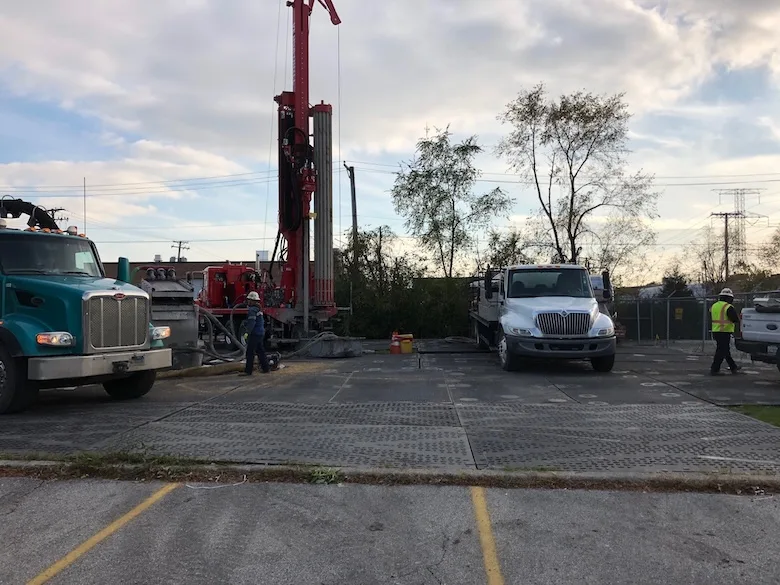
For drillers, few phrases have carried as much weight, or as much baggage, as "Drill, baby, drill". To hear it today, one might assume it was a direct reaction to the regulatory expansion of the Obama years. However, the history is more nuanced. The chant was born in the heat of the 2008 Republican National Convention, coined by Michael Steele and popularized by the McCain-Palin ticket. It emerged as a rallying cry for US energy independence long before the current debates over permitting reform reached the floor of Congress.
Everything changed in April 2010 with the Deepwater Horizon tragedy. It forced the Obama administration to find the "middle ground" of responsible exploration and energy independence. The Deepwater Horizon failure and investigation ushered in an era of federal oversight, complex environmental reviews, and the "red tape" that has defined the entire drilling business for the last decade and a half. We learned to live with the paperwork, the multi-year permitting cycles, and the bonding requirements that prioritized caution above all else.
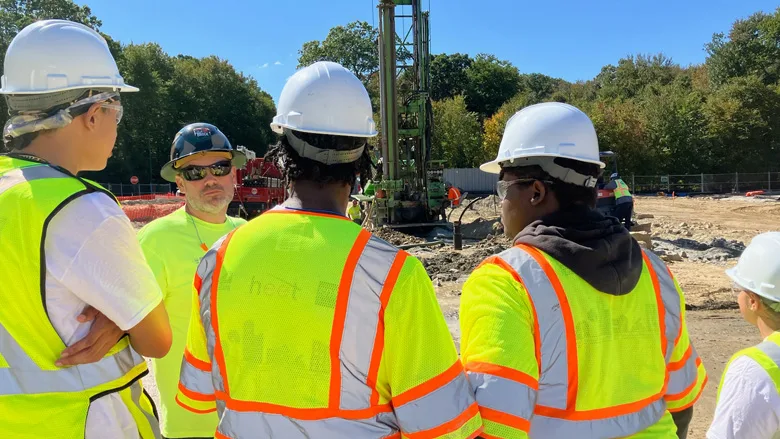
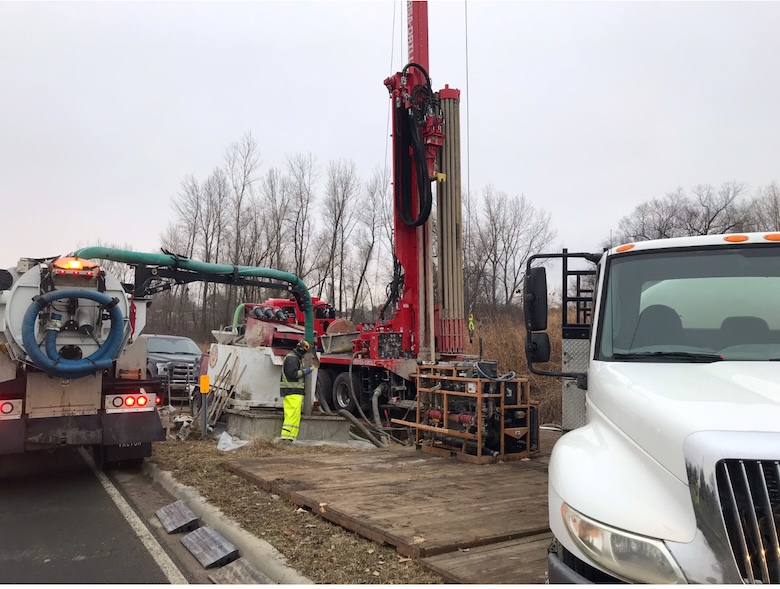 Drillers are still facing the fallout of the notion of "Drill baby, drill." / Brock Yordy
But as of June 2026, the pendulum has swung back. With the federal push toward "Energy Dominance," we are seeing a massive reduction in oversight. Bonding requirements are plummeting from $500,000 back to $25,000, and public comment periods for critical infrastructure are being compressed to just 10 days. On paper, this is the streamlining the industry has been chasing since 2008. It promises faster mobilization, lower entry costs, and a significant boost to our bottom lines.
"Speed masks risk and accountability."
However, as business owners, we need to be clear-eyed about the trade-off. We are trading the bureaucratic oversight of the last fifteen years for operational accountability. When you remove the regulator's review, you do not eliminate the site's geological or environmental risks; you transfer the responsibility for managing them entirely onto your company's shoulders.
The "Speed" Advantage: A Catalyst for Diversification
While this deregulation impacts the entire energy sector, for the water well or construction firm looking to pivot, this is a unique window of opportunity. Whether you are bidding on cathodic protection for utility pipelines, installing geothermal loops, or drilling pilings for utility-scale solar, the reduction in federal red tape lowers your barrier to entry.
- Financial Liquidity: The cash freed up by reduced bonding requirements provides significant working capital. For an independent contractor, that is cash that can be put toward upgrading equipment, investing in advanced downhole software, or funding workforce training required to meet demand.
- The Velocity of Business: In the world of infrastructure, time is the single largest cost center. Shorter permitting timelines mean we can keep rigs operating and your crew billable, rather than equipment sitting and waiting for project approval through permitting and feasibility. In this climate, the "fast movers" who can mobilize for a project in weeks rather than months will capture the lion's share of the market. Capturing this market requires maximizing rig utilization and strategically expanding your fleet.
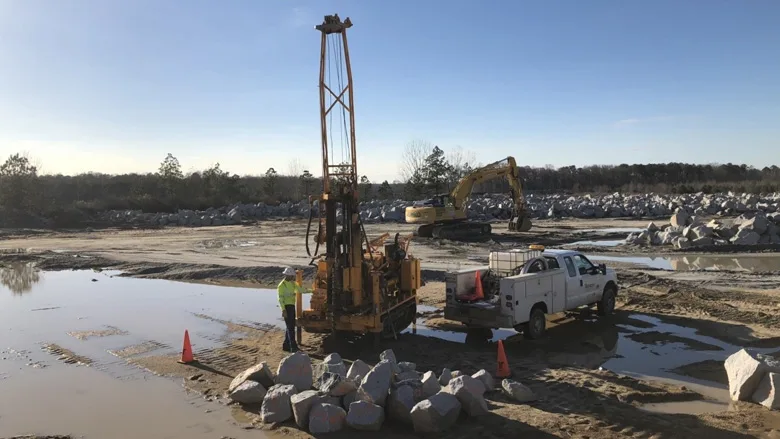
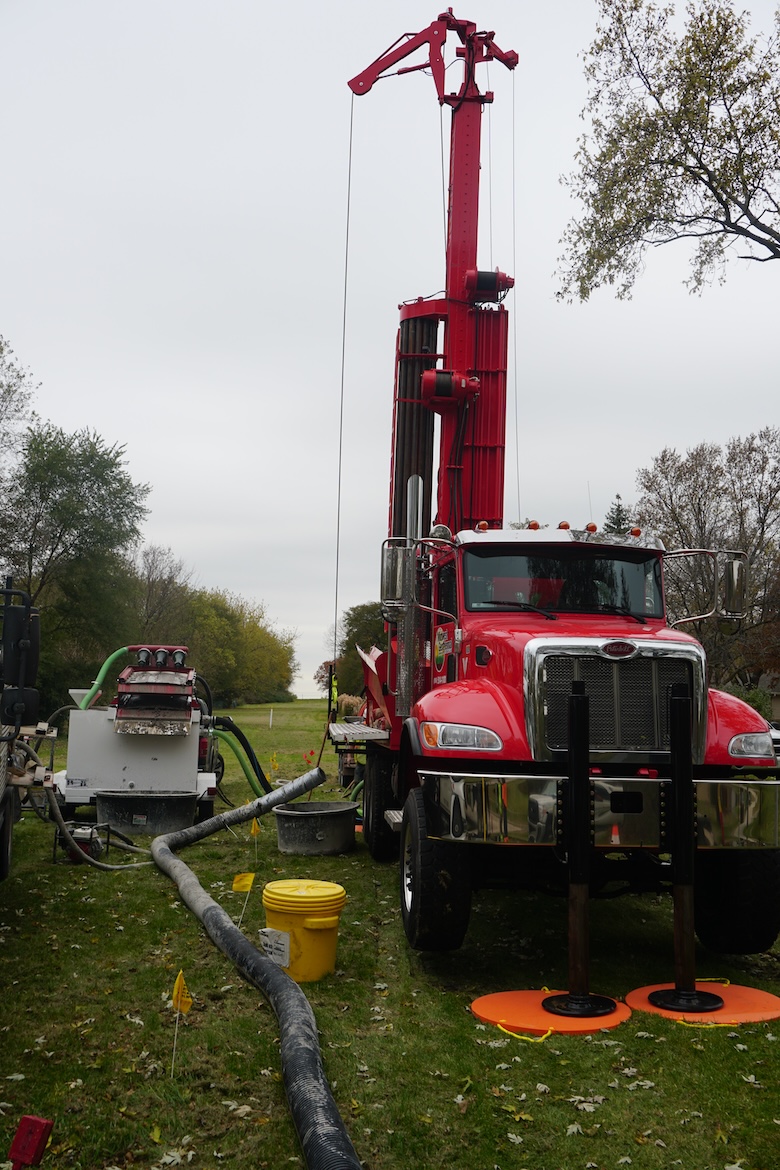 Contractors should ask if losing oversight makes it harder to catch issues / Courtesy: Brock Yordy
The Hidden "Cost:" Liability in an Accelerated Market
Here is my professional stance: Speed masks risk and accountability.
When the regulatory process is shortened, the "buffer" that public hearings and extended environmental reviews provided is gone. If a project in 2026 hits a groundwater contamination issue or a subsurface failure, there is no longer a multi-year audit trail to prove you were following a prescribed, agency-approved playbook. In this new climate, your internal project design, your site assessment, and your documentation become your only defense.
If you are a contractor, you need to ask yourself: If I lose the oversight that used to catch my mistakes, am I building enough rigor into my own business processes to catch them myself?
Furthermore, a lack of accountability opens the door to the management of processes by experts outside your business, forcing their opinions and sowing doubt regarding your company's ability to operate safely and protect the environment.
"In a 'high-speed' regulatory environment, integrity is a marketing tool." "The government may be removing the handcuffs, but the laws of physics and the requirements of environmental stewardship remain unchanged."
The New Differentiator: Professionalism as a Product
In a "high-speed" regulatory environment, integrity is a marketing tool. As federal oversight pulls back, firms that maintain higher internal safety and environmental standards will emerge as the preferred partners for major utilities and high-end clients. These clients cannot afford the liability of a "low-regulation" contractor. They want speed, but they demand certainty.
This is your opportunity to pivot your business from a "production driller" to an "infrastructure partner".
- The Private Audit Trail: Offer your clients a "Digital Completion Package". Include site-specific geological analysis, real-time grouting data, full downhole evaluation logs, borehole placement/completion location, and high-fidelity video logs of the borehole when appropriate. By documenting your work to a standard higher than what the law requires, you protect your client from future liability and yourself from future litigation.
- Early Conflict Head-Off: Experienced drillers know that early community engagement prevents the litigation that shuts a job down. Even with a 10-day comment period, take the initiative to communicate with local stakeholders before the rig arrives proactively.
- The Driller's Oath to Protecting All Environments: Ultimately, the "Cost of Speed" is a test of our industry's ethics. We can either treat this deregulation as a license to cut corners or as a mandate to prove our professional competence.
The Bottom line
The government may be removing the handcuffs, but the laws of physics and the requirements of environmental stewardship remain unchanged. The most successful companies in 2027 and beyond will be those that use the new flexibility to grow while maintaining their internal standards, the quality of the downhole environment, the accuracy of the completion logs, and their commitment to protecting the aquifer, as stringent as ever.
We are entering an era where your reputation will be built not by how quickly you can finish, but by how reliably you can deliver. To be profitable, we must keep our equipment utilization as high as possible, but today, the documentation we deliver is just as important as the resources we provide. In this market, that is the only way to ensure you are the one still standing when the next regulatory pendulum inevitably swings back.
Looking for a reprint of this article?
From high-res PDFs to custom plaques, order your copy today!

Brock Yordy, Director of Industry Engagement for The Driller, is a third-generation driller and globally recognized subject matter expert who has written for The Driller since 2013. Driven by a passion for industry education and digital media, he anchors The Driller Newscast and hosts weekly podcasts for the trade. His technical authority is backed by decades of extreme fieldwork worldwide for organizations like Halliburton, SUEZ, and the U.S. Government. Dedicated to ensuring clean water for all and advancing equitable geothermal heating and cooling, Brock actively collaborates with states nationwide through The Developed Well Group and the Geothermal Drillers Association to shape policy, safety, and workforce training.
email: brock@thedriller.com | office: (269) 348-5156