Same Challenges, New Tools
The Unknown Formation
From spring poles to smart rigs, a look at the evolution of water well drilling
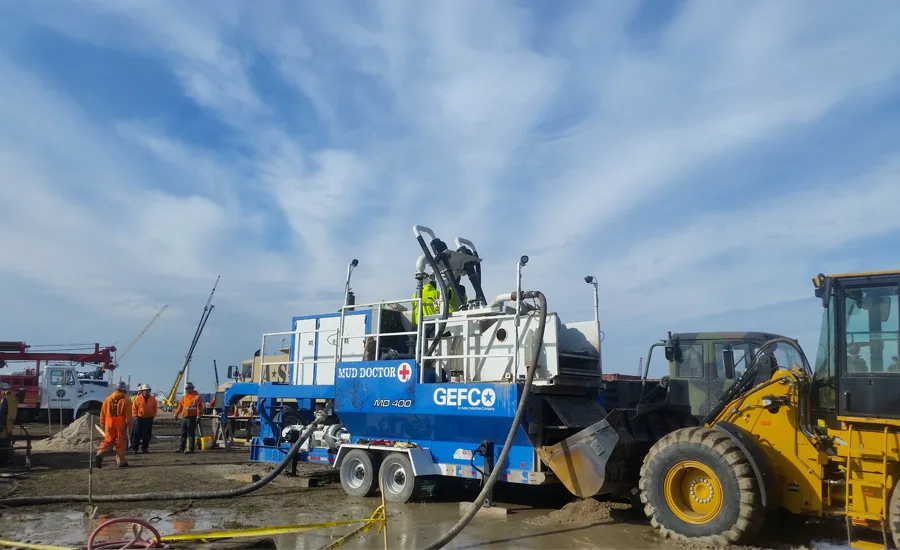
It may not feel like it at the time, but for every water well drilling professional, a chance to solve a problem for the better feels like a win.
Water well drilling has always been an industry built on problem-solving.
Long before modern rigs, GPS systems, and remote diagnostics, drillers were figuring out how to reach resources hidden beneath the ground using little more than determination, ingenuity, and rudimentary tools.
While the equipment has changed dramatically over the years, that mindset remains at the heart of the profession today. What makes drilling different from many other trades is that every job starts with a question mark. Every hole reveals a little more about the layers of soil and rock that have been shaped by millions of years of geological activity.
"When we drill into the ground, we drill into the unknown formation that lies beneath our feet," veteran driller Tony Kraut writes in his reflection on the industry's history.
The challenges of drilling have always driven innovation
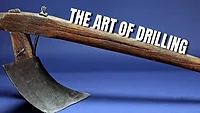
In 1802, Joseph and David Ruffner drilled a 58-foot well in present-day West Virginia using a spring pole rig. The process took 18 months and relied on workers repeatedly driving a heavy tool into the ground using a flexible tree trunk as a spring. By today's standards it sounds almost unimaginable, but at the time it was a breakthrough that helped unlock valuable salt brine deposits and proved what was possible with enough persistence.
Fast forward more than 200 years, and drilling looks very different.
RELATED VIDEO
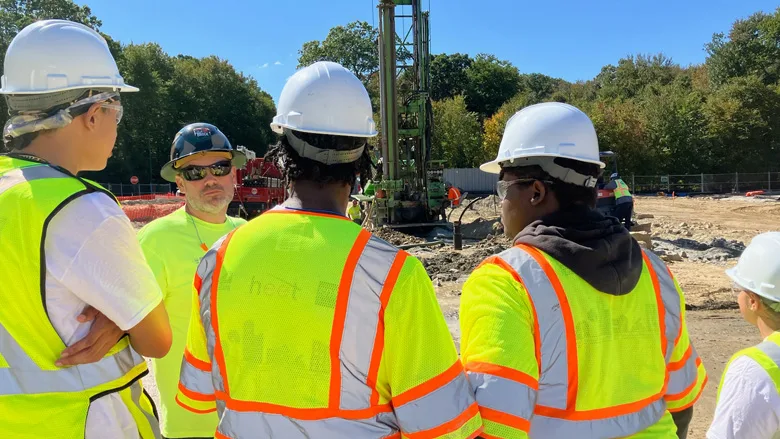
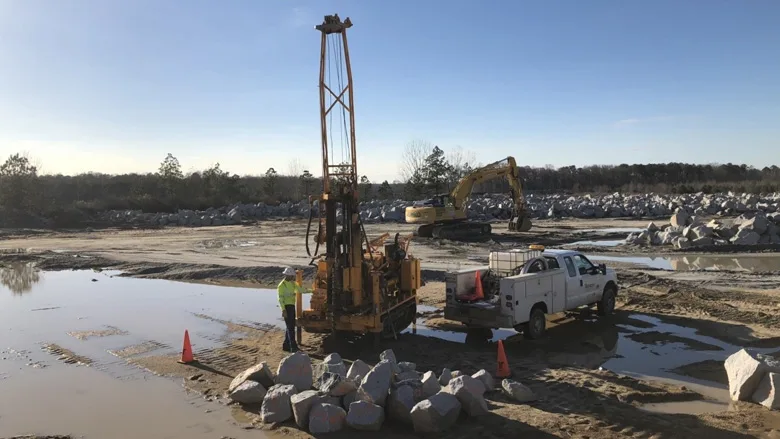
Modern rigs are powerful, versatile, and far more efficient than even their predecessors 20 years ago. A single machine can often perform multiple drilling methods, while advanced hydraulic systems, automated controls, and remote monitoring tools help crews work faster and more safely.
Contractors can track machine performance, maintenance schedules, and jobsite data from a phone or computer instead of relying solely on paper records and manual inspections.
The pace of change has been especially noticeable over the last couple of decades.
Many drillers who entered the industry in the 1980s or 1990s have watched rigs evolve from largely mechanical machines into sophisticated pieces of equipment packed with sensors, electronics, and data systems.
Additionally, GPS technology, machine telemetry, digital well logs, and cloud-based project management platforms have made it easier to communicate between the field and the office while improving efficiency on the jobsite.
Tooling has advanced right alongside the rigs. Modern hammers, bits, casing systems, and under-reamers are designed to drill faster, last longer, and handle increasingly difficult formations. Those improvements save time, reduce wear on equipment, and help contractors stay productive even when conditions are less than ideal.
Innovation isn't just limited to drilling equipment
Advances in pumping systems, water treatment, and chemical management are helping modernize the broader groundwater industry. One recent example comes from Grundfos, which introduced its DDA SMART Digital dosing pump in 2025. The system combines remote monitoring, app-based controls, and built-in diagnostics to improve both safety and efficiency. It's another example of how connected technologies are helping operators work smarter while reducing waste and maintenance demands.
Still, for all the advances in technology, some things haven't changed much at all.
"The primary and unique skill of a driller is the ability of down-hole problem solving in the blind," Kraut writes.
Unlike an excavator operator who can see exactly what the bucket is doing, drillers must interpret what's happening hundreds of feet below ground through sound, vibration, tool response, and the material coming back to the surface. Experienced drillers learn to recognize subtle changes that signal a different formation, a potential problem, or a new opportunity.
Technology helps, but it hasn't replaced experience
Digital instrumentation provides more information than ever before, yet successful drilling still depends on the judgment of the person running the rig. Knowing when to change techniques, when to slow down, or when something doesn't feel right remains a skill that can only be learned through experience.
Safety has improved significantly as well. Automated rod handlers, improved guarding, better visibility, and more ergonomic controls have helped reduce physical strain on crews while making job sites safer.
For Kraut, one of the most rewarding parts of drilling has always been the discoveries hidden below the surface. He recalls drilling wells in Montana and encountering massive buried boulders that were later linked to the ancient floods of Glacial Lake Missoula. Experiences like that serve as a reminder that every well tells a story.
Perhaps that's why drilling continues to attract people who enjoy solving problems. Every difficult formation, stuck tool, and challenging well creates an opportunity to learn something new.
Artificial intelligence, automation, remote diagnostics, and connected equipment will likely continue shaping the industry's future. But the foundation remains the same as it was more than two centuries ago: solving problems, adapting to challenges, and exploring what lies beneath our feet.
The tools may be different, but the spirit of innovation that built the industry is still going strong.
Looking for a reprint of this article?
From high-res PDFs to custom plaques, order your copy today!

John Oldani is an editor, journalist, and reporter with over a decade of experience producing clear, engaging, and well-researched content. He holds a Bachelor of Arts in Journalism from Oakland University, with a focus on financial reporting, editing, and long-form writing. Over the past year, John has specialized in covering the drilling industry, reporting on key developments, policy shifts, and impactful stories shaping the field.
email: johnnyoldaniwords@gmail.com | office: (248) 838-8535