Thanks to fracking, this geothermal project in Utah just hit a major milestone
Hydraulic fracturing was an oil and gas thing, but those techniques are diving into exploratory ways to harness heat
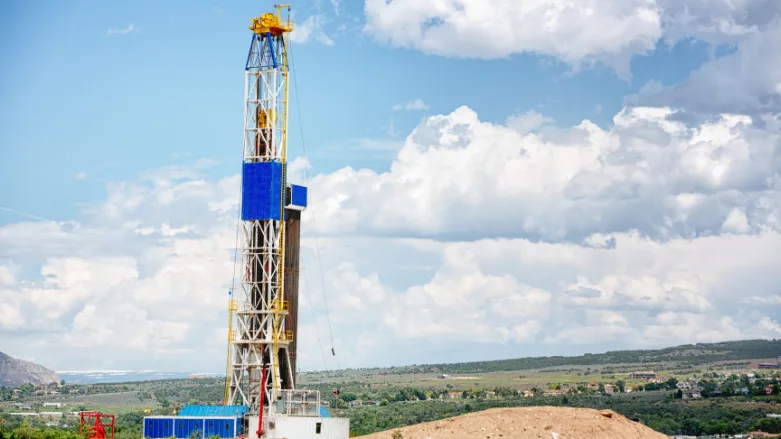
For decades, hydraulic fracturing has been associated with oil and gas development. The technology helped unlock massive shale reserves across the United States and transformed the country's energy landscape.
Now, some of those same drilling techniques are being used for a different resource entirely: heat.
In Beaver County, Utah, Fervo Energy recently announced that a single well at its Cape Station project exceeded 10 megawatts of power production during testing, a milestone the company says represents the most productive enhanced geothermal system well drilled to date.
Located roughly 12 miles northeast of Milford, Cape Station is being developed as a 500-megawatt enhanced geothermal project. When complete, it is expected to become one of the largest next-generation geothermal developments in the world, providing around-the-clock electricity without relying on sunshine or wind conditions.
For the drilling industry, the project offers another example of how technologies and expertise developed in oil and gas are finding applications in emerging energy sectors.
Oilfield experience meets geothermal development
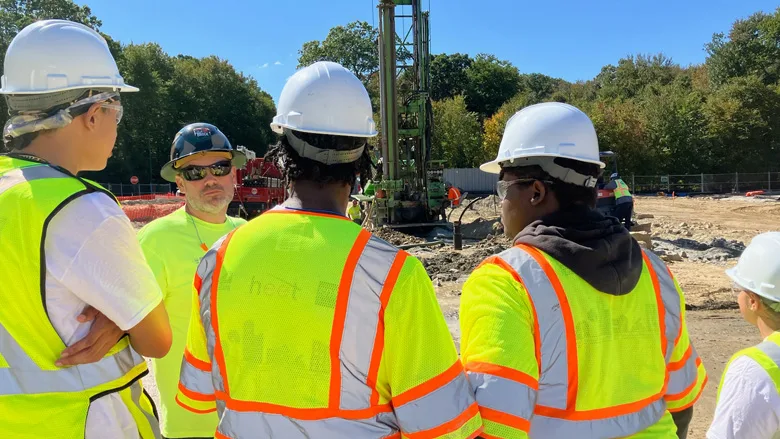
Fervo reports that more than 90% of the labor hours worked on-site have been performed by individuals with backgrounds in the oil and gas industry.
That crossover is no accident.
Enhanced geothermal systems, often referred to as EGS, rely heavily on directional drilling, horizontal well construction, reservoir engineering, and hydraulic fracturing techniques that have been refined over decades in the petroleum sector.
Fervo's leadership team also has roots in the oilfield. CEO and co-founder Tim Latimer previously worked as a drilling engineer in the oil and gas industry before launching the company. Rather than developing an entirely new workforce, Fervo has partnered with existing oilfield service providers and contractors. The company has also supported workforce development efforts, including a geothermal apprenticeship program launched with Southern Utah University.
According to Fervo, construction of Cape Station is expected to support approximately 6,600 construction jobs and 160 long-term positions while generating hundreds of millions of dollars in wages throughout the project's development.
Expanding geothermal beyond traditional resources
Traditional geothermal power plants depend on naturally occurring reservoirs of hot water or steam. While highly effective where those resources exist, suitable locations are relatively limited.
Enhanced geothermal systems aim to expand the technology's reach by creating reservoirs where none previously existed.
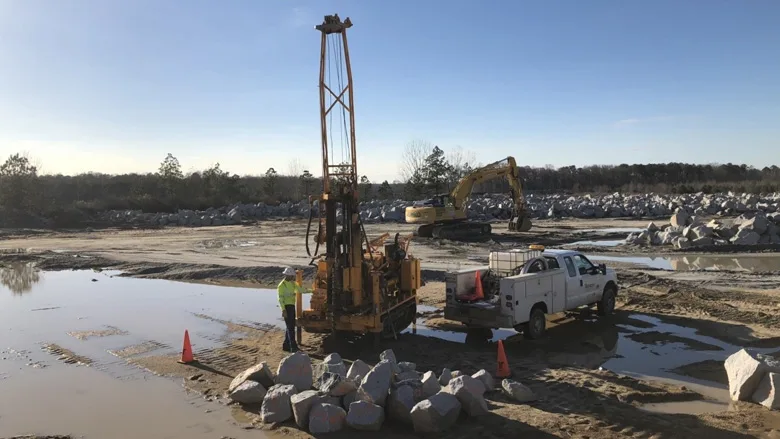
At Cape Station, crews drill into deep hot rock formations, then use hydraulic fracturing to create pathways that allow water to circulate through the reservoir. Water is injected underground, heated by the surrounding rock, and returned to the surface where the heat is used to generate electricity. The water is then reinjected, creating a closed-loop system.
The temperatures encountered at Cape Station are substantial. Fervo has reported reservoir temperatures exceeding 428 degrees Fahrenheit, providing the heat needed to support commercial-scale power production.
Supporters of EGS believe the technology could dramatically expand geothermal development across large portions of the western United States, where suitable hot rock resources exist but natural geothermal reservoirs do not.
The latest production results highlight how quickly geothermal drilling performance has evolved.
During a 30-day flow test, one Cape Station well achieved a peak flow rate of 107 kilograms per second, producing enough thermal energy to support more than 10 megawatts of electricity generation.
According to the company, that output is roughly three times greater than what was achieved at its earlier Project Red demonstration project in Nevada.
Fervo has also reported significant improvements in drilling efficiency. The company says drilling times have fallen by approximately 70% compared to its earliest wells, with the fastest Cape Station well completed in 21 days. Well costs have also declined as crews continue refining drilling and completion practices.
Those improvements helped drive a major project expansion. In 2025, Fervo increased Cape Station's planned capacity from 400 megawatts to 500 megawatts without adding additional wells, citing improvements in well design, reservoir development, and subsurface monitoring.
Growing demand for firm power
Unlike solar and wind generation, geothermal facilities can operate continuously, making them attractive to utilities and large energy users seeking dependable power supplies.
Cape Station's output has already been contracted through a series of power purchase agreements. Southern California Edison is the project's largest customer, while Shell Energy and several California community choice aggregators have also secured portions of the plant's future generation.
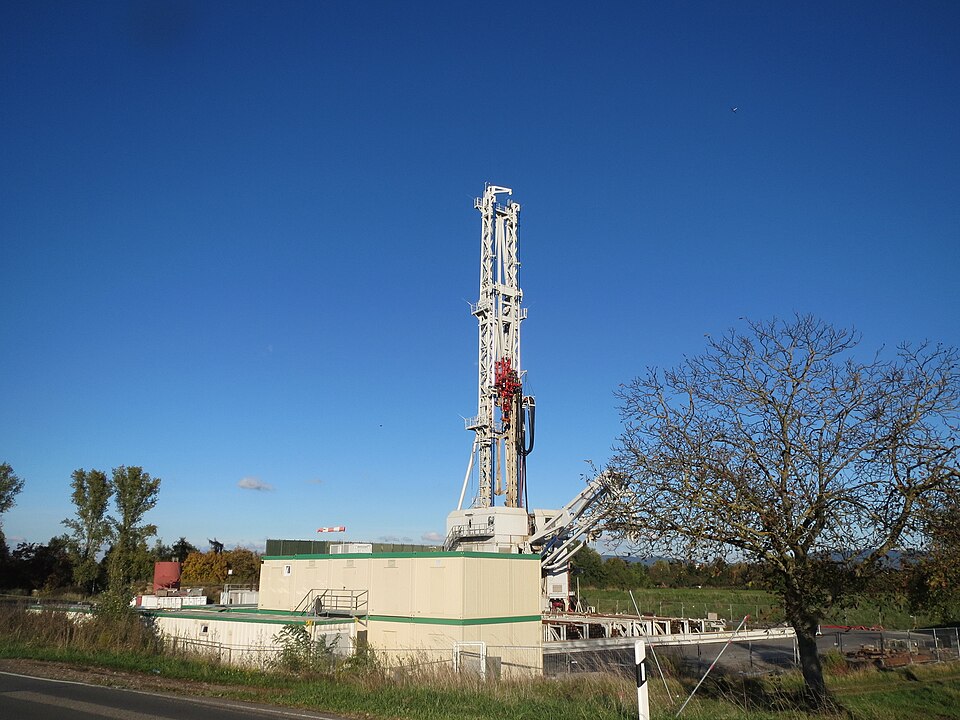 As geothermal drilling continues many are hopeful, it can become a more mainstream form of energy / Wikimedia Commons
Phase I is expected to begin delivering power later this year, with approximately 100 megawatts online by early 2027. The remaining capacity is scheduled to come online by 2028.
Interest in geothermal has also grown alongside increasing electricity demand from data centers and artificial intelligence infrastructure. Google has previously partnered with Fervo on geothermal projects, including its earlier Nevada development.
A new market for drilling contractors?
While questions remain about how quickly enhanced geothermal can scale nationwide, projects like Cape Station are attracting attention throughout the drilling industry.
Many of the skills required to develop EGS projects already exist within the oil and gas workforce. The rigs, drilling techniques, reservoir expertise, and completion technologies used to access hydrocarbons can often be adapted to access underground heat.
For drilling contractors looking beyond traditional markets, geothermal may represent one of the clearest examples of how existing expertise can be applied to a growing segment of the energy industry.
Whether enhanced geothermal ultimately becomes a major contributor to the nation's power grid remains to be seen. But in the Utah desert, the industry is demonstrating that the same technologies once used to unlock shale oil can also be used to tap a different resource buried deep underground.
Ground2Grid, The Driller's Thermal Energy Summit is coming June 2027! Here's what you need to know.
Looking for a reprint of this article?
From high-res PDFs to custom plaques, order your copy today!

John Oldani is an editor, journalist, and reporter with over a decade of experience producing clear, engaging, and well-researched content. He holds a Bachelor of Arts in Journalism from Oakland University, with a focus on financial reporting, editing, and long-form writing. Over the past year, John has specialized in covering the drilling industry, reporting on key developments, policy shifts, and impactful stories shaping the field.
email: johnnyoldaniwords@gmail.com | office: (248) 838-8535