
Fervo Energy Hits New Milestone with Hottest Geothermal Well Yet in Utah
Temperatures recorded at the site, known as Project Blanford, exceeded 555°F
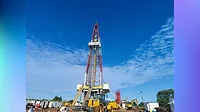
Image via Xurzon from Getty Images
Fervo Energy has reached a new milestone in its geothermal development efforts, drilling the hottest well in its history at a new site in Millard County, Utah. Temperatures recorded at the site, known as Project Blanford, exceeded 555°F at a depth of around 11,200 feet—well above the threshold for commercial viability.
The well is part of an early-stage exploration effort aimed at assessing the site’s potential for enhanced geothermal systems (EGS). Drilled in under 11 days, the well’s results were announced during the Stanford Geothermal Workshop and reflect what the company describes as a significant step toward scaling next-generation geothermal power.
An independent assessment of the site, based on the appraisal data, suggests it may hold multi-gigawatt potential. A diagnostic fracture injection test was also conducted, confirming that the formation can be stimulated and offering additional reservoir data for future planning.
Fervo’s team credited AI-enabled exploration tools with helping to identify and refine the drilling target. The company has been investing in data analytics and geophysical modeling as part of its broader development strategy. In this case, the target formation is a sedimentary basin—a contrast to the granite formations more commonly associated with geothermal development. Sedimentary rock is generally easier and less costly to drill, which could expand the range of viable geothermal locations if results continue to hold.
This latest well follows a trend of increasing temperatures across Fervo’s project sites, rising from 365°F at Project Red, to 400°F at Cape Station, and now over 555°F at Blanford. Higher resource temperatures typically translate into more efficient power production, which could improve the economics of geothermal energy overall.
While the findings at Project Blanford are early-stage, they signal potential for future development. The results also contribute to a growing conversation about the role of geothermal energy in meeting long-term clean energy goals—especially technologies like EGS that could broaden where and how geothermal power is deployed.
Looking for a reprint of this article?
From high-res PDFs to custom plaques, order your copy today!

.webp?height=200&t=1782917333&width=200 "Frackingimage (1).png")

