Illinois has the money to plug orphan wells. So why are so many still sitting idle?
The capital investment to remediate many of the state's orphan wells is there. Still, the work isn't getting done,
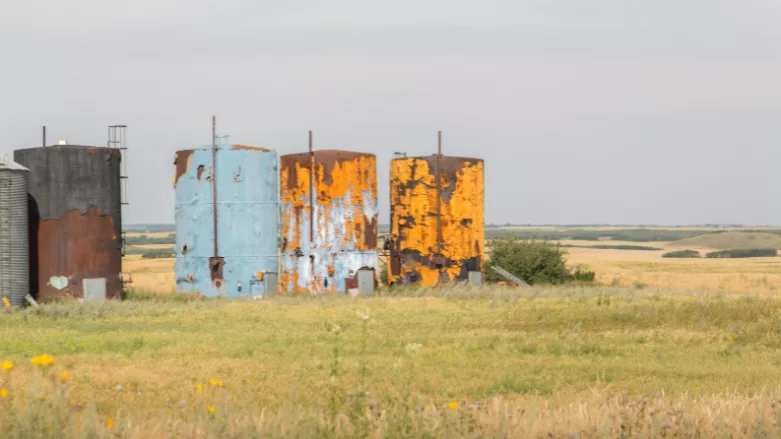
For years, Illinois officials have pointed to orphan well remediation as a priority.
State regulators have repeatedly highlighted their efforts to address abandoned oil and gas wells. Hundreds of wells have been plugged since 2021.
Yet across central and southern Illinois, landowners are still waiting.
Some have been waiting for decades.
A recent investigation by the Chicago Tribune shined a spotlight on a growing frustration among property owners and environmental advocates: despite millions of dollars in available funding and years of regulatory attention, thousands of abandoned wells remain scattered across the state, leaving taxpayers, rather than operators, increasingly on the hook for cleanup costs.
Illinois currently has nearly 3,900 orphaned or abandoned oil and gas wells on its books. State estimates place the cost of plugging them at roughly $155 million. While the Illinois Department of Natural Resources says it has plugged more than 700 wells using federal orphan well funding since 2021, the pace of remediation remains slow compared to the size of the problem.
The story of James Myers, a farmer in Christian County, illustrates the challenge.
According to the Tribune, four abandoned oil wells have sat on Myers' property for roughly a decade. During that time, he has dealt with damaged farmland, leaking fluids, deteriorating equipment, and an open pit originally used to store saltwater produced during oil operations. The wells are among nearly 200 once operated by Duncan Oil Company, which has been involved in regulatory disputes with the state for more than 20 years.
What makes the situation particularly frustrating is that this is not a case of a long-defunct company disappearing overnight.
Illinois regulators successfully challenged an attempted transfer of many Duncan Oil wells in the early 2000s, arguing that the company had failed to meet its plugging obligations. Settlement agreements required wells to be cleaned up, penalties to be paid, and deadlines to be met. Yet more than two decades later, several of those same wells remain unplugged, and some have ultimately landed on the state's orphan well list anyway.
In other words, regulators identified the problem, entered into legal agreements, and spent years negotiating compliance. The wells still weren't plugged.
The Duncan case is hardly unique.
The Tribune also examined wells tied to Vessels Carbon Solutions, a company involved in coal-bed methane projects in southern Illinois. State records show regulators were raising concerns about abandoned and leaking wells years before major cleanup efforts began.
Illinois currently has nearly 3,900 orphaned or abandoned oil and gas wells on its books. State estimates place the cost of plugging them at roughly $155 million
Eventually, the company reached an agreement with the state and plugged dozens of wells, avoiding what could have become millions of dollars in taxpayer-funded remediation costs. Still, many of those wells spent years in regulatory limbo before meaningful action occurred.
The broader issue is that Illinois often appears better at identifying abandoned wells than actually getting them plugged.
Part of the challenge is financial. Plugging old wells is expensive, particularly when operators go bankrupt or disappear. But the Tribune's reporting also points to longstanding issues with enforcement, record keeping, and fee collection that have complicated the state's efforts to reduce its orphan well inventory.
Meanwhile, every year spent waiting creates additional risks.
Unplugged wells can leak oil, saltwater, methane, and other contaminants. Old equipment deteriorates. Open pits and abandoned infrastructure create safety hazards for landowners, livestock, and wildlife. And the longer a well sits untouched, the more expensive cleanup can become.
To Illinois' credit, federal orphan well funding has accelerated remediation efforts compared to previous decades. State officials argue they are plugging wells faster than ever before and prioritizing the most dangerous sites first. That may be true. But for many landowners, progress is difficult to see when abandoned equipment remains on the landscape year after year.
The state now faces a difficult question: can it plug thousands of orphan wells quickly enough to make a meaningful dent in the problem before more wells are added to the list?
For residents like Myers, the answer has felt painfully slow.
After years of phone calls, visits to state offices, and waiting for action, he eventually stopped asking when the wells would be cleaned up.
The wells, meanwhile, are still there.
Looking for a reprint of this article?
From high-res PDFs to custom plaques, order your copy today!

John Oldani is an editor, journalist, and reporter with over a decade of experience producing clear, engaging, and well-researched content. He holds a Bachelor of Arts in Journalism from Oakland University, with a focus on financial reporting, editing, and long-form writing. Over the past year, John has specialized in covering the drilling industry, reporting on key developments, policy shifts, and impactful stories shaping the field.
email: johnnyoldaniwords@gmail.com | office: (248) 838-8535