Three takeaways from May's EPA budget hearing
The agency was back at Capitol Hill earlier this month for another high-stakes hearing. Here are the big points and what affects the drilling industry
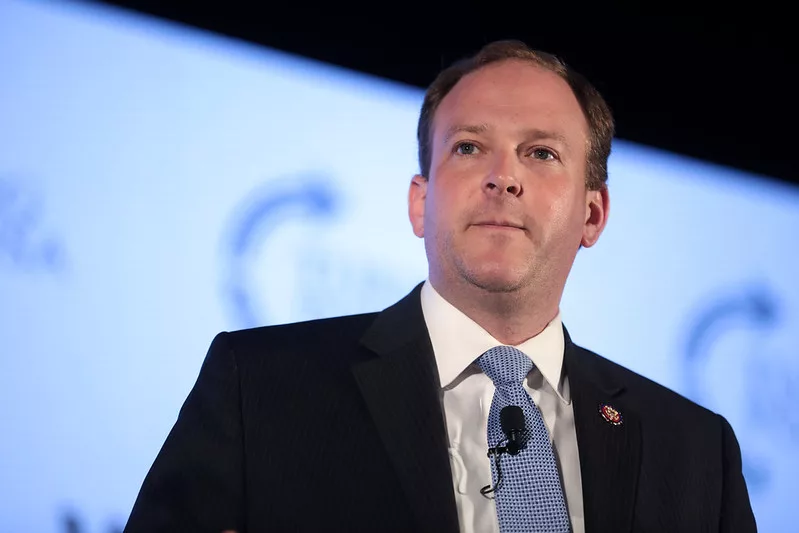
EPA Administrator Lee Zeldin returned to Capitol Hill earlier this month for another high-profile budget hearing, defending the Trump administration’s proposal to dramatically reduce EPA funding while reshaping the agency’s priorities.
The hearing quickly turned tense as senators from both parties questioned whether the EPA could continue handling core responsibilities, including permitting, enforcement, drinking water oversight, and state grant programs, under the proposed cuts. While Zeldin framed the effort as a “back-to-basics” restructuring focused on efficiency and infrastructure, critics warned the reductions could strain an agency already juggling growing environmental and industrial demands.
The following were perhaps the biggest takeaways...
I. The Trump Administration wants to shrink EPA funding by more than half
The administration’s proposed fiscal 2027 budget would reduce EPA funding to approximately $4.2 billion, representing a cut of more than 50% from current enacted levels.
Democratic lawmakers sharply criticized the proposal, arguing the agency would struggle to maintain enforcement, scientific review, cleanup programs, and environmental monitoring at that funding level. Several senators also raised concerns about how staffing reductions could affect state partnerships and permitting timelines.
Even some Republicans appeared uneasy with the scale of the cuts. Sen. Lisa Murkowski, who chairs the Senate Interior-Environment Appropriations Subcommittee, questioned whether the EPA could realistically carry out its core responsibilities with such a reduced budget, despite expressing support for parts of Zeldin’s regulatory approach.
II. Zeldin continued defending a “Back-to-Basics” EPA
Throughout the hearing, Zeldin argued the EPA should focus more narrowly on what he described as its core statutory mission: clean air, clean water, permitting efficiency, and infrastructure support.
The administration has increasingly framed the EPA as an agency that should prioritize industrial growth, domestic energy production, and infrastructure expansion while reducing what it views as regulatory overreach. That broader strategy has already shown up in recent initiatives tied to water reuse, permitting reform, carbon storage approvals, and efforts to streamline environmental reviews.
Zeldin repeatedly emphasized efficiency and argued states should play a larger role in environmental oversight. Critics, however, warned that shifting more responsibility to states while simultaneously reducing federal support could create uneven enforcement and regulatory gaps across the country.
III. Staffing, enforcement, and permitting remain major questions
A major theme throughout the hearing was whether the EPA could continue handling enforcement actions, grant administration, permitting reviews, and technical assistance programs with fewer employees and less funding.
Lawmakers pressed Zeldin on how cuts could affect areas already facing growing pressure, including PFAS regulation, water infrastructure modernization, carbon capture permitting, Superfund oversight, and industrial wastewater management. Some senators also warned that staffing shortages could actually slow permitting, an issue the administration says it wants to improve.
The hearing highlighted the balancing act the EPA continues facing in 2026. On one side is the push for faster energy, manufacturing, and infrastructure development. On the other is the question of how much oversight and staffing are needed to manage increasingly complex environmental challenges.
Congress still has a long way to go before a final budget is approved, and many of the proposed cuts will likely face resistance along the way. Still, Wednesday’s hearing offered one of the clearest looks yet at how the administration wants the EPA to operate moving forward.
Why this matters for the drilling industry
For drilling contractors and energy developers, some suggest that the outcome of these budget discussions could have a direct impact on permitting timelines, water infrastructure funding, carbon storage projects, geothermal development, and regulatory oversight moving forward. A smaller EPA could mean that industry groups and state agencies may face added uncertainty if staffing shortages slow technical reviews, environmental permitting, or grant administration (not to mention the direct environmental impact of a smaller EPA).
As geothermal, carbon capture, groundwater, and industrial water reuse projects continue expanding nationwide, many in the drilling sector will be watching closely to see how the agency balances these drastic changes.
Looking for a reprint of this article?
From high-res PDFs to custom plaques, order your copy today!

John Oldani is an editor, journalist, and reporter with over a decade of experience producing clear, engaging, and well-researched content. He holds a Bachelor of Arts in Journalism from Oakland University, with a focus on financial reporting, editing, and long-form writing. Over the past year, John has specialized in covering the drilling industry, reporting on key developments, policy shifts, and impactful stories shaping the field.
email: johnnyoldaniwords@gmail.com | office: (248) 838-8535