Episode 156 – The Driller Newscast
From Textbooks to the Boreholes
Bridging Engineering and Field Reality in Geothermal Drilling
Overview:
In Episode 156 of The Driller Newscast, host Brock Yordy sits down with Dan Sergison, Geothermal Discipline Manager at Salas O'Brien, to explore how the geothermal industry can better bridge the critical gap between engineering design and field execution. Dan recounts his journey from Drexel University to the job site, explaining how his early exposure to groundwater remediation and "pump and treat" systems taught him that successful designs rely on practical driller input rather than just textbook theory.
Key points:
- Dan’s path from Drexel University to the jobsite
- Lessons from groundwater remediation and “pump and treat” work
- Why designs fail when they ignore driller realities
- The need to “tear down walls” between engineers and drillers
- Encouraging young engineers to ask questions (even the “stupid” ones)
- More field internships to learn mud, geology, and rig limits
- A call to blend engineered specs with tribal drilling knowledge
▶ Listen on the Go
Read on for a more detailed recap of our discussion this week.
In this episode of The Driller Newscast, host Brock Yordy chats with Dan Sergison, Geothermal Discipline Manager at Salas O’Brien, in an episode that hits home for anyone who's ever realized that real-world problem-solving doesn’t always come from a textbook.
Dan takes listeners on a journey from the lecture halls of Drexel University to the muddy, noisy, hands-on world of the jobsite, highlighting a critical disconnect that the geothermal industry is still learning to overcome: the gap between engineering design and field execution.
Dan’s early career was shaped not just by academic knowledge but by real-world experiences in groundwater remediation, especially working with “pump and treat” systems. For those unfamiliar, these systems are used to clean up contaminated groundwater by pumping it out, treating it, and then re-injecting it or disposing of it properly. It was in this gritty, detail-heavy field that Dan first realized a key truth: no matter how great a design looks on paper, it only works if it respects the realities of the jobsite.
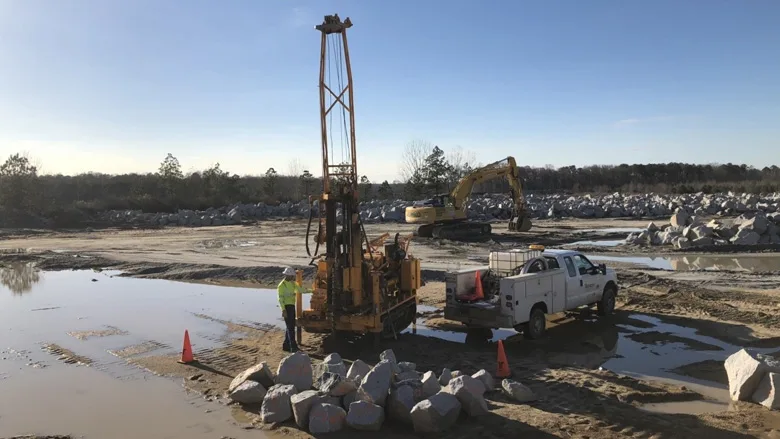
He learned quickly that drilling isn't just about precision calculations, it’s about intuition, experience, and adaptation. Designs that don’t consider what actually happens on the rig floor often fall flat. For example, if an engineer designs a well based on textbook assumptions without considering the limitations of the rig or the actual formation being drilled, the plan can break down fast. And when that happens, it’s the drillers who have to figure out how to make things work, sometimes at the expense of time, budget, and safety.
This brings Dan to one of his core messages: the need to “tear down the walls” between engineers and drillers. Too often, these two worlds operate in silos — engineers design the project, drillers execute it, and neither side truly understands what the other is working with. Dan argues that for geothermal, and really, for any field that involves subsurface work, to grow sustainably and efficiently, this dynamic needs to change. Collaboration shouldn’t just be encouraged; it should be expected.
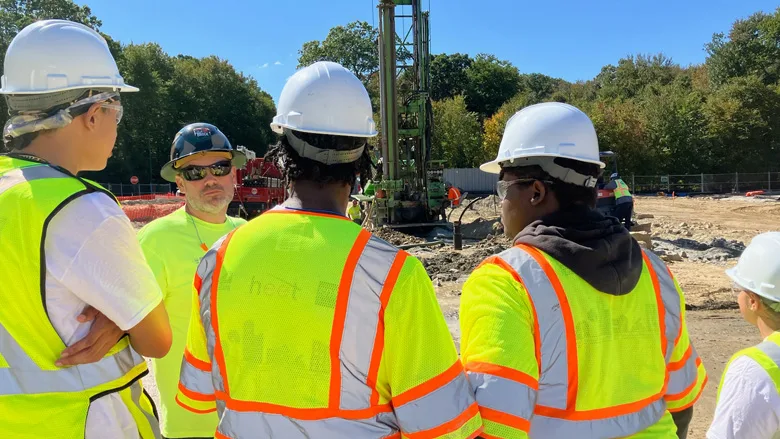
One way to start building this bridge? Let young engineers get their boots dirty. Dan strongly advocates for more field internships and real-world exposure. He believes that every engineer should spend time learning about mud systems, geology, and rig limitations, not from a textbook, but directly from the people who work with them every day. That hands-on experience is irreplaceable and gives engineers the context they need to design smarter, more adaptable systems.
And perhaps most importantly, Dan emphasizes the value of curiosity. He encourages young professionals to ask questions, even the ones that feel “stupid.” In his experience, those questions often lead to the best insights. It’s by asking, listening, and staying open to learning that engineers can gain the kind of tribal knowledge that veteran drillers carry. That’s the knowledge that isn’t written down, but that makes all the difference between a successful borehole and a failed one.
The big takeaway? It’s time to blend engineered specs with practical wisdom. Dan Sergison’s story reminds us that the best geothermal solutions aren’t born in isolation; they’re built through collaboration, mutual respect, and a willingness to learn from each other.
For a deeper dive into Dan’s insights and more on how to align engineering with drilling realities, check out the full episode of The Driller Newscast above.
Thanks for joining us.
Follow Us!
LinkedIn: https://www.linkedin.com/company/thedriller
Twitter: https://twitter.com/theDrillerMag
Facebook: https://www.facebook.com/theDrillerMag
You can also find our show on Apple Podcasts and Spotify.
Brock Yordy, Global Drilling SME, Anchor, and lead content creator at TheDriller.com, wants you to contribute to TheDriller.com. Send news, tips and interview suggestions to questions@askbrock.com.
Looking for a reprint of this article?
From high-res PDFs to custom plaques, order your copy today!

John Oldani is an editor, journalist, and reporter with over a decade of experience producing clear, engaging, and well-researched content. He holds a Bachelor of Arts in Journalism from Oakland University, with a focus on financial reporting, editing, and long-form writing. Over the past year, John has specialized in covering the drilling industry, reporting on key developments, policy shifts, and impactful stories shaping the field.
email: johnnyoldaniwords@gmail.com | office: (248) 838-8535


Brock Yordy, Director of Industry Engagement for The Driller, is a third-generation driller and globally recognized subject matter expert who has written for The Driller since 2013. Driven by a passion for industry education and digital media, he anchors The Driller Newscast and hosts weekly podcasts for the trade. His technical authority is backed by decades of extreme fieldwork worldwide for organizations like Halliburton, SUEZ, and the U.S. Government. Dedicated to ensuring clean water for all and advancing equitable geothermal heating and cooling, Brock actively collaborates with states nationwide through The Developed Well Group and the Geothermal Drillers Association to shape policy, safety, and workforce training.
email: brock@thedriller.com | office: (269) 348-5156