Despite Orders to Close, Colorado Coal Plant Ordered to Stay Online for the Winter
Critics Question Cost and Climate Tradeoffs
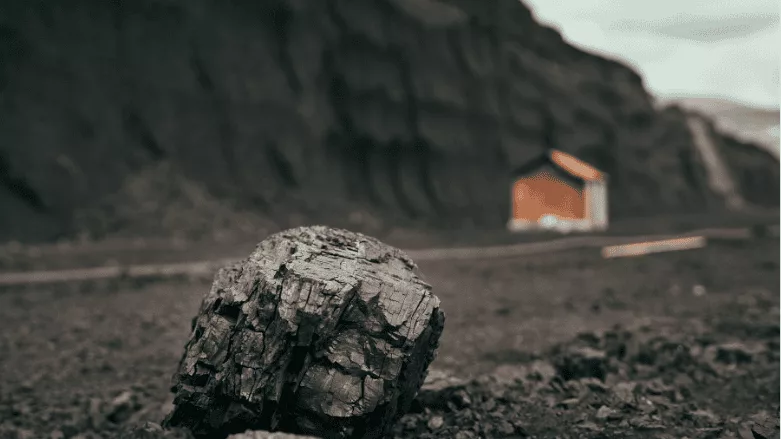
Image via Tyna_Janoch from pixabay
The U.S. Department of Energy issued an emergency order directing multiple utilities and grid entities to ensure Unit 1 at the Craig Station coal plant in Craig, Colorado remains available to operate through the winter. The unit had been previously scheduled to shut down at the end of 2025.
According to the department, the goal is to reduce the risk of blackouts and keep electricity reliable and affordable during winter conditions. The order instructs organizations including Tri State Generation and Transmission Association, Platte River Power Authority, Salt River Project, PacifiCorp, and Xcel Energy, working in coordination with the Western Area Power Administration’s Rocky Mountain Region and Southwest Power Pool West, to take the steps needed to keep the unit ready to run.
This Colorado directive is not an isolated move. Similar emergency orders were issued in late December for coal units in Indiana and earlier in the month for a unit in Washington state, reflecting a broader push to delay planned retirements of coal generation tied to reliability concerns.
Supporters of the order argue that coal plants still provide firm, dispatchable power that can stabilize the grid during extreme cold, when demand spikes and some other resources may be constrained. The department has pointed to its own analysis warning that outages could rise sharply by 2030 if large amounts of reliable generation retire without enough firm replacement capacity.
Still, the practical impact comes down to two questions: whether the region truly needs the extra megawatts to maintain reliability this winter, and who pays to keep the unit available.
Critics often focus on the tradeoffs that come with emergency extensions for coal plants. One concern is cost. Plant owners and cooperatives may have to spend more on repairs, staffing, and fuel to comply with an order, and those expenses can flow back to ratepayers.
Another concern is emissions and long term policy direction. Extending coal operations can conflict with state or utility plans to reduce air pollution and greenhouse gas emissions, and opponents may argue that reliability can be achieved through other tools, such as transmission upgrades, demand response, energy storage, and new firm generation that emits less. The criticism is not always that reliability is unimportant, but that emergency orders can become a default solution instead of a bridge with a clear end point.
Looking for a reprint of this article?
From high-res PDFs to custom plaques, order your copy today!