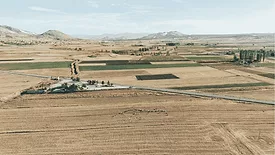
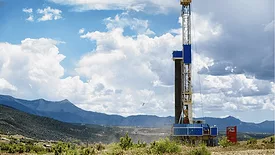
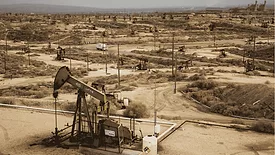
As wastewater volumes surge across West Texas, contaminated wells, rising underground pressure, and limited disposal options are forcing regulators and oil companies to rethink how drilling byproducts are handled.
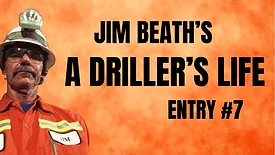
We're lucky to be working in a safety culture. Is it becoming an industry of its own? I'd say yes, and we can’t stop it, nor should we. If we just follow the light that the safety gods shine at our feet, all might be well. Right? Who knows? I do know that if I hadn’t broken my wrist, you wouldn't be reading this.
Geothermal startup Fervo Energy has reportedly filed confidential paperwork for an initial public offering, signaling its next major move as it scales up development of next-generation geothermal projects.
In Episode 156 of The Driller Newscast, host Brock Yordy sits down with Dan Sergison, Geothermal Discipline Manager at Salas O'Brien, to explore how the geothermal industry can better bridge the critical gap between engineering design and field execution.
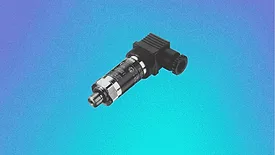
Engineered for hazardous locations, hydrogen systems, and marine sectors, the EXNT 8292 combines certified safety, high performance, and versatile customization to meet the needs of modern industry.
The BLM has revived its effort to open more of California’s public lands to oil extraction. But its strategy has changed little since the agency’s earlier attempt in 2019 and drillers may not be interested.
 RSS
RSS