Fracking Waste Is Piling Up in the Permian
It’s Starting to Threaten Water Supplies
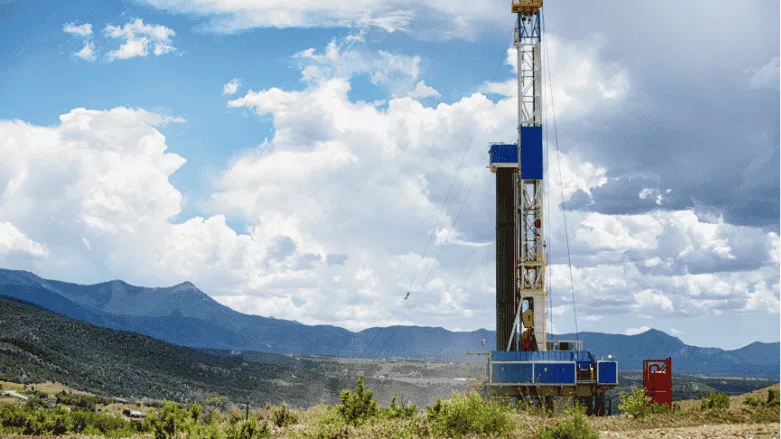
Image via grandriver from Getty Images Signature
As wastewater volumes surge across West Texas, contaminated wells, rising underground pressure, and limited disposal options are forcing regulators and oil companies to rethink how drilling byproducts are handled.
Wastewater from oil and gas drilling is becoming one of the biggest challenges facing the Permian Basin, and the impacts are no longer staying underground.
Across West Texas, ranchers, regulators, and energy companies are grappling with what to do with the massive volumes of contaminated water produced during hydraulic fracturing. The problem is growing so fast that it is now threatening groundwater supplies and could eventually slow oil production itself.
At Antina Ranch in Crane County, the consequences are already visible. The cattle corral that once held 150 head of cattle now sits empty. Water tests from the ranch’s main well found benzene along with high levels of chloride, sulfate, and salt, according to ranch officials. With their water supply no longer safe, the cattle were moved and later sold at auction.
The ranch covers about 22,000 acres roughly an hour southwest of Midland, in the heart of one of the most active oil-producing regions in the country. Hundreds of oil wells, both active and long abandoned, dot the surrounding landscape. Some were drilled decades ago and later plugged with cement. Others have recently been brought back into production as drilling surged across the basin.
Along with that surge has come a flood of wastewater.
Every fracked well produces enormous amounts of salty, chemical-laced water. That wastewater is typically pumped deep underground into disposal wells, a method that has long been considered the easiest and cheapest solution.
But in the Permian, the sheer volume is becoming a problem.
In recent years, abandoned wells across West Texas have begun blowing out, sending water shooting to the surface. In other areas, regulators have detected rising underground pressure beneath old wellbores that were never built to handle today’s disposal loads.
State officials, oil companies, and environmental groups largely agree on what is driving it. Too much wastewater is being injected into limited underground formations.
The Permian Basin has become the most productive oil field in the United States, but that success has created a disposal bottleneck. In many cases, several barrels of wastewater are produced for every barrel of oil that comes out of the ground.
For years, underground injection absorbed the overflow. Now, pressure is building.
Texas regulators have responded by limiting injection volumes in some high-risk zones and shutting down certain disposal wells entirely. The goal is to prevent further pressure increases that could crack rock formations, push contaminants into freshwater zones, or trigger more surface blowouts.
Still, officials admit the system is under strain.
For the oil industry, the stakes are high. Without enough safe disposal capacity, drilling operations could face delays or shutdowns. Wastewater has to go somewhere, and trucking it long distances or treating it for reuse costs far more than pumping it underground.
Some companies are beginning to recycle wastewater for use in future fracking jobs, but that approach requires new infrastructure and does not eliminate the need for disposal altogether.
For landowners and rural communities, the concern is even more personal.
Groundwater is often the primary source of drinking water and livestock supply across West Texas. Once contamination reaches freshwater aquifers, cleanup can be extremely difficult, if not impossible.
Environmental advocates say the wastewater crisis shows the hidden side of the drilling boom, one that does not show up in production numbers or profit reports. Regulators acknowledge they are racing to modernize rules and infrastructure that were designed for much smaller volumes of waste.
Much of the growing pressure in the Permian has been documented by POLITICO's E&E News, which has tracked rising injection pressures, contaminated wells, and emergency regulatory actions across the region.
What is becoming clear is that wastewater is no longer just a byproduct of oil production. It is quickly becoming one of the biggest constraints on the industry’s future.
For ranchers like those at Antina, the damage has already arrived in the form of lost water and lost livelihoods. For regulators, the challenge is preventing today’s disposal practices from turning into long-term groundwater crises.
And for the oil industry, managing wastewater may soon be just as critical as drilling the next productive well.
Looking for a reprint of this article?
From high-res PDFs to custom plaques, order your copy today!