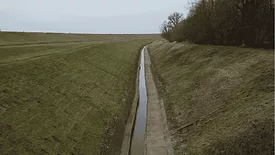
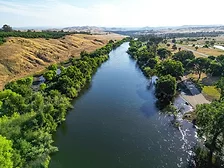
The project, being dubbed “A Vision for the San Joaquin Valley," is a fully integrated strategy with immediate and long term action plans to stabilize water resources
The EPA’s latest update is a step toward making information more accessible. As lead exposure continues to affect homes, schools, andcommunities, clearer guidance could help people take action sooner.
The updated plan reflects a broader shift in how water is managed across
the country - less as a one-time-use resource, and more as something
that can be treated, reused, and reintegrated into the system.
The U.S. Environmental Protection Agency is opening a new round of funding aimed at one of the most persistent challenges in the country’s water sector:
The initiative also reflects growing public concern about what’s in drinking water. By elevating microplastics and pharmaceuticals to priority status, federal agencies are responding to calls for more transparency and stronger oversight of emerging contaminants.
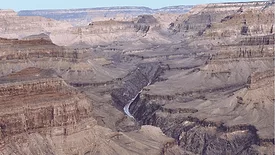
In the West, water has never been just about infrastructure—it’s about priorities, tradeoffs, and how a region plans for an increasingly uncertain future.
The situation is far from over, but the shift in oversight signals a more centralized—and potentially more coordinated—approach to managing the fallout.