
Across the Pond: Thames Water Rescue Plan Gains Momentum With $4.4B Proposal
Lenders step in as utility faces nationalization risk
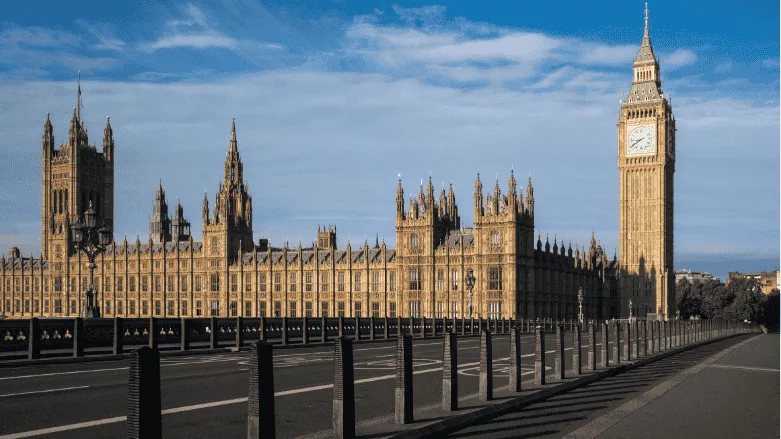
Image via Tina P. from Pexels
Britain’s largest water utility may be inching closer to a financial lifeline.
Lenders to Thames Water have reportedly offered to inject more than $4.4 billion in new equity as part of an accelerated effort to stabilize the struggling company. The proposal, first reported by Sky News, was submitted to industry regulator Ofwat within the past 10 days and represents a significant escalation in attempts to keep the utility afloat.
While the details are still unfolding—and the report has not been independently verified—the move signals growing urgency around a company that has become one of the most closely watched cases in the global water sector.
Thames Water serves roughly 16 million customers across the United Kingdom, making it a critical piece of the country’s infrastructure. But in recent years, the company has been under mounting pressure from multiple fronts.
It is carrying nearly £20 billion in debt. It has faced widespread criticism over sewage discharges and environmental performance. And now, it’s racing against the clock to secure new funding before potentially being pushed into government control.
Without a long-term restructuring deal, Thames Water is expected to enter the U.K.’s special administration regime—a form of temporary nationalization designed to keep essential services running while financial issues are sorted out.
What the Proposal Includes
The latest proposal reportedly comes from a group of creditors that includes major investment firms such as Invesco, Elliott Management, and Silver Point Capital.
Under the plan, lenders would provide £3.35 billion in new equity in exchange for at least a 10% ownership stake in a recapitalized version of the company.
The scale of the offer reflects just how high the stakes have become. According to reports, Thames Water needs hundreds of millions of pounds in near-term funding alone to remain operational.
This isn’t just a long-term restructuring conversation—it’s an immediate liquidity challenge.
Timing is a critical factor.
The company is said to require additional funding by the end of March, leaving only a short window for negotiations between creditors, regulators, and company leadership.
A spokesperson for Thames Water declined to comment directly on the reported proposal but indicated that discussions with stakeholders are ongoing, with a focus on reaching a market-led solution that supports both customers and environmental outcomes.
That balancing act—financial stability, regulatory oversight, and environmental accountability—is at the center of the current situation.
Beyond Thames Water itself, the situation is being watched closely as a test case for the broader water sector.
The company’s struggles have become emblematic of deeper issues facing privatized water utilities, including aging infrastructure, rising costs, environmental scrutiny, and complex financing structures.
For regulators and policymakers, the outcome could influence how future crises are handled—particularly when essential services intersect with private investment.
What Comes Next
For now, the focus remains on whether a deal can be finalized in time.
If creditors and regulators can reach an agreement, the proposed equity injection could provide a path forward—stabilizing the company while buying time for longer-term restructuring.
If not, government intervention becomes increasingly likely.
Either way, the coming weeks will be decisive. And for millions of customers relying on Thames Water every day, the outcome will shape not just the company’s future, but the direction of the U.K.’s water industry as a whole.
Looking for a reprint of this article?
From high-res PDFs to custom plaques, order your copy today!