The suit, filed in Delaware Superior Court, alleges that nine industrial companies near Veolia's Stanton Plant are culpable in creating high levels of PFAS in Delaware's drinking water.
From adsorption testing to injection strategy, experts explain the decisions that help remediation contractors build more effective PFAS containment systems.
The amendment preserves the ability of states and individuals to hold manufacturers accountable and prevents federal overreach that would override stricter local protections.
Awaiting approval in the Senate, this amendment preserves the ability of states and individuals to hold manufacturers accountable and prevents federal overreach that would override stricter local protections.
The new approach aims to return to what the EPA calls a “back-to-basics” model centered on compliance with the Safe Drinking Water Act and the Clean Water Act.
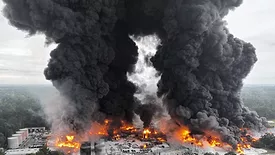
The EPA continues to work in partnership with the State of Louisiana and Tangipahoa Parish to accelerate recovery, bring in specialized expertise, and ensure transparency with the public.
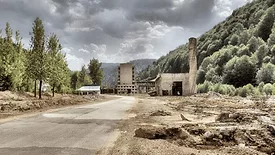
The project reflects a broader recognition that uranium’s legacy isn’t just historical—it’s a present-day public health and environmental justice issue.
Scientists from the University of Oregon have mapped this subterranean water reserve and found that it is much larger than previously thought. It holds at least 81 cubic kilometers of water.