
Water News
EPA Adds Microplastics to Drinking Water Watch List, but Regulation Could Be a Long Way Off
Environmental watchdogs argue the move is unlikely to lead to enforceable limits anytime soon.
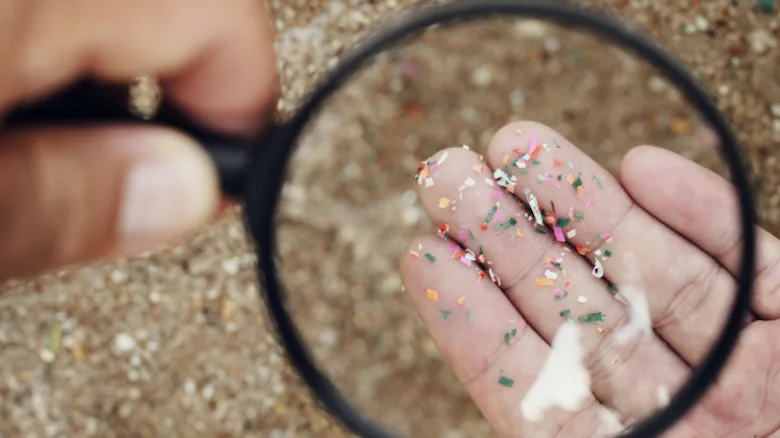
The U.S. Environmental Protection Agency has added microplastics to a list of contaminants it may consider for future drinking water regulation, but an environmental watchdog argues the move is unlikely to lead to enforceable limits anytime soon.
Public Employees for Environmental Responsibility, or PEER, criticized the EPA’s decision to include microplastics on the sixth Contaminant Candidate List, or CCL. The organization argues that the history of the program gives little reason to expect quick regulatory action.
The CCL is essentially a list of contaminants that are not currently regulated under the Safe Drinking Water Act but may warrant further study and possible regulation.
Being added to the list does not mean the EPA has decided to regulate a contaminant. Instead, it is an early step in a process that can involve additional research, monitoring and a decision on whether a federal drinking water standard is necessary.
That distinction is at the center of PEER’s criticism:
“Even a cursory examination reveals that EPA’s action on microplastics is an empty gesture,” said Kyla Bennett, PEER’s Science Policy Director and a scientist and attorney who formerly worked for the EPA. “The record proves that EPA’s Contaminant Candidate List is a regulatory road to nowhere.”
 Courtesy / Engin Akyurt on Unsplash
According to PEER’s analysis, the EPA has placed 209 unique chemicals or chemical groups on its Contaminant Candidate Lists since the first list was issued in 1998.
PEER says only two, the PFAS compounds PFOA and PFOS, have resulted in final drinking water regulations through that process. According to the organization, those limits are not scheduled to take effect until 2031.
Based on that history, PEER argues that adding microplastics to the CCL should not be viewed as a sign that enforceable drinking water limits are coming anytime soon.
Still, the CCL is not designed to create an immediate drinking water standard. It identifies contaminants the EPA believes may need further evaluation before the agency decides whether regulation is appropriate.
For water utilities, that means the addition of microplastics does not create a new federal limit that systems must currently meet.
What About Monitoring?
PEER also criticized the EPA for not including microplastics in its Unregulated Contaminant Monitoring Rule, or UCMR.
The UCMR requires public water systems to collect data on selected contaminants that do not yet have federal drinking water standards. That information can help the EPA determine how often a contaminant appears and at what concentrations.
PEER argues that without microplastics included in the UCMR, the federal government will have less information about their presence in drinking water.
The organization also notes that monitoring does not necessarily lead to regulation. According to PEER, 122 chemicals have appeared under the UCMR since 1999. Of those, 31 received final regulatory determinations, and 30 resulted in decisions not to regulate.
For water professionals, the numbers highlight how lengthy the federal process for emerging contaminants can be. Neither monitoring nor placement on the candidate list automatically results in a drinking water standard.
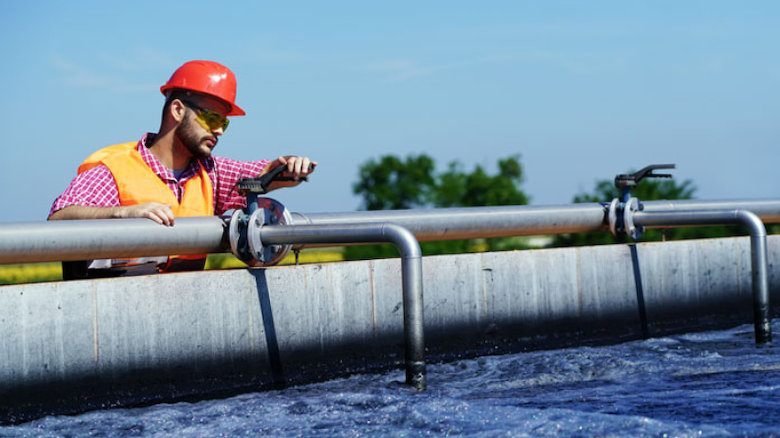 Courtesy: EPA image via Avatar023 / AdobeStock.
 What It Means for Water Systems
For public water systems, the immediate regulatory effect is limited.
Adding microplastics to the CCL does not establish a maximum contaminant level or require utilities to begin treating drinking water specifically for microplastics. Instead, it puts microplastics into the EPA’s process for evaluating contaminants that could eventually warrant federal action.
PEER believes that process has moved too slowly in the past and argues that the EPA should already be collecting more information about microplastics in drinking water.
For utilities, engineers and contractors working in the water sector, there is no new federal microplastics standard to design or operate around today. But the issue is worth watching, particularly if the EPA moves toward broader monitoring or begins gathering the data needed to consider future regulation.
For now, adding microplastics to the candidate list puts the issue on the EPA’s regulatory radar. Whether that eventually leads to an enforceable drinking water standard, however, could be a much longer story.
Looking for a reprint of this article?
From high-res PDFs to custom plaques, order your copy today!

John Oldani is an editor, journalist, and reporter with over a decade of experience producing clear, engaging, and well-researched content. He holds a Bachelor of Arts in Journalism from Oakland University, with a focus on financial reporting, editing, and long-form writing. Over the past year, John has specialized in covering the drilling industry, reporting on key developments, policy shifts, and impactful stories shaping the field.
email: johnnyoldaniwords@gmail.com | office: (248) 838-8535





.webp?height=200&t=1779937816&width=200 "Screenshot 2026-05-27 at 11.06.05 PM (2).png")