Remediation News
Veolia Files Lawsuit in Delaware to Recover PFAS Treatment Costs from Nine Companies
The suit alleges that nine industrial companies near Veolia's Stanton Plant are culpable in creating high levels of PFAS in Delaware drinking water
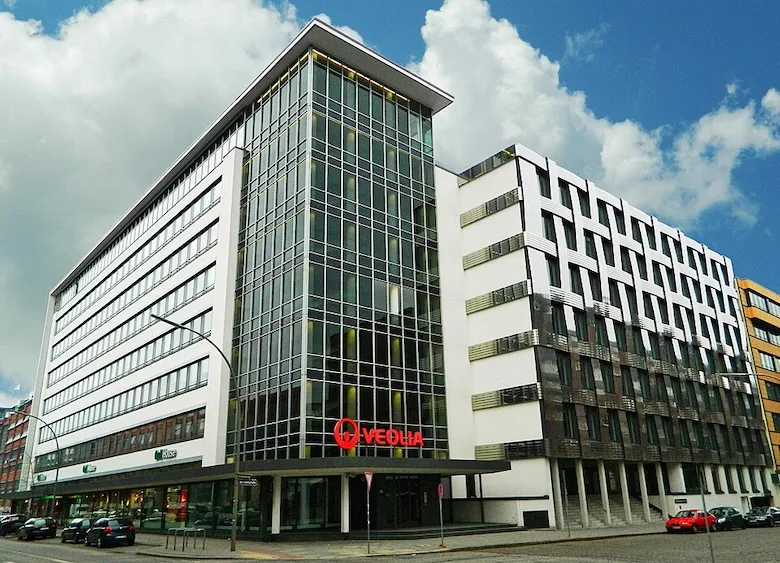
Earlier this month, Veolia filed a lawsuit in Delaware Superior Court against nine companies it alleges are responsible for contaminating its drinking water sources with regulated PFAS compounds.
The goal of the suit, Veolia alleges, is to not need to tax nearly 40,000 of its customers that are served by its Stanton plant in New Castle County, Del. for the cost of removing the hazardous materials from its drinking water supply. Instead, the company is looking to place the financial responsibility for remediation on these nine firms, which are also said to be in the surrounding community.
“Veolia has been, and will continue to be, required to make significant and costly upgrades to the Stanton Plant and will incur significant maintenance and ongoing costs required to operate and maintain those upgrades, as well as to engage in the regular monitoring of PFAS levels,” the company said in its legal filing.
The suit alleges that Veolia is looking to recover costs it had to incur for having to build its Stanton Plant, which is said to be to the tune of $34.6 million in addition to restitution for its annual operating costs, of which it valued at $3.6 million annually.
The lawsuit, which is attached, identifies nine corporate defendants connected to various industrial sites commonly associated with PFAS in the watersheds that serve the Stanton plant. It seeks recovery of the capital costs of building the Stanton PFAS treatment plant, which were at least $34.6 million, as well as its continual annual operating costs, which are at least $3.5 million each year.
“Veolia brings this action against defendants in an effort to recover the costs to treat and remove PFAS from its drinking water system and to ensure that Veolia has the resources necessary to continue to provide its customers and members of the public with safe drinking water that meets federal and state drinking water standards, and federal and state law and regulations.”
Veolia’s Stanton Plant, which was designed to remove regulated per- and polyfluoroalkyl substances from Delaware’s drinkable water to the tune of 30 million gallons daily, receives a chunk of that water from both Red Clay and White Clay creek, a pair of tributaries running from southwestern Pennsylvania into Delaware. Combined, the suit claims that both watersheds delivers drinking water to close to 100,000 residents in the community.
The two watersheds have had documented PFAS contaminants in the past, stemming from these nine alleged area companies prompting Veolia to suggest that these companies should have known that PFAS offers really environmental risks, but “failed to take meaningful steps to prevent or mitigate the foreseeable contamination to Delaware’s natural resources and Veolia’s source watershed,” according to court filings.
"Each of the Defendants reasonably should have known that they were releasing potentially toxic PFAS into the environment through their operations and use of PFAS at several industrial sites throughout Delaware,” the filing when on to read, “But the Defendants failed to take any or sufficient actions to remedy such harm or to disclose the risks to regulators, Veolia, or the Delaware public.”
Looking for a reprint of this article?
From high-res PDFs to custom plaques, order your copy today!