
With the House passing Rep. Luna’s amendment to remove pesticide liability protections, here’s what that could mean for remediation efforts
The amendment preserves the ability of states and individuals to hold manufacturers accountable and prevents federal overreach that would override stricter local protections.
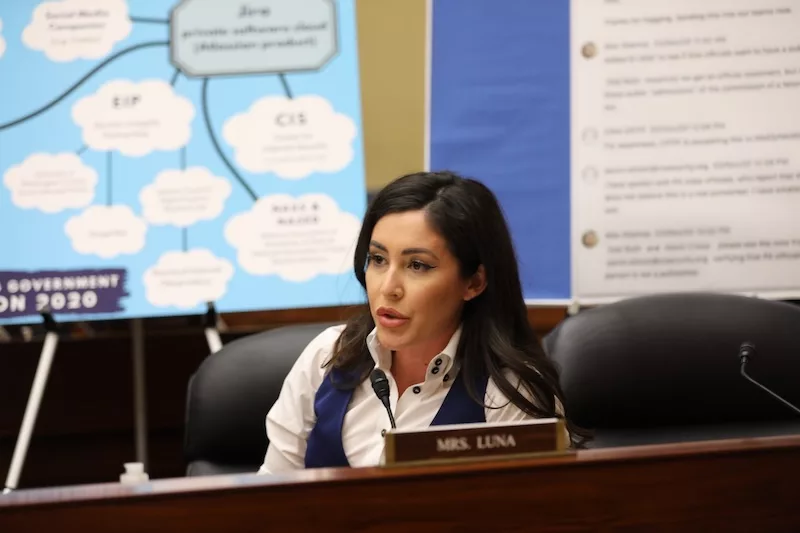
This week, an amendment presented by Florida congresswoman Anna Paulina Luna was passed on the House floor. The ruling, which has now been moved on to the Senate will effectively remove safeguards for companies that use pesticides and for the manufacturers of those chemicals and toxins from liability.
Those safeguards were attached to the larger Farm Bill, which can no longer shield chemical companies from lawsuits and is said to give the power back to American families, who have been affected by the long term damage that can be caused by pesticides utilized by the food industry.
From a remediation standpoint, Rep. Luna’s amendment is also supposed to protect drinking water and both above and below ground from the “unchecked chemical exposure” of these chemicals. According to documentation provided by Luna as part of the amendment, pesticides in food are directly linked to a 30% increase in childhood cancer.
Oftentimes too, it’s not just the effects it has on the food, but the lasting effects from leeching into the earth, contaminating soil, and groundwater that has to be remediated. The amendment to the Farm Bill will also urge pesticide companies to take even greater steps in creating “ clear, enforceable warning labels,” that propose the risks to farmers and consumers alike.
By removing these provisions, the amendment preserves the ability of states and individuals to hold manufacturers accountable and prevents federal overreach that would override stricter local protections. “I do not support giving blanket immunity to corporations at the expense of American families,” said Congresswoman Luna.
The adoption of the amendment by the House by a 224-200 vote in Washington, D.C., is just another step to ensure that the farm bill forces the federal powers that be to make more of an effort to prioritize public health, and forces states to enforce standards or even alter them to make them stronger.
Looking for a reprint of this article?
From high-res PDFs to custom plaques, order your copy today!