
EPA Moves to Protect Little Colorado River from Uranium Mine Waste
Exposure to uranium contamination has been linked to elevated cancer rates, kidney disease, and other serious health conditions.
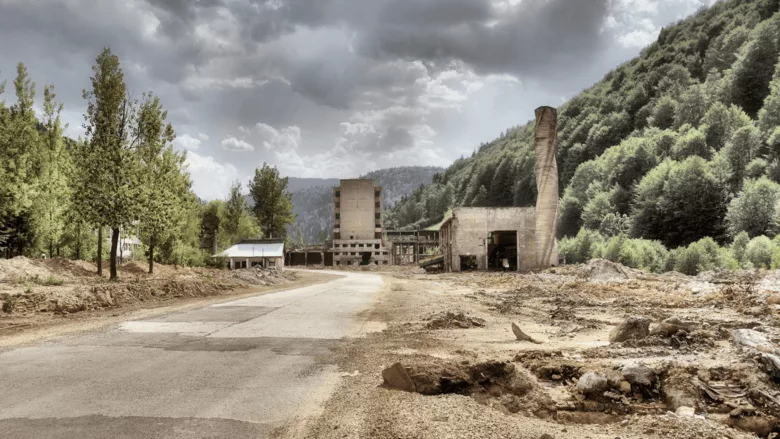
Image via Bulgac from Getty Images Signature
The U.S. Environmental Protection Agency has announced a new removal action designed to protect the Little Colorado River from the lingering impacts of abandoned uranium mines. The plan will relocate mine waste from two sites, plus part of a third, into an engineered repository located about a mile from the river in Coconino County, Arizona.
The targeted area, known as the Section 9 Lease Mine Site, sits within the Cameron Mining District near the Navajo Nation. It’s one of hundreds of abandoned uranium mines scattered across the Southwest—remnants of an industry that once boomed during the mid-20th century but left behind a trail of radioactive waste.
Uranium mining played a major role in fueling the Cold War nuclear weapons program and, later, the U.S. nuclear energy sector. But for communities across the West, particularly on and around the Navajo Nation, the legacy has been devastating. From the 1940s through the 1980s, thousands of mines were dug with little consideration for long-term impacts. Many were never properly closed or cleaned up, leaving piles of radioactive waste rock exposed to wind, rain, and nearby waterways.
Exposure to uranium contamination has been linked to elevated cancer rates, kidney disease, and other serious health conditions in Native communities. The Navajo Nation alone is home to more than 500 abandoned uranium mines, and residents have long pushed for federal agencies to accelerate cleanup. The Little Colorado River, a culturally and ecologically important waterway, has been particularly vulnerable to contamination from nearby mining activity.
The Cleanup Plan
EPA says the upcoming project will reduce the footprint of uranium contamination in both the watershed and surrounding Navajo communities. Waste rock and soil will be excavated and moved to a secure on-site repository, where it can be isolated from direct contact with people and the river system. Once removal is complete, the disturbed mine areas will be restored to more natural conditions, minimizing erosion and stabilizing the landscape.
The design phase is expected to begin in 2026. The repository may eventually serve as a regional hub for waste from other abandoned uranium mines in the Cameron District, allowing future cleanups to be completed more efficiently.
Part of a Bigger Problem
The work in Arizona is one piece of a much larger effort. Across the U.S., the EPA has identified thousands of legacy uranium mine sites, with a heavy concentration in Arizona, New Mexico, Utah, and Colorado. Many are located on or near Indigenous lands. While some have been prioritized under the Superfund program, most remain unaddressed, in part due to the sheer scale and cost of remediation.
Recent years have seen stepped-up funding for uranium cleanup, including settlements with mining companies and dedicated federal programs for addressing abandoned mines. Still, progress has been slow compared to the scale of the problem.
For residents near the Little Colorado River, this announcement represents a step forward after decades of living with uranium contamination. While the timeline stretches into 2026 and beyond, EPA officials say the effort will both reduce immediate risks and create infrastructure for broader cleanups in the region.
The project reflects a broader recognition that uranium’s legacy isn’t just historical—it’s a present-day public health and environmental justice issue. And in places like the Navajo Nation, where the scars of mining remain visible, moving contaminated waste even one mile away from the river is more than just a technical decision. It’s an acknowledgment of the need to balance past harm with future protection.
Sidebar: The Scale of Uranium Contamination in the U.S.
- Total abandoned uranium mines nationwide: More than 4,000
- On Navajo Nation lands: Over 500 abandoned mines
- Cleanup costs: EPA estimates tens of billions of dollars would be required for full remediation.
- Settlements to date: In 2017, EPA reached a $600 million settlement with Freeport-McMoRan to fund Navajo Nation mine cleanups; additional agreements have followed with other mining companies.
- Geographic concentration: Most sites are in Arizona, New Mexico, Utah, and Colorado, near the Colorado Plateau uranium belt.
Looking for a reprint of this article?
From high-res PDFs to custom plaques, order your copy today!

.webp?height=200&t=1751329354&width=200 "Wastewater Plant")