Water and Wells
Small Communities, Big Water Projects: Four New Wells Planned in Indiana and Missouri
Two communities, hundreds of miles apart, are preparing to invest in new drinking water wells, highlighting the steady, often overlooked work that keeps municipal water systems running.
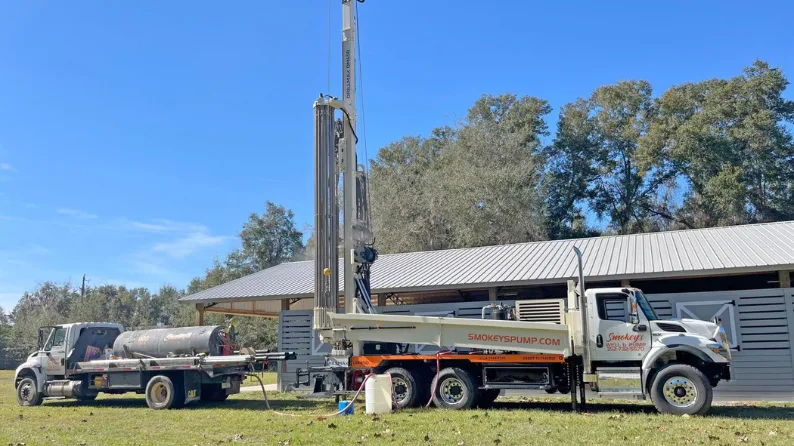
Most people don't think much about where their drinking water comes from. They turn on the faucet, fill a glass and go about their day. But behind that everyday convenience is an enormous amount of planning, construction and maintenance, much of it happening underground.
Two communities in the Midwest are offering a good reminder of that work.
South Bend, Indiana, and Advance, Missouri, are both seeking contractors to construct new drinking water wells. Each community plans to add two wells, bringing the combined total to four.
The projects aren't particularly flashy, and neither involves a groundbreaking new technology. But that's part of what makes them interesting. Across the country, communities regularly invest in new wells, replace aging infrastructure and improve their water systems, often with little attention outside local government meetings and construction bid notices.
For drillers, however, these projects represent the kind of work that keeps communities supplied with one of their most essential resources.
Two Communities, Four New Wells
In South Bend, city officials are accepting bids for two new drinking water wells at the Cleveland South and Pinhook sites.
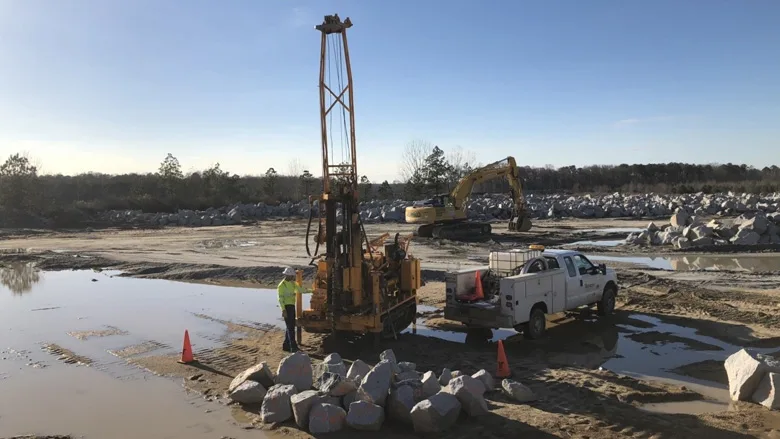
The project involves considerably more than drilling two holes. Contractors will also be responsible for installing new watermains, connecting the wells to the existing distribution system, constructing well buildings and completing related site improvements.
The work is outlined in plans prepared by Commonwealth Engineers, with bids due December 8, 2026.
Meanwhile, roughly 500 miles away in Advance, Missouri, city officials are preparing for a similar investment.
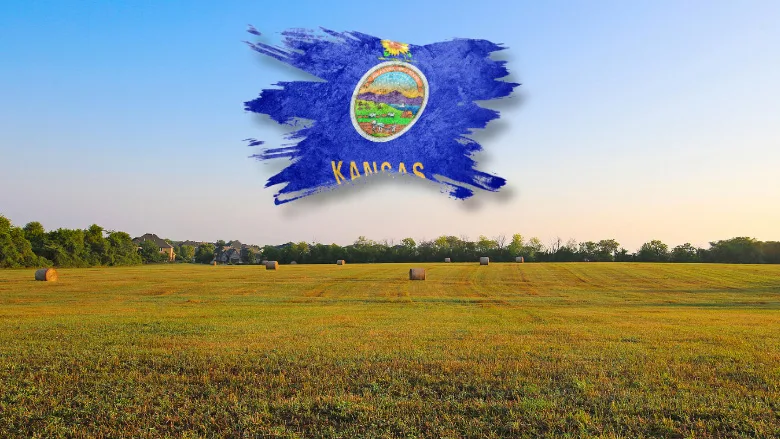
The small Stoddard County community is seeking bids for two new drinking water supply wells near the site of a new water treatment plant.
Unlike South Bend's project, which includes new well buildings and watermain connections, Advance's publicly advertised scope focuses on constructing the wells that will serve its developing water infrastructure.
The Missouri project is being financed through the state's Drinking Water State Revolving Fund and federal capitalization grants, programs designed to help communities pay for essential water infrastructure improvements.
Bids for the Advance project are also due December 8.
While the projects differ in size and scope, both point to a similar reality: keeping drinking water flowing requires continuous investment, regardless of how large or small a community might be.
The Work That Rarely Makes Headlines
A new municipal well might not generate the same attention as a major highway expansion or a large industrial project. But for communities that rely on groundwater, these investments can be just as important - and they're far from unusual.
According to the U.S. Geological Survey, groundwater accounted for approximately 48% of public water supply withdrawals across the contiguous United States in 2020.
Meanwhile, the Environmental Protection Agency estimates that drinking water systems nationwide will need approximately $25.2 billion in source-related infrastructure investments over a 20-year period. That category includes constructing or rehabilitating wells and intake structures, along with purchasing water rights.
Those figures help explain why projects like the ones in South Bend and Advance continue to appear in municipal construction plans.
Water wells don't last forever without attention. Pumps wear out, well screens can become clogged, production can decline and changing water-quality requirements can create new challenges. Growing communities may also need additional production capacity, while older systems sometimes need backup sources to maintain service during maintenance or repairs.
Not every new well is a replacement for a failing one. Some are built to strengthen an existing system, increase flexibility or support future water needs.
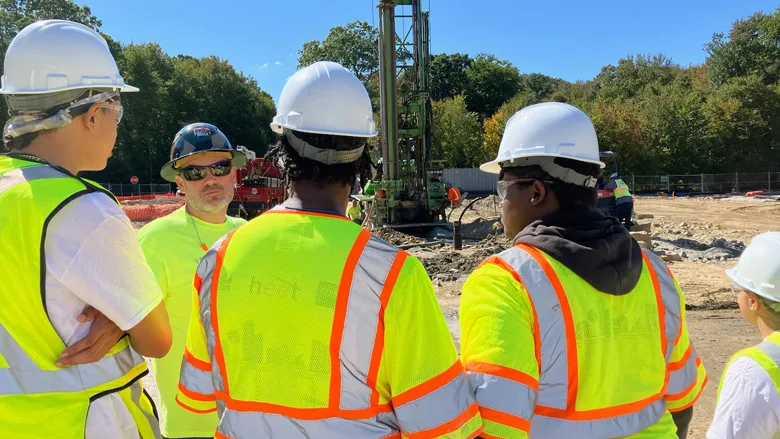
Whatever the reason, the work generally involves far more than drilling. Drillers must consider local geology, well design, casing and screen installation, groundwater protection, development and pumping tests before a new well can become a reliable part of a community's water supply.
It's a complicated process behind something most people take for granted.
Why These Smaller Projects Matter
For larger cities, improvements to drinking water infrastructure can be part of a continuing capital investment program. Smaller communities often face a different challenge.
A town may need the same specialized drilling equipment, engineering expertise and water-quality protections as a much larger utility, but with fewer customers to help pay for the work.
That's where state revolving funds and federal assistance can become particularly important.
Advance's project offers an example of how these funding programs support local water infrastructure. Without access to outside financing, the cost of drilling multiple production wells and developing associated treatment facilities could place a significant burden on a small community.
These projects also demonstrate how much coordination goes into municipal well construction. Engineers, drilling contractors, pump installers, water utility employees and local officials all play a role in bringing a new source online.
And while residents may never see the finished well beyond a small building or fenced utility site, the benefits can extend throughout the community for decades.
A Continuing Need for Groundwater Contractors
South Bend and Advance are only two examples of a much larger effort to maintain and improve drinking water infrastructure across the United States.
The number of groundwater-dependent water systems and the scale of projected infrastructure needs make one thing clear: the demand for well construction, rehabilitation and maintenance isn't going away. These projects provide opportunities to put their experience to work on infrastructure that communities depend on every day.
For residents, they're a reminder that reliable drinking water doesn't simply appear at the tap. It takes planning, funding, skilled workers and a great deal of work below the surface.
And sometimes, the most important infrastructure projects are the ones that hardly anyone notices once the work is done.
Looking for a reprint of this article?
From high-res PDFs to custom plaques, order your copy today!

John Oldani is an editor, journalist, and reporter with over a decade of experience producing clear, engaging, and well-researched content. He holds a Bachelor of Arts in Journalism from Oakland University, with a focus on financial reporting, editing, and long-form writing. Over the past year, John has specialized in covering the drilling industry, reporting on key developments, policy shifts, and impactful stories shaping the field.
email: johnnyoldaniwords@gmail.com | office: (248) 838-8535