Water Well Maintenance
The Hidden Threat Growing Inside Water Wells
Bacterial fouling can quietly compromise water well performance long before a major failure. Recognizing the warning signs can help contractors and customers avoid costly problems.
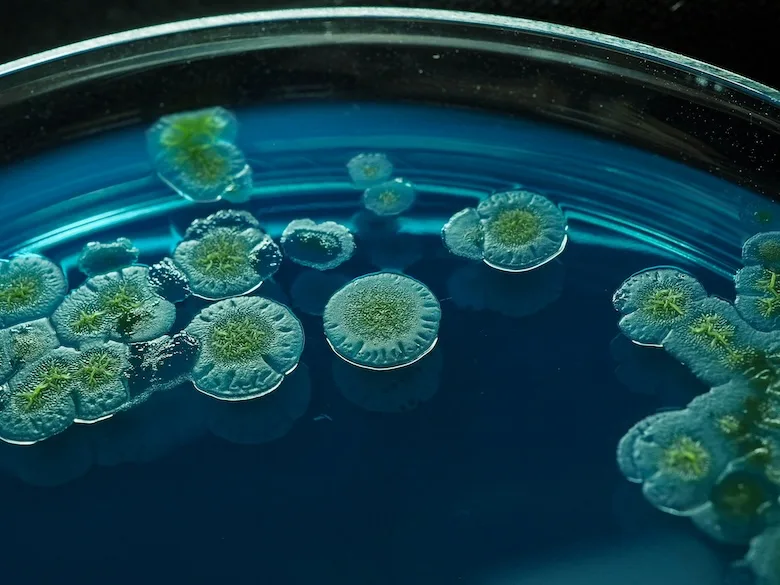
One of the best parts about installing a new well and well pumps is that it offers a clean slate.
It gives you a baseline look at how it works, how to best optimize it to continue running, and for some a last look before time and Mother Nature steps in. Installing a a well, its pump and other components is just the first step, but how do you ensure it will withstand those tests of time, since well problems typically happen gradually?
Earlier this year, Michael Schnieders, a hydrologist and geologist for Water Systems Engineering, a firm based in Ottawa, Kansas spoke to a room full of water well drilling professionals at the South Atlantic Jubilee. Schnieders’ talk, entitled "Biological Related Fouling and Tracking in Your Well," focused on the various types of algae, bacteria, and other build ups that can occur both down well and on the pumps themselves.
It served as an evergreen reminder of what's lurking below and how it affects the integrity of your well over time.
And while it might seem mundane, Schnieders’ talk served as a reminder of what both drillers, and well maintenance professionals alike should know about what lurks below the surface and how it can disrupt the integrity of a well.
“There are subtle indicators that over time can point to a bigger problem, said Schnieders. “The good thing is that when you have the luxury of a new well, you have time to get a baseline in place and it’s really good to know what those baselines are because costs, when we go from proactive to reactive, increase significantly.”
And in all of that you have bacteria to thank.
The two types, aerobic, the type that needs oxygen to thrive, and anaerobic, the type that doesn’t next air to multiply, are both types that in the right environment can grow from a small amount to a large population capable of disrupting systems, polluting the integrity of the groundwater, and can even eat and corrode pump parts.
The connection between microbiology and well rehab is almost symbiotic in the sense that as all of that biofilm can contribute to declining performance, understanding baselines in a well, and regularly scheduled monitoring, provide a way to recognize changes before getting a call from client or customer.
“Bacteria can reproduce in all types of environments,” said Schnieders. “One more life cycle and a 12.5 percent is now 25 percent. All of a sudden, we’ve overwhelmed our pump, burned out that motor, and your customer can’t get water.”
Another thing is that while that build-up does take time, it’s not a one-size-fits-all approach to wells. The rapidity of bacteria buildup is largely determined by how nutrient-dense organisms in the well are, the environment of where the well is situated and what type of bacteria is present. There are wells where it doesn’t take long after installation for issues to occur, and there are wells that have been around for years with very minimal issues, according to Schnieders.
The one thing those long lasting wells have? Routine monitoring, says Schnieders.
“I’ve seen wells from 1927 that have very slow-growing residential populations in there,” Schnieders said. “Bacteria doesn’t have a predictable timeline. We have those that like oxygen, the aerobic population, and we have those that hate oxygen, the anaerobic population, but both can cause harm. This is the sleeper problem, where we didn't know we had bacteria in our well, and now all of a sudden we're overwhelmed.”
If there was a checklist of things to look out for, based on Schnieders’ recommendations, here would be a few to consider:
Are there changes in specific capacity or overall well efficiency?
Has there been a decline in either the pump efficiency or water production?
Are there any signs of early corrosion or structural deterioration?
Is there any discoloration or staining around the wellhead?
What about sand, silt, clay, or metal particles? Are they appearing in the water?
In all of that there’s a central theme. That well problems will develop over time, but operators can keep them at bay by recognizing the key warning signs wells will show us before they become a serious concern.
Looking for a reprint of this article?
From high-res PDFs to custom plaques, order your copy today!