Water and Wells
Nevada Water District to Shut Down Two Wells During 1,000-Foot Drilling Project
Moapa Valley Water District has awarded a $3.2 million contract for a new production well, but construction will require temporarily taking two existing wells offline.
Drilling a new water well is supposed to strengthen a community's water supply.
But in southern Nevada, getting a new well online means temporarily shutting down two of the district's biggest water sources.
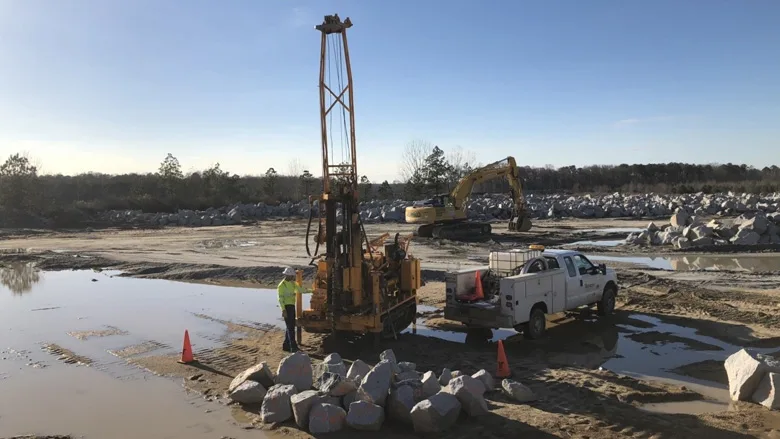
The Moapa Valley Water District (MVWD) is preparing to drill a new 1,000-foot production well at its Arrow Canyon facility in Clark County, Nevada. The $3.2 million project was awarded to Stonehouse Drilling in September, with construction expected to begin in January 2027.
The new well, known as Arrow Canyon No. 3, is designed to produce up to 3,200 gallons per minute (gpm). Once completed, it will provide additional reliability for a water system that depends heavily on groundwater.
However, there's a challenge crews will need to work around before drilling can begin.
Protecting Existing Wells During Construction
The new well will be drilled near two existing production wells that are critical to the district's water supply.
Arrow Canyon No. 1, the district's primary production well, can deliver up to 4,500 gpm. Arrow Canyon No. 2 adds another 1,500 gpm.
Both wells will need to be temporarily shut down during drilling to prevent unwanted materials from entering the existing water sources.
According to MVWD General Manager Joe Davis, the shutdowns are a necessary precaution to protect water quality while drilling takes place.

The situation highlights an important consideration for water well contractors working around active production facilities. Constructing a new well isn't always as straightforward as finding a suitable location and mobilizing a rig. Nearby wells, pumping operations and the potential movement of drilling-related materials can all affect how a project is scheduled and completed.
In this case, the district is planning the work around its lowest-demand period of the year.
Drilling is expected to take approximately 30 days, with the overall project scheduled for completion in early spring, before warmer temperatures bring increased water demand.
Keeping Water Flowing During Drilling
Although the two Arrow Canyon wells provide a significant portion of the district's production capacity, officials say customers should not experience service disruptions.
The district plans to rely on its Baldwin Springs water source, which can reliably produce approximately 1,250 gpm. That is typically enough to meet the community's winter demand.
Additional water sources normally held in reserve are also being prepared in case demand increases unexpectedly or construction takes longer than anticipated.
The timing is especially important because water demand in the region can climb quickly as temperatures rise.
Beyond the temporary shutdowns, the new well addresses a longer-term concern for the district.
Arrow Canyon No. 1 was drilled in 1991 and has been the district's primary producer for decades. Although it remains a valuable resource, officials have previously expressed concerns about its age and the need for additional production capacity if the well requires maintenance or eventually needs to be replaced.
Arrow Canyon No. 2 provides some backup capacity, but it cannot independently replace the production available from No. 1. The new well is intended to help close that gap, giving the district more flexibility to manage maintenance, repairs and future water demand without relying so heavily on a single production well.
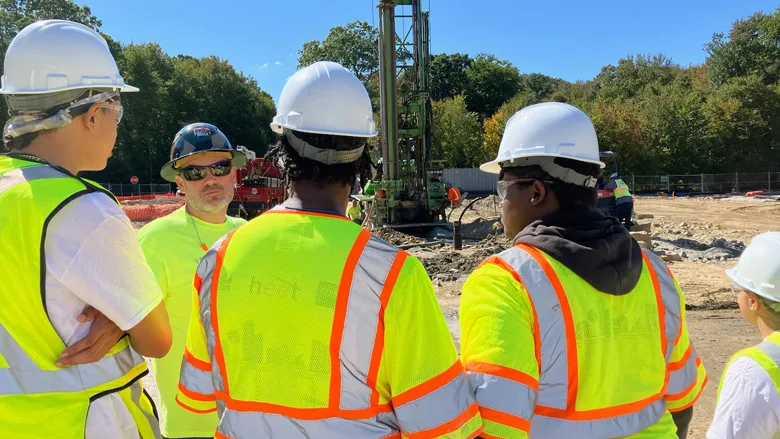
For Stonehouse Drilling, the immediate job will be constructing a high-capacity groundwater well while protecting the sources already serving the community.
And for the water district, the next few months will be about balancing short-term construction challenges with the long-term reliability of its water supply.
If everything goes according to plan, Arrow Canyon No. 3 will be ready before summer demand returns, giving the district another important source of water when it needs it most.
Looking for a reprint of this article?
From high-res PDFs to custom plaques, order your copy today!

John Oldani is an editor, journalist, and reporter with over a decade of experience producing clear, engaging, and well-researched content. He holds a Bachelor of Arts in Journalism from Oakland University, with a focus on financial reporting, editing, and long-form writing. Over the past year, John has specialized in covering the drilling industry, reporting on key developments, policy shifts, and impactful stories shaping the field.
email: johnnyoldaniwords@gmail.com | office: (248) 838-8535