Wyoming Uranium Exploration Program Surpasses 65,000 Feet of Mud-Rotary Drilling
Premier American Uranium has completed 80 drill holes at its Kaycee Project, with new uranium discoveries and expanded mineral rights setting the stage for additional exploration.
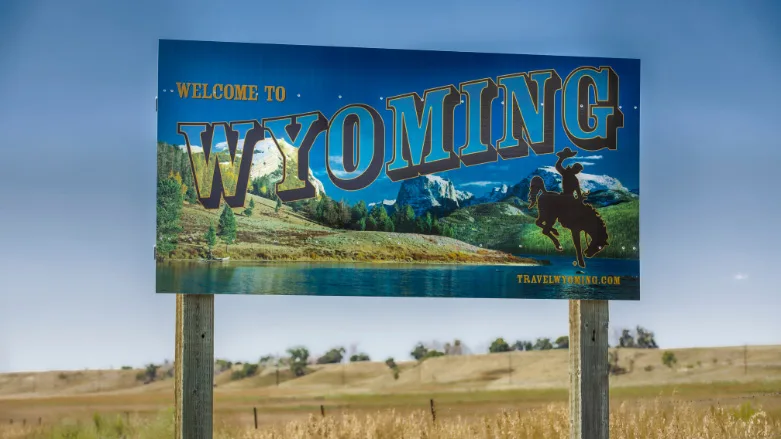
Premier American Uranium (PUR) is making steady progress on one of the larger uranium exploration projects underway in the United States, having completed more than 65,000 feet of mud-rotary drilling at its Kaycee Project in northeastern Wyoming.
Crews recently completed 80 conventional mud-rotary drill holes totaling 65,620 feet as of September 25th. That puts the company roughly two-thirds of the way through its planned 100,000-foot drilling program in the Powder River Basin.
Michael Harrison
The latest results come from the West Diane target, where six of eight drill holes encountered uranium mineralization grading at least 0.02% equivalent uranium oxide (eU₃O₈).
“Our 2026 program continues to deliver encouraging results across Kaycee. Drilling at the West Diane target has returned uranium mineralization in six of our first eight holes, including 10 ft grading 0.064% eU₃O₈, the thickest mineralized interval reported from this year’s program to date. These results provide a strong basis for follow-up drilling to test extensions of known mineralization,” Colin Healey, CEO of PUR said.
For the exploration team, those results provide additional evidence of uranium-bearing sandstone formations that could warrant further investigation.
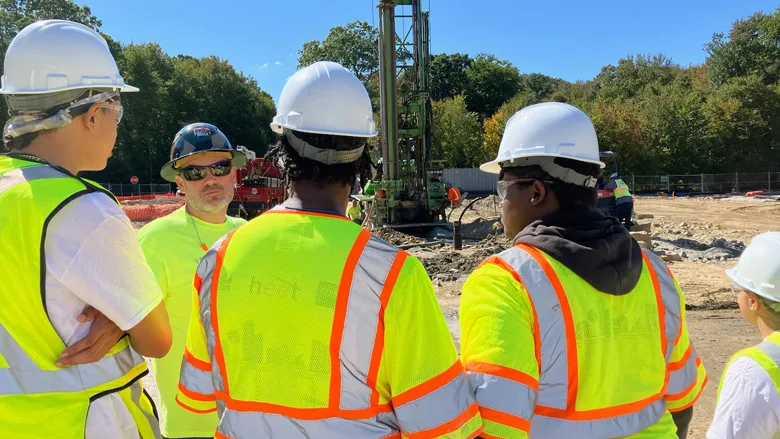
For the drilling crews, the project represents a substantial amount of work across multiple targets, with changing geological conditions, extensive borehole logging and thousands of feet still to drill.
A Busy Season in the Powder River Basin
Since its last update, Premier American Uranium has completed another 30 holes totaling 23,660 feet.
Much of the recent activity has focused on West Diane, where the company is investigating sandstone units within the Fort Union Formation. Historical exploration identified two potential uranium-bearing units in the area, and the current program is concentrating on the upper unit.
Crews are using a combination of infill, step-out and confirmation drilling to better establish the location and extent of mineralization.
Meanwhile, work at the nearby Rustler target has produced additional uranium intercepts. Six of 22 newly reported holes encountered mineralization grading at least 0.02% eU₃O₈.
Those findings also prompted the company to acquire another 1,883 acres of mineral rights, connecting its Rustler and Stampede claim blocks and bringing its overall Kaycee land package to approximately 31,724 acres.
Drilling at Rustler was paused after 45 holes while the additional mineral rights were secured. The company plans to return once work at West Diane is completed, weather permitting.
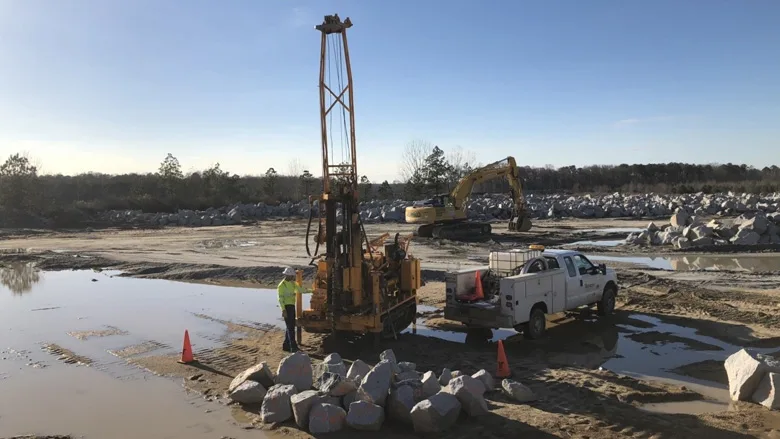
Mud-Rotary Drilling and Downhole Logging
Beyond the uranium results, the Kaycee program offers an interesting look at the role of conventional mud-rotary drilling in modern mineral exploration.
All reported holes are vertical, with uranium-bearing formations generally lying relatively flat beneath the surface. The drilling program relies heavily on downhole geophysical measurements rather than conventional core sampling to evaluate mineralization.
After drilling, boreholes are logged using gamma-ray, spontaneous-potential and single-point resistivity measurements. These readings help geologists identify geological boundaries, evaluate sandstone formations and estimate uranium grades.
The geophysical logging work is being performed by Hawkins CBM of Casper, Wyoming.
Importantly, the reported uranium grades are calculated from gamma-ray measurements rather than direct chemical assays. The company uses an established uranium-industry method to convert those measurements into estimated grades.
Maintaining consistent hole conditions and obtaining reliable logging data are important considerations in a campaign of this size. Drilling fluids, borehole stability and coordination between drilling and logging crews can all affect how efficiently the work proceeds.
The company has not disclosed specific drilling rates, fluid formulations or equipment configurations in its latest announcement.
More Drilling Ahead…
Kaycee covers more than 42 square miles of mineral rights along a 36-mile mineralized trend. According to Premier American Uranium, the property contains more than 110 miles of identified uranium roll fronts, geological features associated with uranium deposits in sandstone formations.
The company is evaluating the property's potential for in-situ recovery (ISR), a uranium extraction method that circulates a recovery solution through suitable underground formations rather than relying on conventional open-pit or underground mining.
Premier American Uranium reports that more than 400,000 feet of drilling has been completed at Kaycee since 2023.
With approximately 34,380 feet remaining in this year's planned program, drilling is expected to continue at West Diane before crews return to the expanded Rustler target.
“Kaycee represents one of the largest grassroots uranium exploration programs in the United States, with an expanded land package spanning approximately 31,724 acres in Wyoming’s prolific Powder River Basin,” Michael Harrison said.
The company has not announced a firm completion date, and the return to Rustler remains dependent on weather conditions.
Why Should Drillers Care?
A 100,000-foot exploration program involving dozens of mud-rotary holes presents plenty of operational challenges, even when the geology is relatively well understood.
At Kaycee, the average completed hole is approximately 820 feet deep. Maintaining productivity across that many holes requires consistent drilling practices, reliable fluid circulation, efficient rig moves and close coordination with geophysical logging crews.
The project also illustrates how drilling data can directly influence an exploration program. Results from the first round of holes help determine where crews drill next, while promising findings can lead to expanded mineral rights and additional work.
For contractors working in mineral exploration, Kaycee could make a useful case study in equipment selection, mud management, drilling efficiency and the practical challenges of completing a large number of accurately logged boreholes.
There's plenty of drilling left to do.
Looking for a reprint of this article?
From high-res PDFs to custom plaques, order your copy today!

John Oldani is an editor, journalist, and reporter with over a decade of experience producing clear, engaging, and well-researched content. He holds a Bachelor of Arts in Journalism from Oakland University, with a focus on financial reporting, editing, and long-form writing. Over the past year, John has specialized in covering the drilling industry, reporting on key developments, policy shifts, and impactful stories shaping the field.
email: johnnyoldaniwords@gmail.com | office: (248) 838-8535