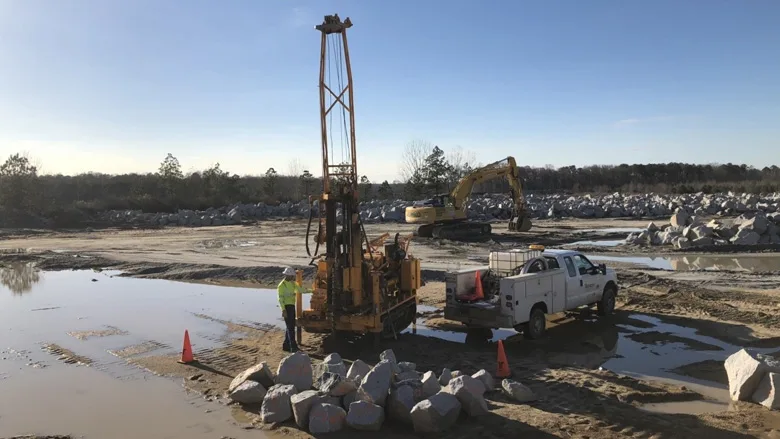
EPA announces $2.9 billion project to eradicate lead-based piping still used today in drinking water.
States will use funds to remediate the longstanding toxic infrastructure
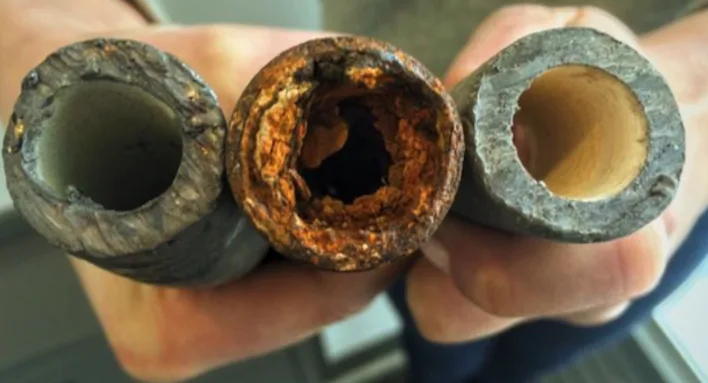
The EPA is sending nearly $2.9 billion to states to help identify and replace lead service lines, aging pipes that still deliver drinking water to millions of homes across the U.S.
The funding will move through the Drinking Water State Revolving Fund, a federal financing program that helps states and local utilities pay for drinking water infrastructure projects.
According to the EPA, the money can be used to locate lead pipes, plan replacement projects, and fully remove and replace lead service lines.
The agency said the funding is intended to reduce exposure to lead, especially among children, who face the greatest risk from the long-term health and developmental effects linked to contamination.
The announcement also highlights the size of the challenge. EPA estimates that about 4 million lead service lines are still in use nationwide, making replacement efforts one of the federal government’s largest ongoing drinking water and infrastructure initiatives.
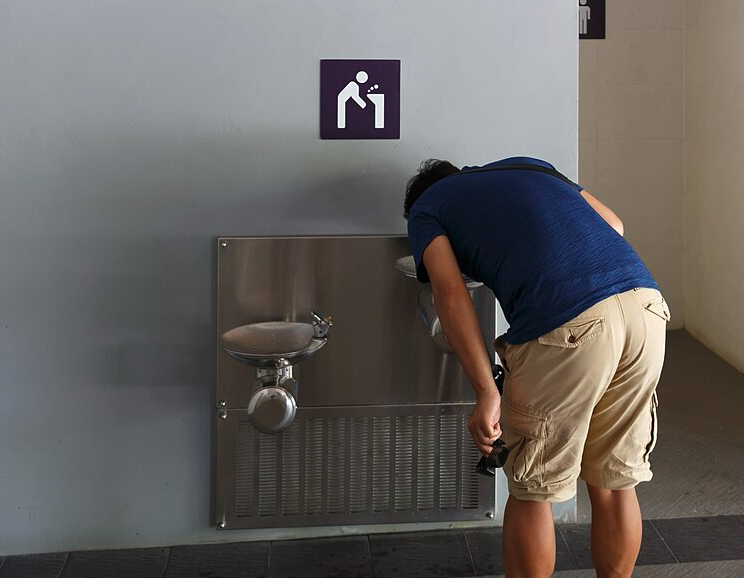
Lead pipe replacement has also become one of the few infrastructure issues with broad bipartisan backing. Because it is tied directly to public health and drinking water safety, the issue affects communities across the political spectrum, from older cities to small rural towns with aging water systems.
The funding announcement also comes as lawmakers and utilities continue debating the pace and cost of major infrastructure upgrades, along with the federal government’s role in helping pay for them. One of the biggest hurdles has been simply identifying where lead service lines are located, particularly in older cities where records are incomplete or outdated.
There are also ongoing questions about whether current funding levels will be enough to fully replace the nation’s remaining lead pipes. Although recent federal infrastructure packages have directed billions toward the effort, many utilities and water advocates say the total cost could end up far exceeding current estimates.
In addition to the new funding, the EPA said it will redistribute another $18 million in previously unused lead pipe replacement money to states with eligible projects and remaining needs.
The issue also reflects broader concerns about the condition of aging infrastructure in the U.S. and the difficulty of upgrading systems that most people rarely think about until something goes wrong.
Possible sources for additional reporting include state environmental and public health agencies overseeing lead service line replacement programs, along with water utility associations and municipal infrastructure officials managing local projects. Pediatricians and public health researchers can provide insight into the long-term effects of childhood lead exposure, while environmental justice organizations may offer a perspective on how older urban communities are disproportionately affected by lead contamination.
Civil engineers and drinking water infrastructure experts can also help explain the technical and financial challenges tied to replacement timelines and overall project costs.
As replacement efforts continue nationwide, the issue is likely to remain at the center of broader conversations about infrastructure investment, public health, and the long-term cost of maintaining aging water systems across the country.
Looking for a reprint of this article?
From high-res PDFs to custom plaques, order your copy today!

John Oldani is an editor, journalist, and reporter with over a decade of experience producing clear, engaging, and well-researched content. He holds a Bachelor of Arts in Journalism from Oakland University, with a focus on financial reporting, editing, and long-form writing. Over the past year, John has specialized in covering the drilling industry, reporting on key developments, policy shifts, and impactful stories shaping the field.
email: johnnyoldaniwords@gmail.com | office: (248) 838-8535