Creating Data to Help Drillers Work Smarter, Not Harder
The Chicago-based data firm DrillerDB released the first of what it says is a series of planned databases and interactives to better serve the drilling industry
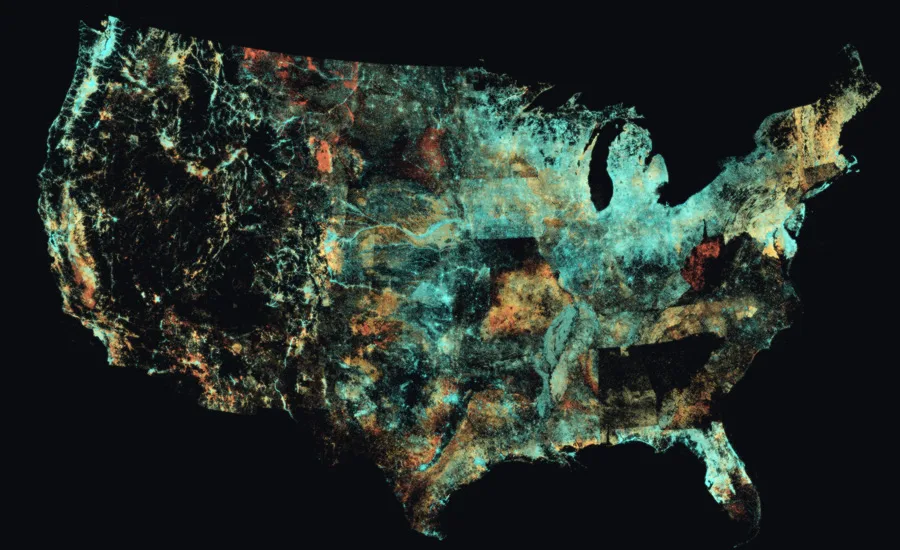
Making a map that showcases every single water well in the continental United States and parts of Canada is no small feat.
Or mapping rock formations below ground, saving drillers time and money without having to drill test holes? Or understanding where water levels and aquifers lie across the country.
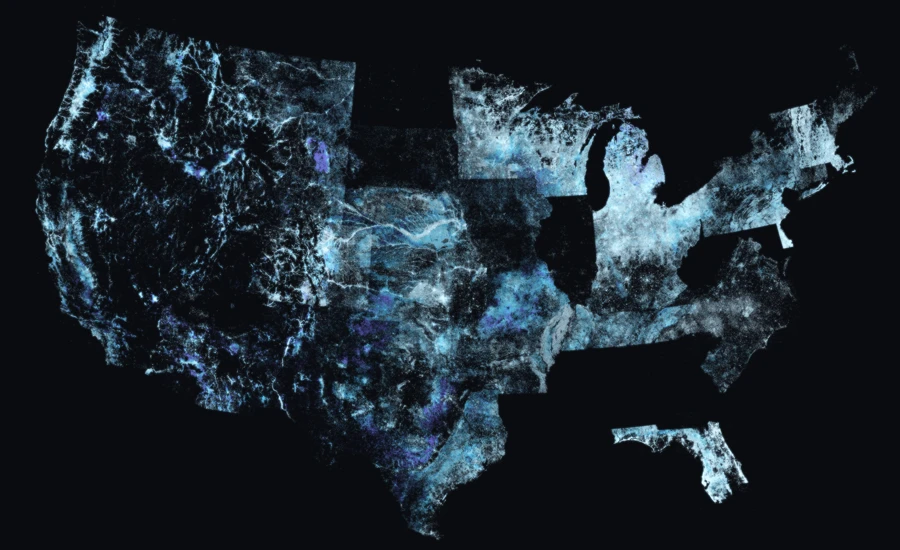
Image: DrillerDB
Thanks to the folks at DrillerDB, that's just a sampling of the data that's been compiled, made into an interactive and updates almost in real time. As Craig Vander Galien, founder of DrillerDB, recalls, the beginnings of the first, a complete listing of water wells in the U.S. and Canada was an undertaking three years in the making.
The notion to create DrillerDB, based in Chicago, spawned from the idea of wanting to map water wells in Vander Galien's home state of Wisconsin. It would be a great resource for his family of drillers in the which also own and operate a water well company, a supply house, a rig and tool sales company, among other endeavors.
But why just stop at Wisconsin, when you could go even further?
“We started with just [mapping] water wells in Wisconsin,” Vander Galien told The Driller recently. “But aquifers don't stop at state lines, so there's no reason why our data needed to.”
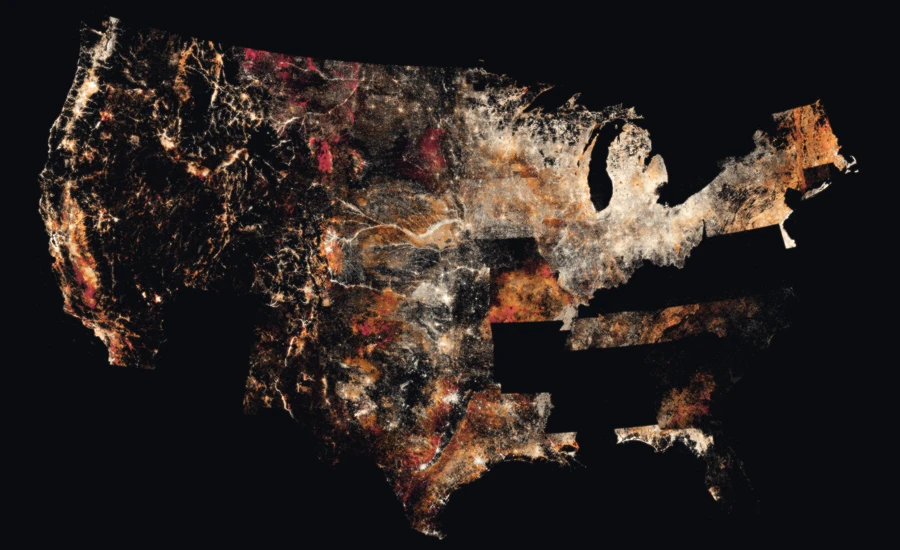
DrillerDB is branching out to help drillers better understand what's underground from a rock formation standpoint even before they beginning digging.
Image: DrillerDB
So Vander Galien said that DrillerDB decided to branch out. First through an amalgamation of county, state and federal records they were able to map 10 states, then 15. After beginning the expansion in 2023, today, DrillerDB has mapped out all 50 states and a large swath of Canadian provinces.
“We realized that it would be a huge project and quite a difficult project, but an amazing opportunity to bring all of this data from different states together into one place,” said Vander Galien. “We started that project in like 2023 or 2024 … and eventually got to [all] 50 [states] and several Canadian provinces. So it's been an amazing challenge.”
Founder, DrillerDB
Now the new challenge? Keeping the interactive up to date. Vander Galien said the goal is to have the software crawl and update weekly, with reliable data from various state agencies without putting too much strain on the servers housing the information. But the logistics of how to maintain it is for DrillerDB to worry about. As Vander Galien called it, it gives water well drillers a much more informed dashboard of what they're walking into even before they step on a job site.
“With this now [drilling companies] have full access to standardized data that fits their discharge analysis, their aquifer levels, their underground mapping of lithology,” Vander Galien said. “Our roadmap has been around for a little while now, but getting it into more people's hands is our goal. Elements of it have been around for a bit now, but it's still not reaching everybody that needs to know and would benefit from it.”
But DrillerDB doesn’t plan on stopping with just water wells. They have a goal of launching a geothermal estimator tool later this year as well, using the water well mapping system as a template. Also, Vander Galien noted that he and his team are looking at everything from launching a geology estimator based on location in addition to an estimator that would offer insight on geothermal exchange mapping.
DrillerDB has a number of firms that are beta testing early versions of those tools to work out the kinks, according to Vander Galien.
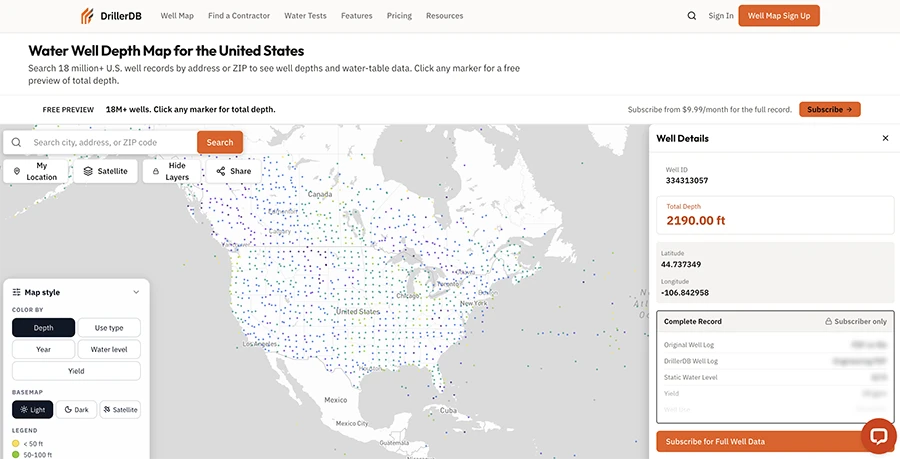
A screenshot at how DrillerDBs map looks on the company's website.
Image: DrillerDB
“We’ve got some pretty big plans for the future on how to utilize this data set,” Vander Galien said. “Soon, [we’ll be releasing]our geology estimator tool for the geothermal estimator, which [is aimed at] getting an idea of the conductivity of the earth below any location."
The idea with all of this? Being in the business his entire life, Vander Galien knows that time is money. He hopes his firm can help drillers work smarter and more efficiently.
“If you think about it, drilling test holes can cost $20,000-$30,000. This tool is designed to help firms make conscientious decisions before they have to shell out any money. If you can get a really good idea of if this is going to work before committing resources, time and money to it, I think it has the propensity to be a huge game changer.”
Looking for a reprint of this article?
From high-res PDFs to custom plaques, order your copy today!