Coal Is Back (Again)
Here’s Why That Matters - and Why It’s Complicated
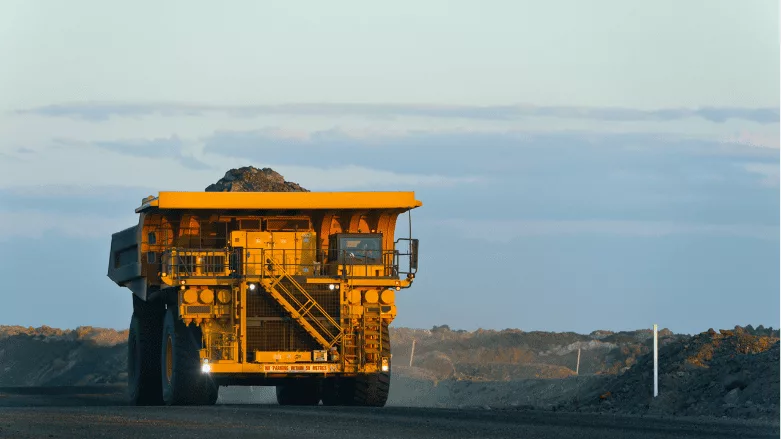
Image via CUHRIG from Getty Images Signature
The U.S. Department of Energy wants you to know one thing loud and clear: coal is not going quietly into the energy-transition night.
In a fact sheet released recently, the agency framed the Trump administration’s latest moves as nothing less than “ending the war on beautiful, clean coal.” The message is familiar but sharpened this time around. Coal, according to the administration, isn’t just a legacy fuel. It’s a reliability tool, a national security asset, and a necessary backstop for a grid under pressure.
Supporters say the administration is simply acknowledging physical reality. Critics say it’s doubling down on yesterday’s solutions while tomorrow’s problems pile up.
What is the Case for Coal’s Comeback?
Under Donald Trump, DOE has reestablished the National Coal Council, an advisory body made up of industry, academic, state, tribal, and NGO representatives. The council held its first meeting this month, with leadership drawn directly from major coal producers.
The administration argues coal still plays a critical role in keeping the lights on, especially as electricity demand spikes from data centers, manufacturing reshoring, and electrification. A DOE grid reliability report released last summer warned that planned power plant retirements could dramatically increase outage risk by 2030, particularly because most new generation coming online is intermittent.
According to DOE, while more than 200 gigawatts of new generation are planned, only a small fraction will be firm, dispatchable power available around the clock. Coal plants, by contrast, already exist, already connect to the grid, and already provide that reliability.
That logic has driven a series of emergency orders preventing coal plant closures across Indiana, Colorado, Washington, and the Midwest. In total, the administration says more than 17 gigawatts of coal-fired capacity were saved in 2025 alone.
From DOE’s perspective, this isn’t nostalgia. It’s triage.
The department has also leaned into the idea that coal’s future doesn’t have to look like its past. Investments in coal-to-products, coal ash mineral recovery, and coal-powered industrial applications like fertilizer and steel production are pitched as modernization, not preservation. DOE-backed technologies aim to turn coal byproducts into materials used in manufacturing and defense, reframing waste as value.
The Pushback: Reliability at What Cost?
Critics don’t dispute that the grid is under strain. They dispute the conclusion that coal is the only, or best, answer.
Environmental groups, geologists, and many grid analysts argue that emergency orders keeping aging coal plants online delay necessary upgrades and saddle ratepayers with higher long-term costs. Older coal units often require expensive maintenance, and extending their life can crowd out investment in newer technologies that also provide firm power, such as advanced nuclear, long-duration energy storage, or geothermal.
There’s also the emissions question, which the DOE fact sheet largely sidesteps. Even with cleaner technologies and better controls, coal remains one of the most carbon-intensive ways to generate electricity. For critics, reviving coal sends mixed signals at a time when utilities and states are trying to meet climate targets and attract clean-energy investment.
Some also question whether emergency orders should be doing the heavy lifting of energy policy. Grid operators typically plan years ahead. Relying on last-minute federal intervention, opponents say, points to deeper planning failures rather than a coal shortage.
A Grid Caught in the Middle
What both sides quietly agree on is this: the grid is changing faster than the system designed to manage it.
Load growth is real. Plant retirements are real. And the pace of infrastructure buildout, especially transmission, continues to lag behind demand. Coal plants are becoming a pressure valve in that system, not because they are perfect, but because they are there.
For coal communities and workers, the administration’s approach offers stability and time. For clean-energy advocates, it feels like a pause button when the fast-forward key is needed.
Whether this strategy proves to be a bridge or a detour will depend on what comes next. If coal extensions are paired with serious investment in firm, low-carbon replacements, they may buy the grid breathing room. If not, the same reliability debate is likely to resurface (only louder) later this decade.
For now, coal isn’t gone. It’s been handed a stay of execution. And once again, it’s sitting at the center of America’s energy argument.
While coal dominates today’s emergency orders, geothermal is increasingly showing up in long-term grid planning discussions as a rare clean energy source that behaves like traditional baseload power.
Unlike wind and solar, geothermal runs 24/7. New enhanced geothermal systems (EGS) and closed-loop designs are expanding viable resource areas far beyond the western U.S.
Utilities and federal planners are now looking at geothermal as a reliability solution that doesn’t carry coal’s emissions baggage, offering steady output with a much smaller land footprint and long operating lifespans.
In many ways, coal is buying time. Geothermal is one of the technologies being positioned to use it.
Looking for a reprint of this article?
From high-res PDFs to custom plaques, order your copy today!

John Oldani is an editor, journalist, and reporter with over a decade of experience producing clear, engaging, and well-researched content. He holds a Bachelor of Arts in Journalism from Oakland University, with a focus on financial reporting, editing, and long-form writing. Over the past year, John has specialized in covering the drilling industry, reporting on key developments, policy shifts, and impactful stories shaping the field.
email: johnnyoldaniwords@gmail.com | office: (248) 838-8535