"Make Gas Cans Great Again?"
EPA Declares War on Annoying Spouts — and Everyone Has Feelings About It
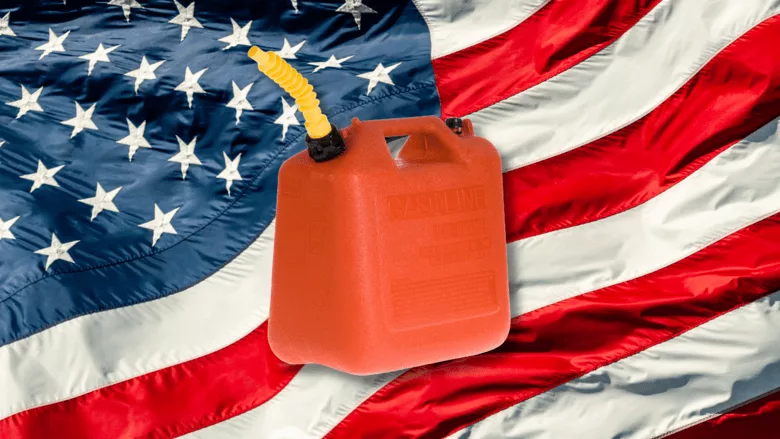
Image via Canva Pro
In a surprising turn of federal focus, the U.S. Environmental Protection Agency has announced a plan to do what no bureaucracy has dared in nearly two decades: fix the gas can.
Yes, the humble red jug that once poured freely before being "improved" by layers of child-proofing, emissions rules, and design features seemingly developed by a sadistic puzzle master, may finally be on the road to redemption.
"The confusion surrounding gas cans has been a frustration for years. We are proud to address this issue head on," said EPA Administrator Lee Zeldin in a press release that reads like both a consumer complaint form and a freedom rally. “Moving forward, Americans should have gas cans that are compliant, but most importantly, that are effective and consumer friendly.”
The EPA has now issued letters to portable fuel container (PFC) manufacturers, encouraging them—read: gently nudging them with bureaucratic elbow jabs—to add self-closing vents to new gas can designs. The goal: better flow, less glug-glug, and far fewer muttered expletives from anyone trying to refill a lawnmower.
A Brief History of the Gas Can That Couldn’t
Once upon a time, gas cans poured like champions. Then came 2007, when the EPA finalized a rule to reduce evaporative emissions, requiring gas cans to be sealed tighter than a drum. Vents were technically allowed—if they closed automatically—but confusion spread faster than gasoline fumes, and most manufacturers simply eliminated vents altogether.
Then, in 2008, Congress passed the Children’s Gasoline Burn Prevention Act, mandating child-resistant spouts. Great for kids’ safety (truly!), but not so great for adults trying to operate nozzles that require a two-handed twist-push-squeeze-twist-again maneuver akin to opening a Rubik’s Cube filled with petrol.
As if that wasn’t enough, the Portable Fuel Container Safety Act of 2020 entered the ring, requiring flame mitigation devices to prevent flashback ignition. Safety first, usability… somewhere after that.
The new EPA effort aims to walk the line between regulatory sanity and everyday convenience. The agency’s goal, Zeldin said, is to "clear the way for manufacturers and consumers to be able to produce and use gas cans that are safe, compliant, and consumer friendly."
Which sounds great, unless you're one of the millions of Americans whose garage shelves are already lined with awkward, sputtering, plastic relics of failed fuel delivery.
The conservative crowd is heralding this as yet another bold step in the Trump administration’s “Powering the Great American Comeback” initiative. The idea being: a free-flowing gas can is the ultimate symbol of restored liberty and the unchaining of American ingenuity from the shackles of federal micromanagement.
Meanwhile, critics say: Really? This is the big win? As environmental protections face rollbacks and climate science funding dries up, some wonder if this is simply a flashy (and flammable) distraction.
Still, there’s no denying the bipartisan appeal of not spilling gasoline all over your shoes while refueling a weedwhacker.
The EPA isn’t mandating new vents—but they’re making it clear the rules never prohibited them in the first place. They’re essentially telling manufacturers: Guys, it's okay. Put the vents back. We promise not to fine you.
Manufacturers now have the green light (and federal blessing) to design gas cans that vent properly, pour smoothly, and maybe—just maybe—don’t cause an existential crisis every time someone tries to start a chainsaw.
It’s a small step for regulatory clarification. A giant leap for backyard mechanics and weekend warriors everywhere.
So yes, Make Gas Cans Great Again may have started as a punchline. But for millions of Americans tired of fighting their fuel containers, it might actually feel like a “win”.
No, this story isn’t satire - here’s the EPA press release.
Looking for a reprint of this article?
From high-res PDFs to custom plaques, order your copy today!

John Oldani is an editor, journalist, and reporter with over a decade of experience producing clear, engaging, and well-researched content. He holds a Bachelor of Arts in Journalism from Oakland University, with a focus on financial reporting, editing, and long-form writing. Over the past year, John has specialized in covering the drilling industry, reporting on key developments, policy shifts, and impactful stories shaping the field.
email: johnnyoldaniwords@gmail.com | office: (248) 838-8535