Could Blackouts Increase 100‑Fold by 2030? DOE Says It’s Possible
The U.S. Department of Energy is sounding the alarm on our electric grid.
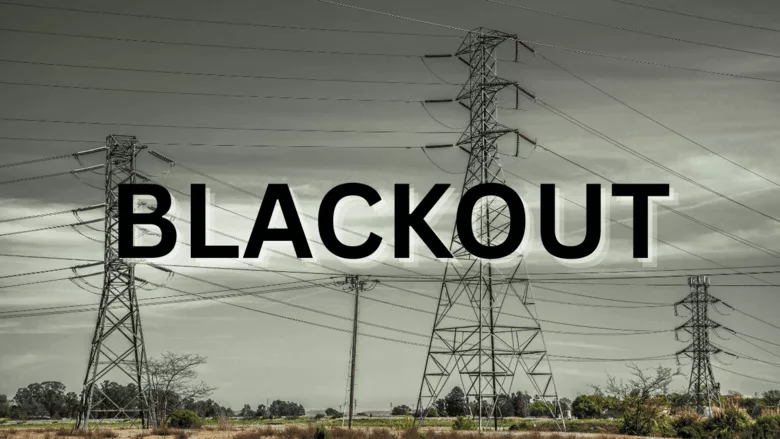
Image via Robert So from Pexels
The U.S. Department of Energy is sounding the alarm: unless we stop shutting down reliable power plants and start building more dependable ones, blackouts could go from rare nuisances to everyday headaches by 2030—potentially increasing 100 times what we experience today.
Their new report, Evaluating U.S. Grid Reliability and Security, follows President Trump’s Executive Order on keeping the electric grid safe and stable. It introduces a method to spot areas most at risk and figure out where the federal government might need to step in.
Here’s the gist: Retiring traditional power sources like coal and natural gas without putting firm replacements in place, just as new demands—especially from AI data centers—are skyrocketing, sets us up for trouble.
Energy Secretary Mark Wright put it plainly:
“The United States cannot afford to continue down the unstable and dangerous path of energy subtraction previous leaders pursued,” he said. “In the coming years, America’s reindustrialization and the AI race will require a significantly larger supply of around‑the‑clock, reliable, and uninterrupted power.”
And he didn’t mince words:
“If we are going to keep the lights on, win the AI race, and keep electricity prices from skyrocketing, the United States must unleash American energy.”
What Stood Out in the Report
More outages ahead? The DOE’s models show that if we let 104 GW of firm generation retire without timely replacement, we could go from a few hours of blackouts per year to more than 800 hours annually—leaving millions in the dark.
Demand surging: Think AI data centers, manufacturing relaunches—this boom is pushing electricity needs faster than our current energy plans can keep up. The DOE calls for “radical change” in how we plan and build the grid.
New build isn’t enough: Even though about 209 GW of new capacity is on track by 2030, just 22 GW of that will be firm baseload. Even if we stopped any plant retirements, some areas would still see a 30‑fold increase in outage risk.
Outdated tools, outdated thinking: Old-school grids were all about peak usage. The report argues we now need smarter models that look at outage frequency, duration, and how grid regions interact when one goes down.
The DOE also lays out where the grid is most vulnerable and how much new capacity each region needs. It even hints at using emergency power authority under Section 202(c) of the Federal Power Act if things get dire.
This is a shift in strategy—from cutting energy sources to actively building more, with the goal of keeping the lights on, wages low, and America competitive in AI and heavy industries.
Could Geothermal Be a Missing Piece?
One energy source getting a fresh look in this conversation is geothermal. Unlike solar and wind, geothermal is a firm, around-the-clock energy source that doesn’t depend on the weather. It taps into Earth’s natural heat to generate power—and with today’s advances in drilling and enhanced geothermal systems (EGS), it’s more scalable than ever.
In fact, a 2023 DOE report predicted that next-generation geothermal could supply more than 120 GW of firm capacity by 2050—enough to cover much of the gap outlined in the new grid reliability study. Even better, geothermal has a small land footprint, zero emissions at point of use, and the potential to repurpose existing fossil infrastructure, like old oil and gas wells.
While it’s not a silver bullet, geothermal could become a major player in what the DOE is calling “energy addition”—bringing more clean, firm power online without sacrificing reliability.
Looking for a reprint of this article?
From high-res PDFs to custom plaques, order your copy today!