DOE Workforce Panel Says Oil, Gas Workers Need to be Trained to Transition to Geothermal
Energy Workforce Advisory Board urges establishing ‘geothermal centers of excellence’
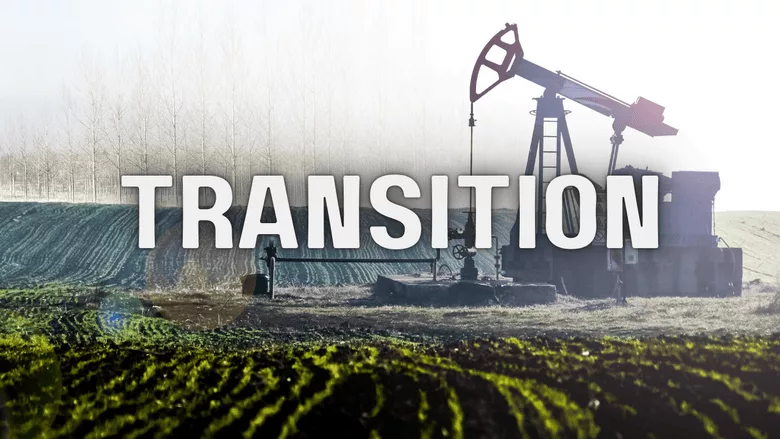
Image via Ivan from Pexels
A federal panel tasked with advising the Department of Energy (DOE) on developing a skilled energy-sector workforce—including for the geothermal sector—has approved its latest report to the DOE that outlines strategies to attract and maintain workers to energy industries.
On July 9, 2025, the 21st Century Energy Workforce Advisory Board (EWAB) unanimously approved submitting a “Special Report: Opportunities for American Workers in Energy” to the DOE, which includes the recommendation DOE “establish geothermal centers of excellence to train oil and gas workers for geothermal jobs.”
The EWAB’s 10-page report has ten sections, each of which lists “strategies to increase affordability and economic prosperity” by creating “employment opportunities for American workers, including drawing discouraged workers into the labor force.” Those sections seek to meet the goal of establishing “a future-ready workforce” outlined in the directive “Delivering Emergency Price Relief for American Families and Defeating the Cost-of-Living Crisis” issued by President Donald Trump on Jan. 20, 2025.
EWAB recommendations cover the workforce needs of not only the geothermal sector but also the oil, natural gas, mining, and nuclear industries citing data that says “More than one-quarter of the workers in the U.S .oil, gas and mining industry are 55 years of age or older.”
EWAB says “Several factors must be prioritized to ensure production strength for the oil, natural gas, and geothermal industries,” and encourages DOE to implement five recommendations. Those recommendations are:
1. Encourage the development of programs that help retain aging workers as mentors and trainers to support this critical juncture of knowledge transfer and to better capture the unwritten knowledge of workers.
2. Evaluate which jobs are most likely subject to artificial intelligence (AI)-induced displacement, and plan workforce resilience/transition accordingly.
3. Establish geothermal centers of excellence to train oil and gas workers for geothermal jobs, replicating existing oil and gas training programs in geographies where geothermal energy plants exist. Establish partnerships between current training providers in the oil and gas industry with technology developers in the geothermal industry.
4. Promote policy-certainty and tech-neutral incentives, and ensure that energy policy does no harm to domestic producers and upstream sectors.
5. Facilitate interstate energy transport and market access to maintain a resilient supply chain.
Furthermore, EWAB’s report has nine other sections; those sections and details of each are:
“Provide Significant Support to Scale Pathways for High-Paying, High-Quality Energy Careers Emphasizing Apprenticeship and Other Earn-and-Learn Models for New and Incumbent Workers”; this section encourages establishing regional state-led energy apprenticeship centers of excellence to prioritize deployment of broadly accepted registered apprenticeship programs in the sector while supporting such actions as:
• Partnering with the Department of Labor to enhance support for registered apprenticeships throughout the energy sector, and seek industries’ commitment to expedite processes for apprenticeships related to new, emerging and prioritized energy technologies.
• Promoting registered apprenticeships that will offer portable credentials, and updating existing programs, especially for new and emerging energy jobs.
• Providing leadership for skills mapping for evolving jobs and worker transition programs.
• Develop strategies to increase the completion rates of apprenticeship programs, especially those that can assist early-stage apprentices and prioritize mentorship programs that significantly impact completion rates.
“Increase Awareness and Excitement About, and Connections to, Energy Careers for Career-Ready Adults and Students and Their Influencers”; this section says a lack of awareness and understanding of energy careers are consistently cited by industry as significant impediments in attracting talent. Without heightened focus to raise the profile of energy careers and pathways to young learners and incumbent workers, none of the strategies recommended herein will be effective.
“Natural Resources Career Cluster in Career and Technical Education (CTE)”; this section by using the opportunity created by the recent adoption of the Energy and Natural Resources Career Cluster initiative can support education programs including:
• Establishing a broad energy curriculum adoption strategy, prioritizing middle-school classrooms and above.
• Incentivizing the industry to develop more certifications and industry-recognized, stackable credentials to make curriculum adoption more appealing to educators and attractive to students and establish standardized competencies and frameworks for training to provide more uniform educational standards.
• Ensuring middle- and high-school educators are secure in knowledge about the energy industry, especially related to high-demand careers, to comfortably incorporate relevant curriculum in their classrooms such as paid externships and enrichment programs.
• Encouraging creation of energy-focused youth apprenticeship programs that will provide participants with technical aptitudes for energy careers.
“Position DOE as the Leader for Innovative, Effective, Non-Siloed Solutions to Support Development of the Workforce for 21st Century Energy Needs Prioritizing Place-Based and Industry Sectoral Strategies”; this section supports state-wide coordination that can initiate immediate action and disrupt outdated and status quo approaches to workforce development, including:
• Addressing the energy workforce by having a standard workforce section in all notices of funding opportunities.
• Establishing a plan for workforce training and talent development needs for increasing power generation capacity in areas where supply chain challenges threaten electrical grid reliability, energy cost, and security.
• Prioritizing permitting, and equipment needs across industries that are expected to expand quickly and recruit and train workers to meet the needs to produce diversified energy products.
• Have the DOE to serve as an energy workforce data hub, offering five-year forecasts on the energy workforce, identifying expected regional hiring demands, and identifying skill sets and competencies required for critical jobs to support efficient workforce planning.
• Supporting income-based tuition scholarships for high-wage, high-need occupations.
“Recommendations for Unique Workforce Development Needs by Specific Energy Industries”; this section says workforce development needs in various industries within the sectors may appear duplicative to general sector recommendations.
“Nuclear Energy Workforce Recommendations” ; this section has as its goal to “unleash commercial nuclear power in the United States” ; this section says by providing clarity on policy support and new reactor deployment timelines to address talent pipeline development needs, including:
• Completing the “advanced reactor demonstration program” in support of the claim that demonstration reactors are essential to catalyzing targeted workforce development.
• Exploring a DOE supported traveling nuclear talent pool to address needs for critical knowledge positions required for short term assignments.
• Expediting training programs in high-demand fields, including instrumentation and control and reactor operations that can accelerate entry into the workforce. Increasing financial support through scholarships, tuition reimbursement, and nuclear-specific funding is critical
• Prioritizing revitalization of the “nuclear uniform curriculum program” that has experienced falling enrollments, resulting in suspension of programs vital to the nuclear workforce pipeline.
“Power Generation and Distribution, Grid Resiliency and Security, and Critical Supply Chain Workforce Recommendations”; this section says, “modernizing the electrical grid is a necessity driven by escalating power demands from increased electrification needs, including data storage, heating, and transportation as well as the growing reliance on digital technologies. Therefore, EWAB recommends:
• Request funds under the National Defense Production Act be used to accelerate the manufacture of products that are currently compromising delivery of safe, cost-effective, reliable energy, including transformers and electric steel.
• Invest in programs to train and recruit workers to meet the increasing demand on grid systems with the anticipated expansion of AI infrastructure.
• Strengthen regional coordination for “sharing workers” during mutual assistance requirements as catastrophic events are increasing.
• Utilize research within the DOE, including from the Office of Electricity, which addresses grid vulnerabilities and modernization requirements and identifies related talent needs to ensure proactive workforce strategies.
• Invest in research to understand how to use AI effectively to make better informed choices about grid control and management of distributed energy resources and identify associated workforce competencies.
“Critical Mineral and Materials”: this section says data collected by the Society for Mining, Metallurgy & Exploration reports that “More than half the current workforce (221,000 workers) will be retired and replaced” by 2029. In addition, the demand for workers is surging across the critical minerals supply chain, but interest in mining careers is low. Therefore, EWAB recommends that support the workforce development needs of the critical minerals and materials (CMM) sector and derivative products area, including:
• Expand upon DOE investments in regional CMM initiatives to develop regional workforce ecosystems that will move from company-specific hiring to broader industry-wide approaches for workforce management and retention across all aspects of the CMM supply chain.
• Support industry in identifying solutions for project lifecycle coordination, so there is better management of workforce development and project phase needs.
• Enhance nation-wide research and innovation capacity by supporting the DOE national laboratories, academic research institutions, and their coordination with private entities to build upon DOE programs like the critical materials innovation hub and minerals to materials supply chain research facility.
• Provide resources to colleges and universities to reinvigorate U.S. leadership in rare earth elements (REE) and CMM technologies by providing funding for research and student training, as well as funding for career awareness outreach to draw attention to mining careers and change widespread misconceptions of opportunities in the industry.
• Work with Congress to enhance DOE’s ability to stack grants and loans with other federal support to better enable capital formation for projects and improve project viability across the REE and CMM supply chain; reduce administrative burdens and accelerating funding processes; link long-term national strategies and international standards to avoid piecemeal efforts and to ensure international market access.
Looking for a reprint of this article?
From high-res PDFs to custom plaques, order your copy today!