Critics Question DOE’s $100 Million Push to Upgrade Coal Plants
The funding announcement follows a larger policy shift emphasizing traditional energy development and grid reliability.
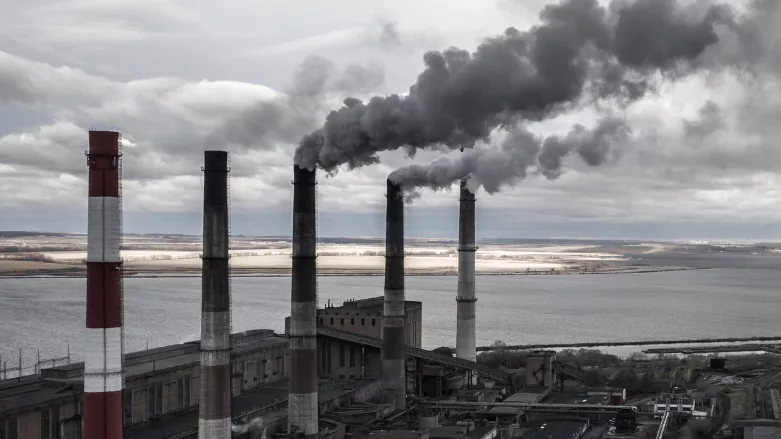
Image via Aleksey Zhilin from Getty Images
The U.S. Department of Energy’s (DOE) newly announced $100 million initiative to modernize coal-fired power plants is facing scrutiny from environmental groups and clean energy advocates who argue the move undermines efforts to transition away from fossil fuels.
The funding, released through a Notice of Funding Opportunity (NOFO), supports projects that aim to improve efficiency, extend plant life, and introduce fuel flexibility at existing coal facilities. While the DOE frames the program as a way to ensure energy reliability and reduce operational costs, critics view it as a step backwards in the context of climate change and market trends favoring cleaner energy sources.
Organizations focused on environmental policy and clean energy transition have expressed concerns that continued investment in coal infrastructure may delay progress toward renewable energy goals. Even with improved efficiency, coal remains one of the most carbon-intensive sources of electricity, and some argue that retrofits and co-firing technologies only prolong dependence on fossil fuels rather than replace them.
The funding announcement follows a larger policy shift emphasizing traditional energy development and grid reliability. The DOE’s September pledge to invest $625 million into coal infrastructure, combined with this latest announcement, has reignited debate over whether federal resources should prioritize maintaining aging fossil fuel facilities or accelerating clean energy development.
Recent energy reports show renewable energy—particularly wind and solar—has become more cost-competitive than coal in many parts of the country. Critics of the DOE initiative argue that public investment would be better directed toward expanding grid capacity for renewables, developing energy storage technologies, and improving energy efficiency.
The projects selected through this program will be managed by the National Energy Technology Laboratory under DOE’s Office of Fossil Energy.
Looking for a reprint of this article?
From high-res PDFs to custom plaques, order your copy today!